




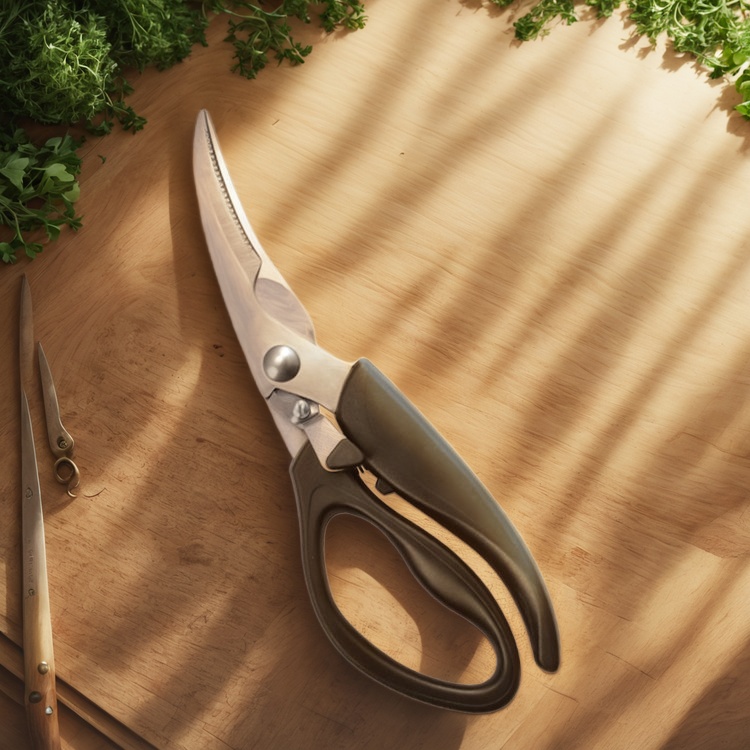
OEM Poultry Shears: Precision in Kitchen Cutting
OEM poultry shears are practical kitchen cutting tools designed for tasks that ordinary scissors often cannot handle, such as portioning chicken, duck, or turkey. For importers, distributors, private-label brands, and kitchenware buyers, the goal is not simply to find a low unit cost. A stronger sourcing decision comes from understanding blade performance, handle comfort, factory communication, packaging options, and quality control expectations before production begins.
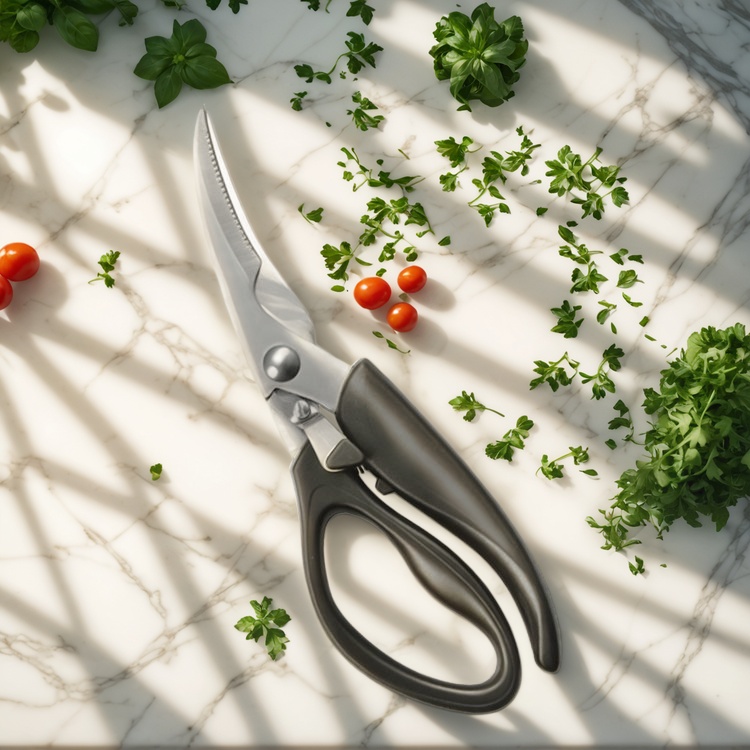
The original article notes that these poultry shears use precision-cut stainless steel blades and may include additional functions such as nut cracking and bottle opening. Those features can be useful, but B2B buyers should still verify the details directly with a supplier because material grade, finish, packaging, testing, and commercial terms can vary by order and specification.
Key Takeaways
- OEM poultry shears should be evaluated by cutting performance, comfort, cleaning convenience, and consistency across production batches.
- Buyers should ask the kitchen scissors factory to confirm blade material, handle material, finishing process, packaging, labeling, and inspection standards in writing.
- Multi-function features such as nut cracking or bottle opening may add value, but they should not compromise the main poultry-cutting function.
- Before placing a wholesale order, request samples and compare them against your intended market, retail price point, and customer use case.
Why Poultry Shears Matter in a Kitchenware Range
Poultry shears occupy a clear product niche. They help users cut through joints, trim fat, separate wings, spatchcock poultry, and prepare meat for cooking. In retail or food-service channels, they can be positioned as a practical preparation tool rather than a decorative accessory. For a wholesale buyer, that makes product reliability especially important: if the shears feel weak, slip in the hand, or lose sharpness quickly, customer confidence drops.
Compared with general kitchen scissors, poultry shears typically need stronger blade geometry and a more secure handle structure. Buyers should avoid judging the product only by appearance. The shears must feel stable when pressure is applied, and the blade alignment should remain consistent during repeated opening and closing. If the design includes extra functions, such as a nut cracker or bottle opener, those should be reviewed as secondary benefits rather than the main purchase reason.
What to Check in the Blade and Cutting Design
The source article explicitly mentions stainless steel blades and clean cutting through chicken, duck, or turkey. When sourcing, buyers should ask the poultry shears manufacturer to identify the exact steel grade, heat treatment process if applicable, blade thickness, surface finish, and sharpening method. Do not assume a specific grade unless the supplier provides documentation.
Important blade questions include whether the shears are designed for left-hand, right-hand, or universal use; whether the blades are detachable for cleaning; how the pivot is assembled; and how the cutting edge is protected during shipping. For food-contact kitchen tools, buyers may also need to ask what compliance documentation is available for the destination market. The supplier should be able to explain what they can provide without vague claims.
Handle Comfort, Safety, and Daily Use
A poultry shear is used with pressure, often when hands are wet or greasy. Handle comfort is therefore a core product-selection factor. Buyers should check the grip shape, opening width, spring action if present, locking mechanism if present, and whether the handle edges feel smooth. A tool that performs well in one quick demonstration may still cause fatigue during repeated use.
Ask for samples from current or similar production, not only display samples. Test the shears on realistic kitchen tasks, including cutting poultry joints, trimming skin, and cleaning after use. If your market includes home cooks, the product should be intuitive and easy to store. If your market includes professional kitchens or food preparation businesses, consistency and durability under frequent use become more important.
Comparison Checklist for OEM Poultry Shears Suppliers
| Evaluation Area | What to Ask the Supplier | Why It Matters |
|---|---|---|
| Blade material | What stainless steel grade and finish are used? | Supports informed decisions about durability, corrosion resistance, and positioning. |
| Cutting performance | Can samples be tested on poultry joints and repeated cuts? | Confirms the shears perform beyond appearance and catalog photos. |
| Handle design | What handle material, grip shape, and lock options are available? | Affects comfort, safety, and user satisfaction. |
| OEM options | Can logos, colors, packaging, or inserts be customized? | Helps private-label buyers match retail or distributor requirements. |
| Quality control | What inspections are performed before shipment? | Reduces the risk of inconsistent blade alignment, finish defects, or packaging errors. |
| Documentation | What compliance or material documents can be provided for the target market? | Helps buyers plan import, retail, or platform requirements responsibly. |
OEM Customization Questions to Settle Early
OEM poultry shears projects often involve more than the tool itself. Buyers may need a logo on the blade or handle, customized packaging, barcode labels, instruction inserts, or carton marks. These details should be discussed before sampling, because they influence cost, lead time, artwork requirements, and inspection criteria.
- Confirm whether the supplier can produce your desired logo method and placement.
- Ask what packaging formats are available, such as a color box, blister card, or other retail-ready options.
- Request dielines or artwork specifications before designing packaging.
- Clarify whether the sample will match the final production materials and finish.
- Define acceptable tolerances for color, logo position, blade finish, and packing count.
Commercial details such as minimum order quantity, price tiers, mold charges, sample fees, and lead times should be requested from the supplier directly. These items should not be assumed from a general product description.
Quality Control Before Wholesale Shipment
For wholesale poultry scissors, quality control should focus on function and consistency. A practical inspection plan may include visual checks, blade alignment checks, opening and closing tests, lock function checks, packaging checks, and a limited cutting test from randomly selected units. If the product includes a nut cracker or bottle opener, those functions should also be reviewed according to the agreed design.
Buyers should define defects clearly. Examples may include loose pivots, uneven blade gaps, sharp burrs on handles, stains, damaged packaging, incorrect labels, or inconsistent logo printing. A written approved sample is useful because it gives both buyer and factory a reference point if questions arise during production or inspection.
How to Choose the Right Poultry Shears Manufacturer
A reliable kitchen scissors factory should communicate clearly, answer technical questions, and be transparent about what can and cannot be customized. Strong sourcing decisions often come from comparing several suppliers with the same brief. Send each supplier identical requirements, including target market, intended use, packaging needs, expected order volume, and any documentation needs.
When reviewing replies, look for complete answers rather than only quick pricing. A supplier that asks clarifying questions may be easier to work with than one that simply says every request is possible. For OEM projects, the most useful partner is often the one that helps identify risks early, such as packaging limitations, artwork issues, or material availability.
Practical FAQ
What makes OEM poultry shears different from regular kitchen scissors?
OEM poultry shears are selected or customized for cutting poultry and related kitchen preparation tasks. They usually require stronger cutting performance and a more secure grip than general-purpose scissors.
Should buyers choose multi-function poultry shears?
Multi-function features such as nut cracking and bottle opening can be useful if they are well integrated. However, buyers should prioritize the primary cutting function first and test secondary features separately.
What should I ask before ordering from a kitchen scissors factory?
Ask about blade material, handle material, customization options, packaging choices, inspection process, documentation availability, sample timing, MOQ, lead time, and payment terms. Request written confirmation for all critical details.
Can I assume the shears are corrosion-resistant because they use stainless steel?
No. Stainless steel can vary by grade, finish, and production process. Ask the supplier to specify the material and provide any available supporting information for your target market.
How should samples be evaluated?
Test cutting performance, comfort, blade alignment, cleaning convenience, lock function, packaging quality, and logo appearance if customized. Compare samples under realistic use rather than judging only by catalog images.
Final Sourcing Advice
OEM poultry shears can be a strong addition to a kitchenware line when the product brief is specific and the supplier evaluation is practical. Start with the user’s real cutting tasks, then confirm blade details, handle comfort, packaging, customization, and inspection standards. By asking the right questions before production, buyers can reduce avoidable sourcing risk and select poultry shears that fit their channel, brand position, and customer expectations.
