








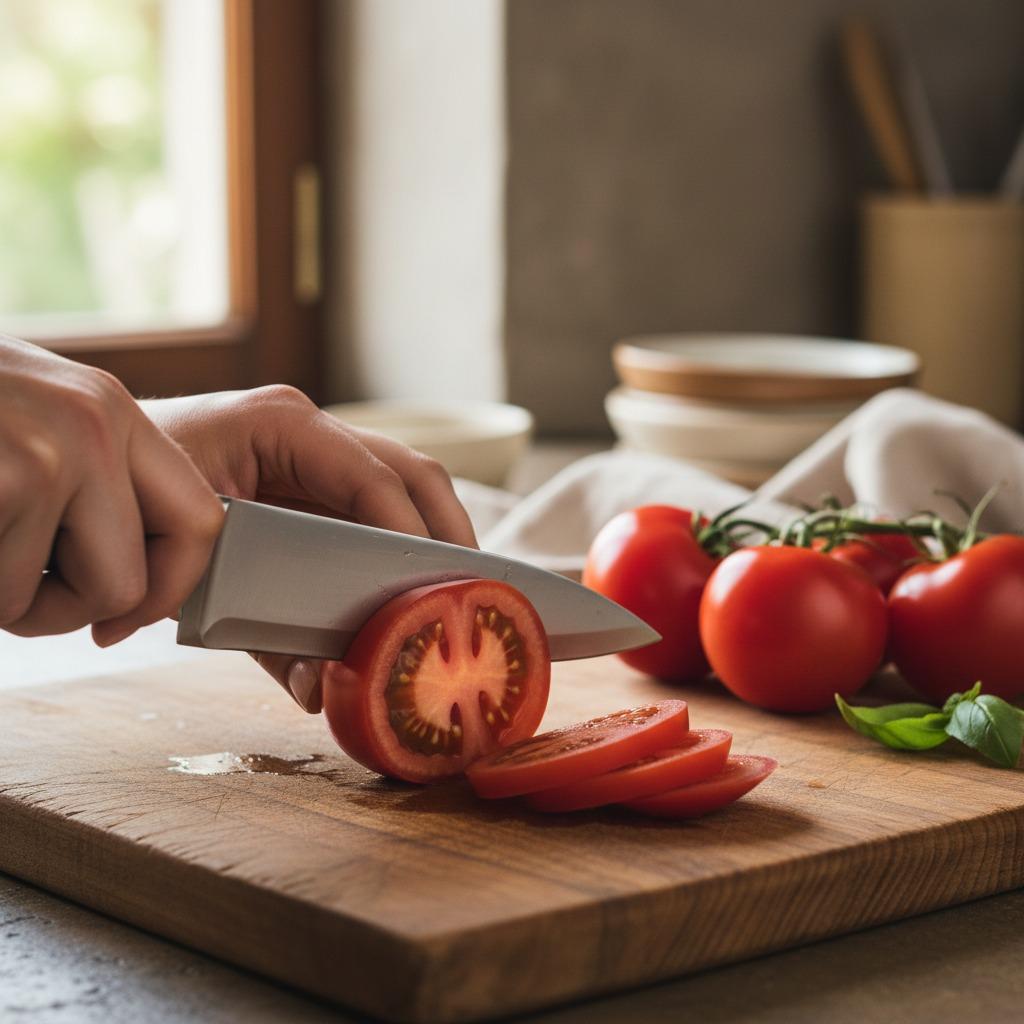
Why a Dull Knife is More Dangerous Than a Sharp One
We’ve all heard the saying: “A sharp knife is safer than a dull one.”
At first glance, it sounds completely counterintuitive. A razor-sharp blade seems like it would slice your finger off without a second thought, while a dull knife feels “safer” because it’s harder to cut with.
The reality is the opposite — and the physics + real-world experience prove it.
Let me explain why that old kitchen knife you’ve been meaning to sharpen for two years is actually one of the most dangerous tools in your kitchen.
1. Physics 101: Pressure = Force / Area
A sharp knife has an extremely thin edge — sometimes just a few molecules wide at the very tip.

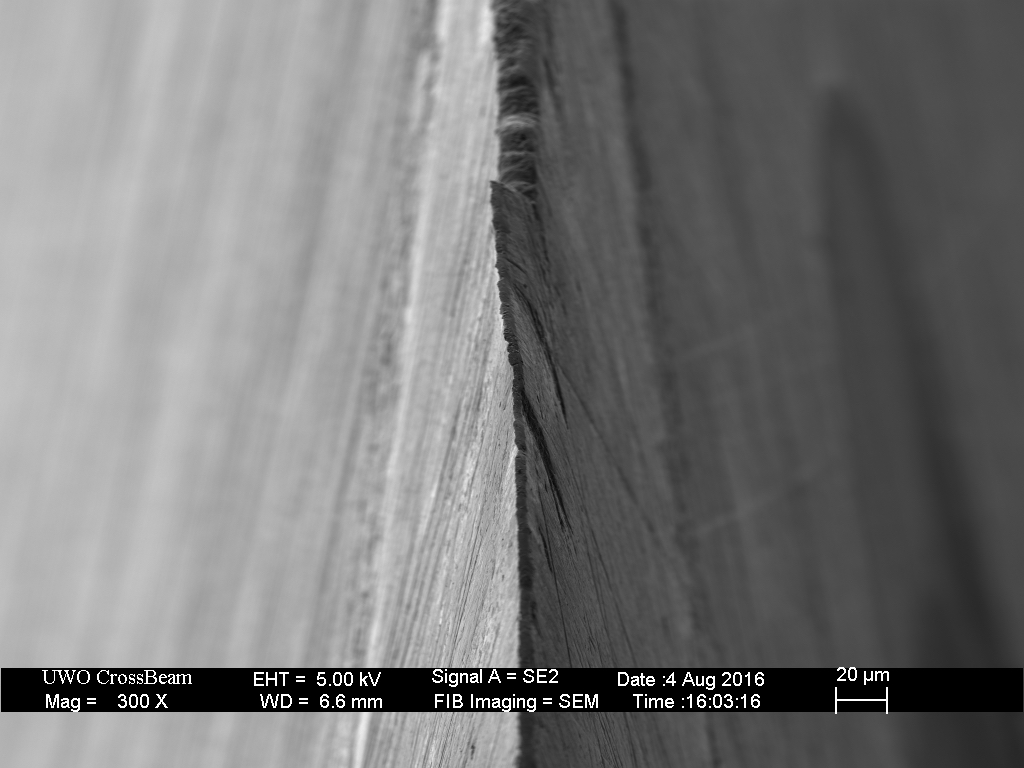
When you apply the same amount of force, that tiny contact area creates extremely high pressure. The blade glides through food like butter with almost no effort.
A dull knife? The edge is rounded, rolled, or chipped — meaning much larger contact area.
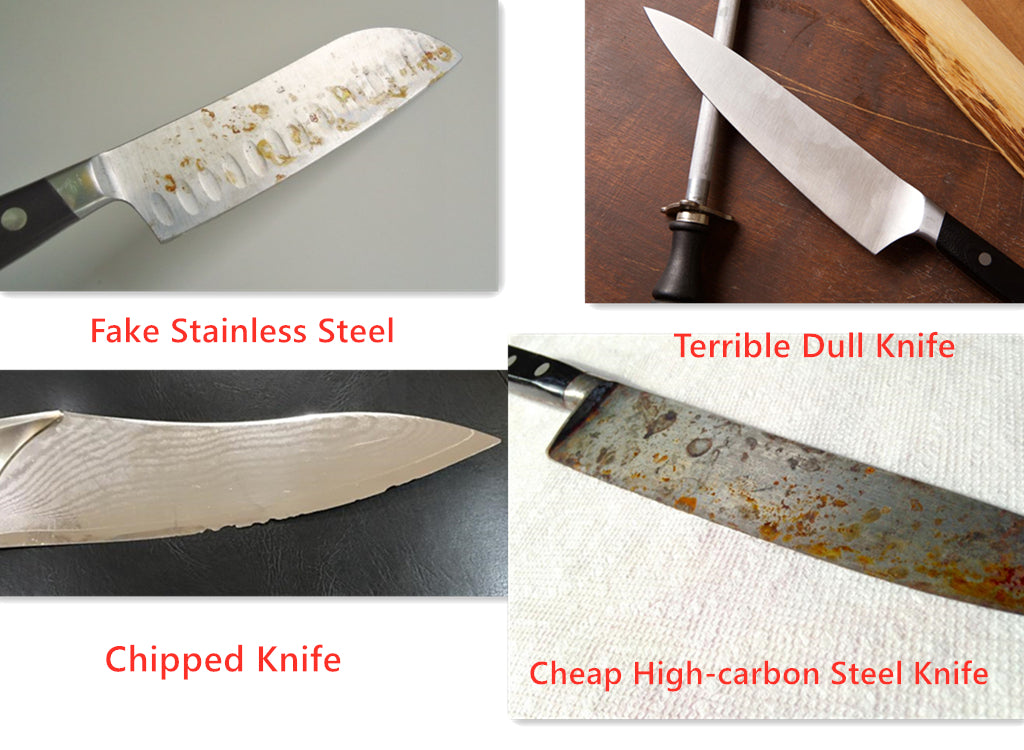
Same force → spread over bigger area → much lower pressure → you have to push much harder to make any cut at all.
And that extra force is exactly where the danger hides.
2. The Slip-and-Slide Disaster
Picture this classic kitchen moment: you're trying to slice a tomato.
With a sharp knife, the edge “bites” immediately. Light pressure → clean slice → full control.


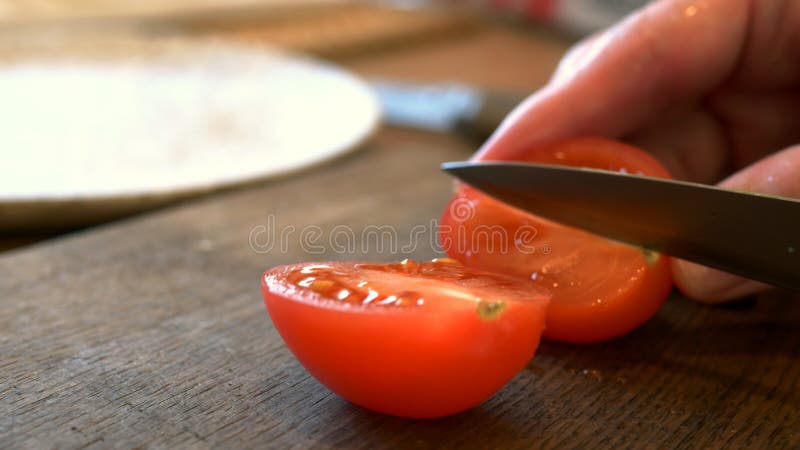
With a dull knife, the blade just slides across the smooth, taut tomato skin. You push harder… and harder… until suddenly the knife breaks through with all that stored-up force.
And because you were pushing so aggressively, the blade has much more momentum when it finally slips — often straight into your finger or thumb.


That’s why dull-knife injuries are often deeper, more jagged, and more traumatic — the blade doesn’t just nick you; it tears through tissue with extra power behind it.
3. More Force = Less Control
Every extra pound of pressure you apply reduces your fine motor control. Your hand shakes more, your angle becomes unstable, and small mistakes get amplified.
Professional chefs and butchers almost unanimously say the same thing:
Most serious kitchen cuts reported in ERs actually come from dull knives, not ultra-sharp ones.
Quick Comparison Table
| Aspect | Sharp Knife | Dull Knife |
|---|---|---|
| Force needed | Low | High |
| Control | Excellent | Poor |
| Likelihood of slip | Low | High |
| Injury if slip occurs | Clean, shallower cut | Deep, jagged, traumatic tear |
| Cutting efficiency | Fast & precise | Slow & frustrating |
The Bottom Line
A sharp knife respects your control. A dull knife fights you — and usually wins.
Next time you feel resistance while cutting an onion, carrot, or tomato… don’t push harder.
Sharpen the knife instead.
Your fingers will thank you.
Have you ever had a bad cut from a dull knife? Or do you keep your blades scary-sharp? Drop a comment below — I’d love to hear your stories (and war wounds)!
Stay sharp, stay safe. 🔪
