





2026 Yangjiang Chinese New Year: Folk Parade, Knife Culture and BONET Greetings
Yangjiang welcomed the 2026 Year of the Horse with the lively atmosphere that makes smaller Chinese cities especially attractive during Spring Festival. The city is widely associated with knives and scissors, and during the holiday its streets, markets and family kitchens reflected both cultural pride and everyday usefulness. For international houseware buyers, Yangjiang’s New Year celebrations are more than a festive scene: they offer context for understanding the local industry, product traditions and the people behind kitchen tools used in homes and food businesses around the world.
Key Takeaways
- Yangjiang’s 2026 Spring Festival included a folk customs parade, historic street activities and many cultural and sports events.
- The city’s reputation as a knife and scissor center gives its celebrations special relevance for houseware sourcing teams.
- Buyers should separate festive branding from verifiable supplier capability, product specifications and compliance documentation.
- When sourcing kitchen shears, knives or household tools, ask clear questions about materials, packaging, quality control and export experience.
Yangjiang’s Spring Festival Atmosphere in 2026
According to the original event summary, Yangjiang held more than 160 cultural and sports activities during the holiday period. Red lanterns, illuminated historic streets and horse-themed decorations created a strong seasonal identity. The Year of the Horse also allowed local organizers and businesses to use phrases about good luck, speed and momentum, which fit naturally with New Year greetings and commercial messages.
For overseas readers, the value of this story is not only the festival itself. Spring Festival is the most important family holiday in China, and it affects production schedules, freight planning and supplier communication. Buyers working with Chinese houseware suppliers should plan around the holiday by confirming order timelines, sample arrangements, inspection dates and post-holiday restart schedules well in advance.
The Folk Customs Parade and Local Heritage
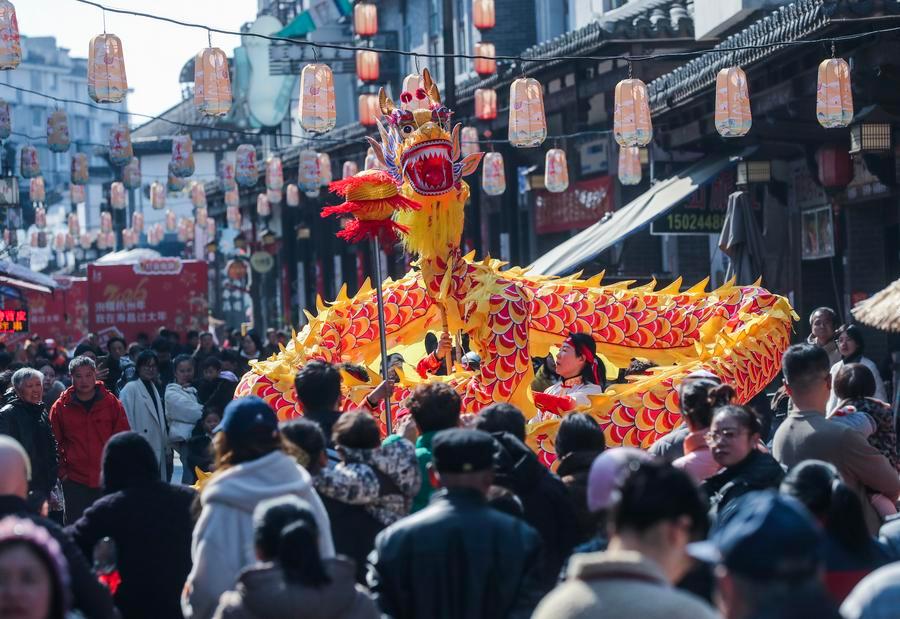
A highlight described in the source article was the “Intangible Heritage Celebrates Spring” folk customs parade on the fifth day of the lunar new year, February 21, 2026. The route started at Yangjiang Xuegong, also known as the Confucius Temple, and continued along Taifu Road and the river embankment. Nearly 300 performers formed ten troupes, presenting dragon and lion dances, a God of Wealth figure, Big-Headed Dog skits, Danjia wedding scenes, Yangjiang Shaolin martial arts, street dance, square dance and ethnic costume performances.
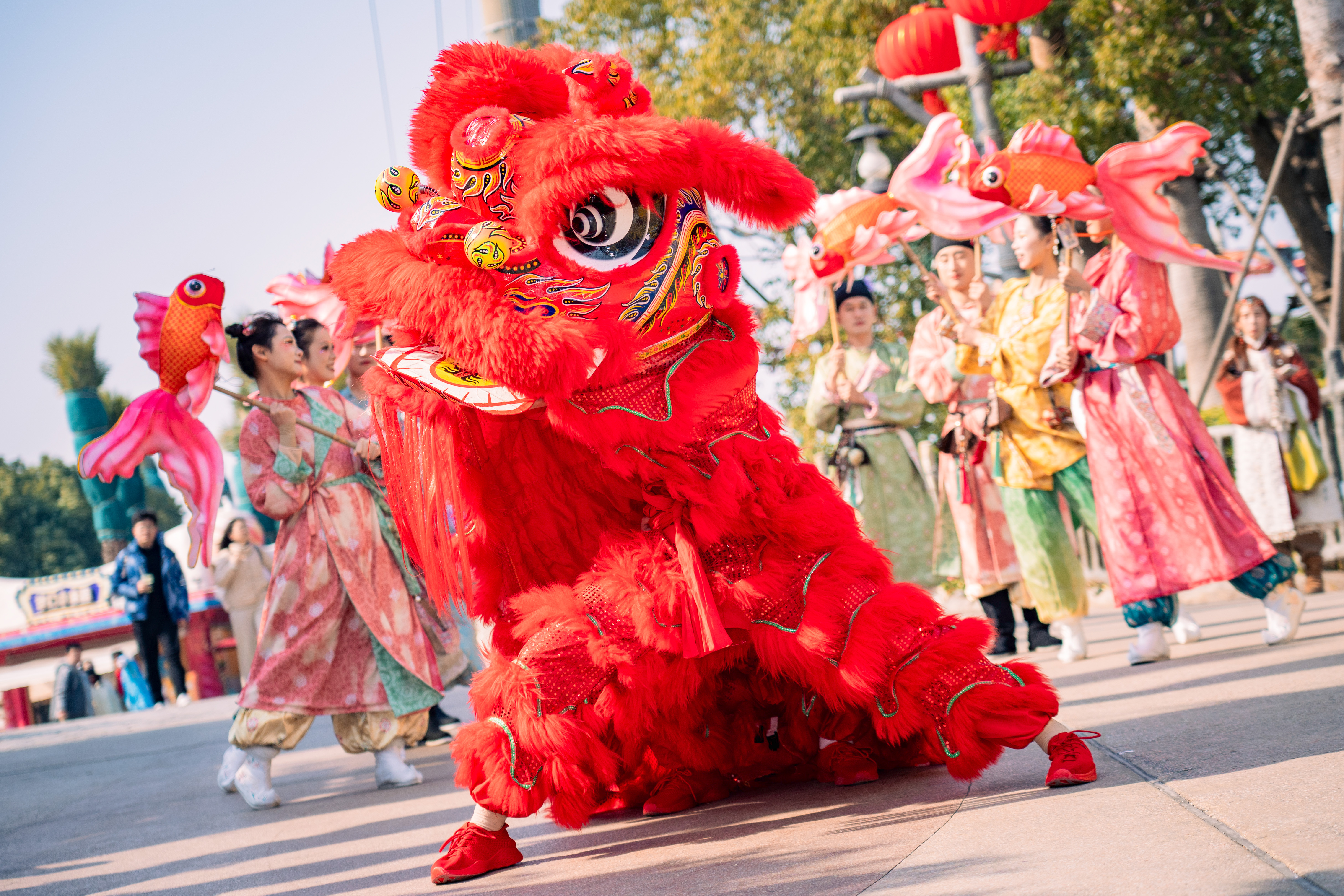
Such events show how local identity is maintained through performance and public participation. They also remind buyers that manufacturing regions are communities, not just points on a supply chain map. Strong local traditions can influence brand storytelling, gift packaging and seasonal product promotions, especially for kitchenware, tableware and household tools used during reunion meals.
Tuocheng Historic Route and Visitor Experience
The article also mentioned the “Good Luck Every Day” experience along a 2.3 km historic route. Reported upgrades included the rebuilt Qingyun Archway, restored blue-brick and gray-tile streets, stone carvings, nighttime lighting, intangible heritage markets, rickshaw parades and interactive experience zones. These details matter because they show how Yangjiang is positioning itself as both a manufacturing city and a cultural destination.
For brands that source from Yangjiang, this background can support more responsible and specific content. Instead of using generic claims about Chinese manufacturing, importers can explain why Yangjiang is known for cutting tools, how local festivals highlight daily household objects, and why kitchen preparation is central to family gatherings. The key is to avoid exaggeration: cultural context should support product education, not replace product evidence.
Why Knives and Scissors Matter During Reunion Meals
Spring Festival meals involve preparation: trimming vegetables for hotpot, cutting packaging, preparing cakes, portioning cooked food and handling gift items. The source article connected these everyday tasks with BONET’s local presence in kitchen shears, knives and household tools. That connection is reasonable, provided the product discussion remains practical and accurate.
For consumers, the main lesson is to choose the right tool for the task and maintain it properly. For business buyers, the lesson is broader: seasonal use cases help define product assortments. Kitchen shears may appeal to households that want quick trimming and package opening; knives may fit more serious food preparation; household scissors may serve multipurpose needs. A good assortment is based on user scenarios, not just appearance.
B2B Sourcing Checklist for Yangjiang Cutting Tools
When a festival story leads to sourcing interest, buyers should move from inspiration to verification. Ask suppliers direct questions and request documents or samples where appropriate. Do not assume material grade, blade hardness, packaging performance, certifications or test results unless the supplier provides evidence.
| Buyer Checkpoint | Questions to Ask a Supplier | Why It Matters |
|---|---|---|
| Product scope | Which knives, kitchen shears or household scissors are available for your market? | Confirms whether the supplier fits your assortment plan. |
| Material and construction | What blade and handle materials are used, and can they be verified? | Prevents unsupported claims in listings and packaging. |
| OEM or branding | Can packaging, logo placement and instructions be customized? | Helps private-label buyers plan launch requirements. |
| Quality control | What inspections are performed before shipment, and what reports can be shared? | Reduces risk of inconsistent sharpness, finish or assembly. |
| Compliance | Which market requirements apply, and what documentation is available? | Supports responsible import and retail review. |
| Holiday schedule | How will Spring Festival affect samples, production and shipping? | Improves timeline planning during a peak closure period. |
How Importers Can Use Festival Content Responsibly
Festival content can be useful for newsletters, retail education and social media, but it should be handled with care. A parade does not prove production capacity. A regional reputation does not prove a product’s material grade. A New Year greeting does not replace a quotation, inspection plan or compliance review.
Good editorial content links culture to practical buying decisions. For example, a distributor could use Yangjiang’s Spring Festival story to introduce a seasonal kitchen-prep range, then provide specific product pages with verified specifications. A retailer could explain how kitchen shears are used for meal preparation and gift opening, then give care instructions and safety notes. This approach is more credible than broad promotional language.
Practical Selection and Care Notes
- Match the tool to the task: use kitchen shears for trimming and package opening, and use knives for cutting that requires a board and stable control.
- Ask whether scissors or shears are designed for food contact, general household use or another specific purpose.
- Clean and dry cutting tools after use, especially after contact with food or moisture.
- Store sharp tools away from children and protect edges during transport or retail display.
- For private-label programs, review instructions, warnings and packaging language before mass production.

BONET’s New Year Message
As a Yangjiang houseware company associated in the source article with kitchen shears, knives and household tools, BONET’s New Year greeting fits naturally within the city’s festive story. The best way to understand that message is simple: good tools support the ordinary work behind family meals, and family meals are at the heart of Spring Festival.
For buyers, the next step is not to rely on greetings alone. Use the holiday period as a reminder to confirm supplier communication, sample quality, packaging details, shipment schedules and after-sales expectations. Warm wishes are welcome; careful sourcing is still essential.
FAQ
Why is Yangjiang often connected with knives and scissors?
Yangjiang is widely known as a Chinese center for knives and scissors. This reputation makes local cultural stories relevant to houseware and kitchen tool buyers.
Can a festival article confirm supplier capability?
No. It can provide cultural background, but buyers should request product samples, specifications, quality-control information and relevant documentation from the supplier.
What should overseas buyers plan around Chinese New Year?
Confirm sample deadlines, production schedules, inspection dates, payment timing and freight arrangements early, because many factories and logistics partners pause operations during the holiday.
How should kitchen shears and knives be selected for retail programs?
Start with the user scenario, then verify materials, construction, packaging, instructions, safety warnings and market requirements before placing a bulk order.
