




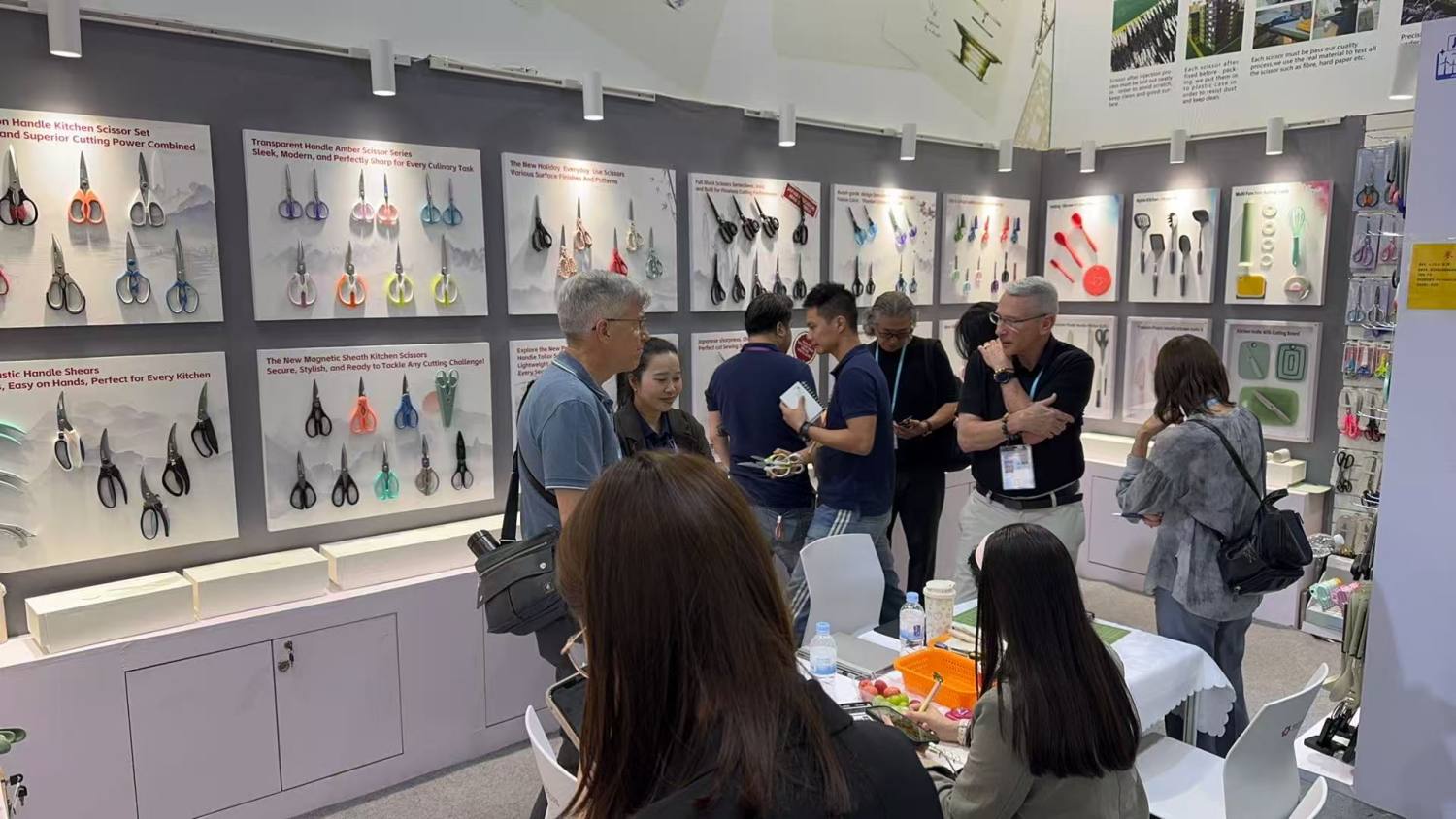
Canton Fair 2025: Exploring BONET's Innovative Houseware
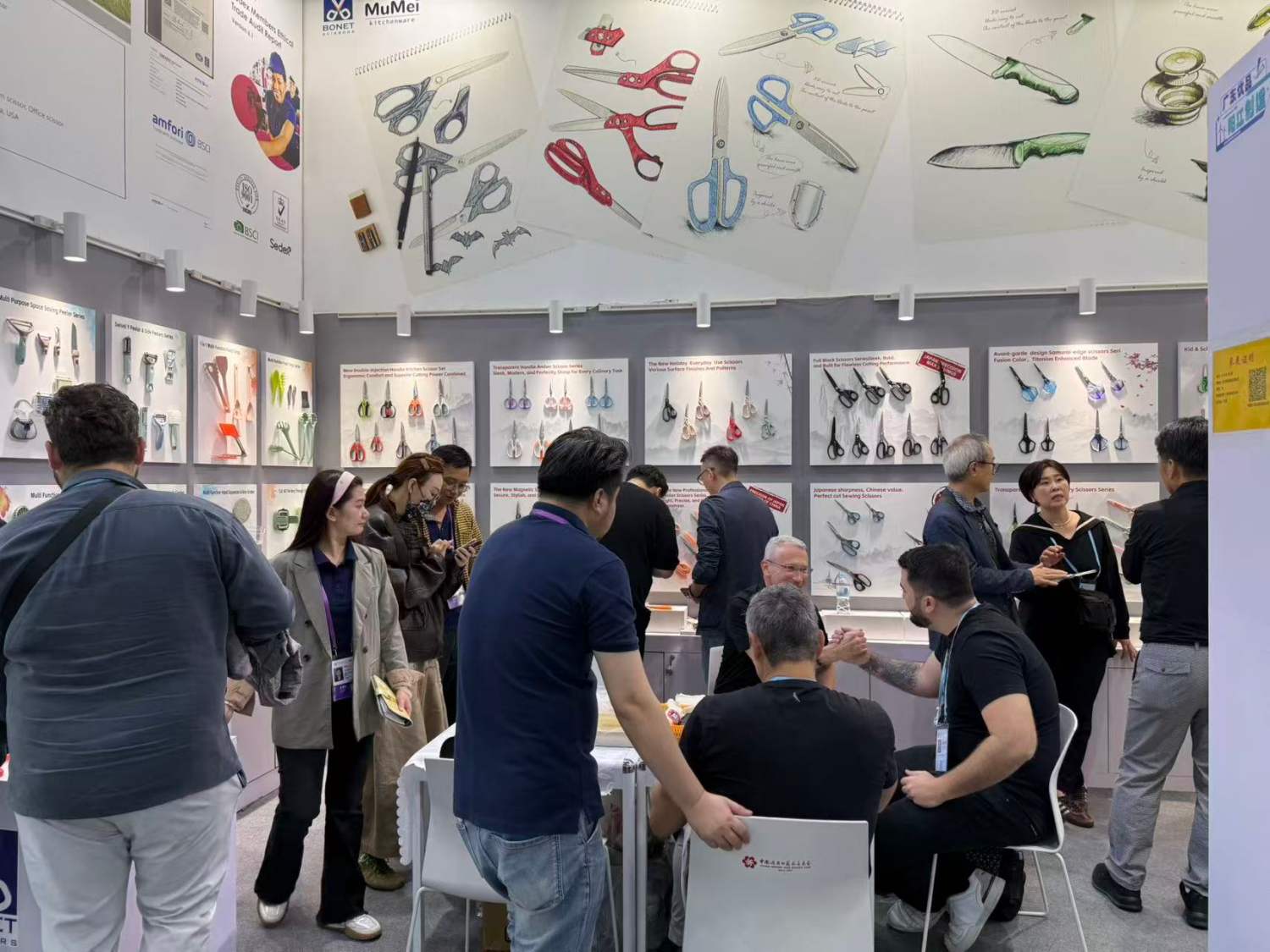
The Canton Fair remains one of the most useful places for global buyers to compare houseware products, meet suppliers face to face and understand how everyday kitchen items are being updated for modern retail and food-preparation needs. At Canton Fair 2025, BONET HOUSEWARE CO., LTD. presented a selection of household essentials that focused on practical kitchen use, including scissors, knife collections, color-coded utensils and space-efficient storage solutions.
For importers, wholesalers, distributors and private-label buyers, the value of a fair visit is not only seeing new products. It is also the chance to ask detailed sourcing questions: How consistent is the finish? What packaging options are available? Which markets are the products intended for? What quality checks are performed before shipment? This article reviews the key product themes shown by BONET and explains how buyers can evaluate similar houseware lines with a more structured sourcing approach.
Key Takeaways
- BONET's Canton Fair 2025 display highlighted kitchen scissors, knife collections, color-coded utensils and compact storage solutions.
- Buyers should verify materials, packaging, quality-control steps and compliance requirements before placing orders.
- Color-coded utensils can support clearer kitchen organization and may help reduce cross-use between food types when used correctly.
- Storage products should be evaluated for space efficiency, stability, cleanability and retail presentation.
- Trade fair interest is useful, but final supplier selection should still be based on samples, documentation and clear purchase terms.
What BONET Showed at Canton Fair 2025
The original fair presentation described BONET's latest collection as a group of household essentials designed for everyday home use. The main categories included kitchen accessories, scissors, knife collections, color-coded utensils and storage organizers. This range reflects a broader houseware trend: buyers are looking for practical products that are easy to understand on the shelf, simple to use and suitable for a variety of kitchen environments.
For B2B buyers, it is helpful to view such a display by category rather than as one general collection. Scissors, knives, utensils and storage items each have different sourcing risks. Cutting tools require close attention to blade performance, handle comfort and safety. Utensils may require checks on heat resistance, surface finish and food-contact suitability. Storage products need evaluation for dimensions, durability and packaging efficiency.
Kitchen Scissors: What Buyers Should Check
Scissors were one of the highlighted kitchen accessories in the BONET presentation. The original article described ergonomic scissors with precision-engineered blades and comfort grip handles. These are useful buying points, but they should be confirmed through sample testing before a buyer commits to a larger order.
When evaluating kitchen scissors, buyers should request production samples, not only display samples. Check whether the blades open smoothly, whether the handle feels secure during repeated use and whether the cutting edge performs consistently on common kitchen materials. If the scissors are intended for poultry, herbs, packaging or general household tasks, that use case should be defined clearly in the product brief.
Important sourcing questions include:
- What blade material and handle material are used?
- Are replacement samples available from the same production batch?
- What packaging formats can be supplied for retail, e-commerce or wholesale cartons?
- What quality checks are performed for sharpness, alignment and handle assembly?
- What labeling or market-specific documentation can the supplier provide?
Knife Collections and Material Verification
The original article noted that BONET showcased knife collections crafted from high-grade stainless steel. For buyers, a material description is a starting point, not a complete specification. Stainless steel can vary by composition, hardness, corrosion resistance and finish. Before selecting a knife line, buyers should ask the supplier to identify the exact steel grade, handle material, blade thickness, edge type and recommended use.
Knife sourcing also requires attention to safety and packaging. A knife may look attractive in a showroom, but a buyer must consider how it is protected during shipping, how it is displayed in retail and how end users will understand safe handling. If knives are sold as a set, confirm whether the set includes blade guards, a storage block, sleeves or other protective packaging. If the collection is intended for private label, confirm which branding areas are available and whether artwork approval is required before production.
Color-Coded Utensils for Practical Kitchen Organization
BONET also presented a color-coded system for utensils. In a busy kitchen, color coding can make product use easier to organize. For example, different colors may be assigned to different food categories, preparation zones or family members. The original article mentioned that this system can help minimize the risk of cross-contamination, and that benefit depends on correct use, clear instructions and consistent habits.
For wholesalers and retailers, color-coded utensils can be especially suitable for assortment planning. A color range may help create shelf impact and give buyers a reason to offer multi-piece sets. However, sourcing teams should not focus only on appearance. They should check whether colors remain consistent across production batches, whether the surface is easy to clean and whether the utensil shape is appropriate for the intended cooking tasks.
Space-Efficient Storage Solutions
Storage organizers were another part of the Canton Fair display. Space-efficient storage is a strong category because many consumers want kitchens that are easier to keep tidy, particularly in apartments, shared housing and compact homes. For B2B buyers, the most important question is whether the product truly saves space in real use, not only in promotional photos.
Ask for exact product dimensions, carton dimensions and nesting or stacking details where relevant. Test how the organizer behaves when loaded. Does it tip, slide or flex? Can it be wiped clean easily? Are corners and edges smooth? Does the product fit common cabinet, drawer or countertop sizes in the target market? These questions help buyers avoid products that look useful at a fair but create returns or complaints after retail launch.
Comparison Checklist for Houseware Sourcing
| Product category | What to inspect | Questions to ask the supplier |
|---|---|---|
| Kitchen scissors | Blade alignment, cutting feel, handle comfort, safe packaging | What materials are used, and how is sharpness checked before shipment? |
| Knife collections | Steel grade, edge finish, handle assembly, protective packaging | Can you provide material details, sample approval steps and branding options? |
| Color-coded utensils | Color consistency, cleanability, shape, grip and intended food use | Are colors customizable, and what food-contact documentation is available for the target market? |
| Storage organizers | Dimensions, stability, loading performance, carton efficiency | Can you share product and carton measurements, packaging options and sample lead time? |
| Full assortment | Retail presentation, barcode needs, instruction labels, carton marks | What OEM or private-label details must be confirmed before production? |
How B2B Buyers Can Follow Up After the Fair
A positive booth visit should be followed by a disciplined sourcing process. Start by listing the exact SKUs of interest and requesting written specifications for each item. If details are not yet finalized, treat them as open questions rather than assumptions. This is especially important for materials, finishes, packaging, compliance documents and logo placement.
Next, request samples that match the intended order configuration. A sample should be evaluated by the buying, quality and merchandising teams. For cutting tools, include hands-on performance checks. For storage products, test real loading and placement. For utensils, review color, surface finish and cleaning convenience. If the product will be sold online, also consider whether the packaging can survive parcel delivery.
Before moving to purchase, buyers should clarify commercial and operational details with the supplier, including minimum order quantity, lead time, payment terms, shipping method, inspection process and after-sales handling. These details should be confirmed directly with the supplier because they can vary by product, order size and customization requirements.
Practical FAQ
What products did BONET highlight at Canton Fair 2025?
The presentation described kitchen scissors, knife collections, color-coded utensils and space-efficient storage solutions as key parts of the displayed houseware range.
Can buyers assume the products are ready for private label?
No. Buyers should ask BONET or any supplier to confirm OEM or private-label options, including logo placement, packaging design, artwork approval, carton marks and minimum order requirements.
What should importers check before ordering kitchen scissors?
Importers should review blade material, handle material, cutting performance, safety packaging, labeling requirements and quality-control procedures. Production samples are recommended before order confirmation.
Why are color-coded utensils useful?
Color-coded utensils can help users separate tasks or food categories more clearly. To gain this benefit, the colors must be easy to distinguish and the use instructions should be clear.
How should storage organizers be evaluated?
Check exact dimensions, stability, load performance, cleanability, carton size and how the product fits common kitchen spaces in the target market.
Conclusion: Turning Fair Interest into Better Sourcing Decisions
BONET's Canton Fair 2025 presentation reflected practical houseware categories with clear market relevance: cutting tools, utensils and organization products. For buyers, the next step is to convert showroom interest into a documented sourcing process. By checking samples, asking specific questions and confirming commercial terms in writing, importers and distributors can make more confident decisions and build a houseware assortment that fits their customers' real kitchen needs.
