




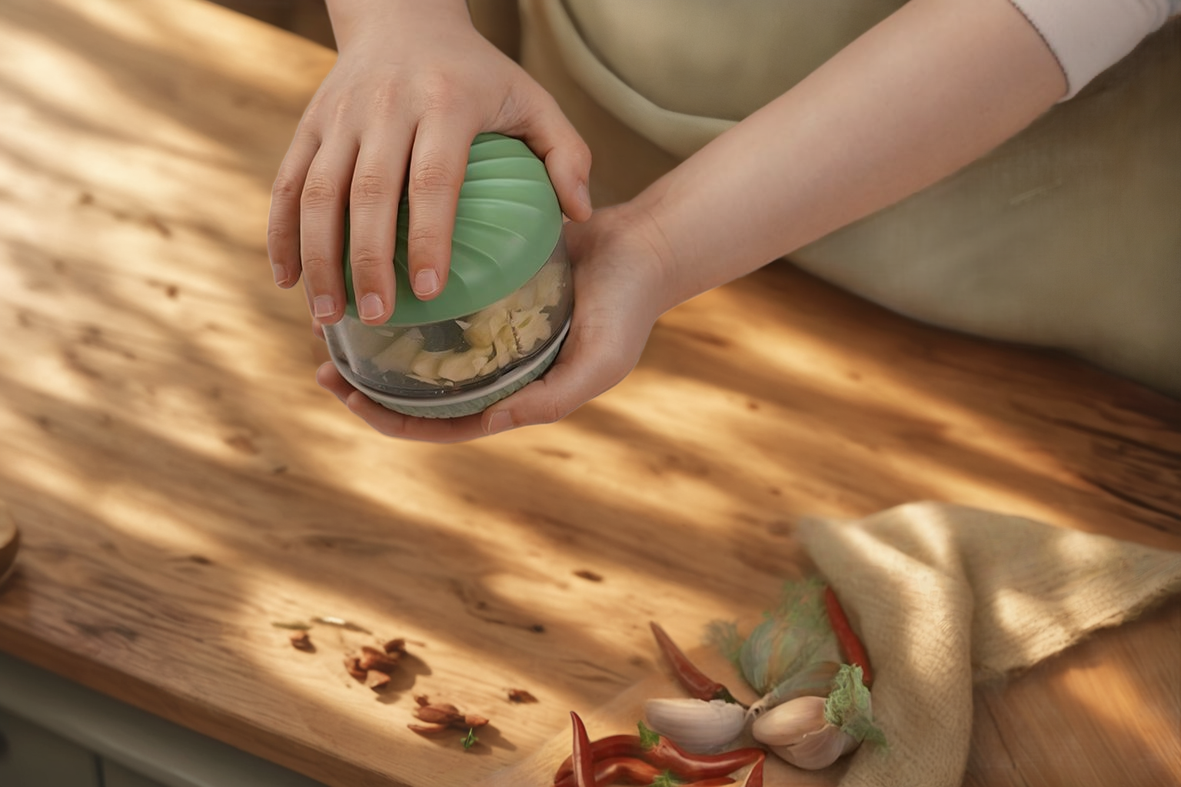
The Indispensable Garlic Press: A Practical Guide to Choosing and Using One
A garlic press is a small kitchen gadget with a simple purpose: it crushes garlic cloves into fine pieces so they can be added quickly to sauces, marinades, dressings, stir-fries, soups, and cooked dishes. For home cooks who use fresh garlic often, it can reduce prep time and help distribute garlic more evenly than rough chopping.
The original appeal of a garlic press is convenience, but the best choice depends on how you cook, how much garlic you prepare, and how much cleaning effort you will tolerate. Some cooks prefer a knife because it gives more control over texture. Others like a press because it produces a moist, intense garlic paste with very little cutting-board work. This guide explains what to look for and how to use one well.
Key Takeaways
- A garlic press is useful when you want finely crushed garlic fast.
- Look closely at handle comfort, chamber size, hole pattern, and cleaning access.
- Pressed garlic can taste stronger because more surface area and juices are released.
- Rinsing immediately after use is the easiest way to prevent dried garlic from sticking.
- If buying for a household, choose based on cooking habits rather than appearance alone.
What a Garlic Press Does Best
A garlic press works by forcing a clove through small holes, creating crushed garlic that blends easily into food. This texture is especially helpful in recipes where large garlic pieces would be distracting, such as salad dressing, garlic butter, aioli-style sauces, noodle sauces, meat marinades, and quick pan sauces.
Because pressing breaks down the clove thoroughly, it releases juices and aroma quickly. That can be an advantage when the garlic is mixed into oil, butter, vinegar, or a warm pan. It can also mean the flavor is more assertive than sliced garlic. If you want a mild garlic note, use less garlic or cook it gently. If you want a bold flavor, a press is a reliable tool.
Garlic Press vs. Knife, Grater, and Garlic Masher
No single preparation method is best for every recipe. A chef’s knife is flexible and easy to clean, but it requires more hand skill and time. A fine grater can create a very smooth paste, but it may be harder to use safely with small cloves. A garlic masher or rocker-style tool can be simple to rinse, though it may require more downward pressure.
| Method | Best For | Texture | Main Consideration |
|---|---|---|---|
| Garlic press | Fast everyday cooking | Fine crushed garlic | Needs prompt cleaning |
| Chef’s knife | Chopped, sliced, or minced garlic | Adjustable | Requires cutting skill |
| Fine grater | Smooth garlic paste | Very fine and wet | Watch fingers near the surface |
| Garlic masher or rocker | Simple crushing on a board | Crushed or rough paste | May need more pressure |
Features to Compare Before You Buy
When selecting a garlic press, compare practical details rather than choosing only by shape or color. A tool that feels comfortable and cleans easily is more likely to be used often.
- Material: Stainless steel is commonly chosen for durability and easy cleaning. Other materials may be lighter, but buyers should check strength and care instructions.
- Handle comfort: The handles should feel stable and not sharp in the hand, especially if you press multiple cloves.
- Chamber size: A larger chamber can hold bigger cloves, but it may also make the tool bulkier.
- Hole pattern: Smaller holes create finer garlic, while larger holes may be easier to rinse.
- Cleaning access: A removable insert, open-hinge design, or included cleaning tool can help, but confirm how the specific model is maintained.
- Unpeeled clove use: Some models are described as suitable for unpeeled cloves. Do not assume this applies to every garlic press; check the product instructions.
How to Use a Garlic Press Properly
Using a garlic press is straightforward, but a few habits improve results. Start with fresh, firm garlic cloves. Remove dry outer skin if your press is not designed for unpeeled cloves. Place one clove in the chamber, close the handles evenly, and press over a bowl, pan, or cutting board. Scrape off the crushed garlic with a spoon or the back of a knife.
- Separate the number of cloves needed for the recipe.
- Peel the cloves unless your specific press instructions say peeling is unnecessary.
- Load one clove at a time for cleaner pressing and less strain.
- Squeeze with steady pressure rather than forcing the handles abruptly.
- Remove any remaining fibers before pressing the next clove.
If the press becomes difficult to close, the clove may be too large or too dry. Cut the clove in half or clear the chamber before continuing. For cooked dishes, add pressed garlic carefully; because it is fine and moist, it can burn faster than sliced garlic in very hot oil.
Cleaning and Care Tips
The most common complaint about a garlic press is cleaning. The easiest solution is to rinse it immediately after use, before garlic pulp dries in the holes. Hold the pressing plate under running water and use a small brush, toothpick, or the cleaning tool provided by the manufacturer if needed. If the tool is labeled dishwasher safe by its maker, a dishwasher may be convenient, but hand rinsing first still helps.
Dry the press thoroughly before storage, especially around hinges and seams. Avoid using harsh abrasives unless the care instructions allow them. If the press has moving parts, check occasionally for trapped food residue. Good cleaning habits protect both hygiene and tool performance.
When a Garlic Press Is Most Useful
A garlic press is particularly helpful for quick weeknight cooking and recipes where garlic should blend into the background. It is useful for garlic oil, tomato sauce, dumpling fillings, stir-fry sauces, roasted vegetable seasoning, yogurt sauces, and marinades. It also reduces the need to wash a cutting board after handling sticky garlic.
However, it is not always the right tool. For recipes that call for visible slices, slow-roasted whole cloves, or a gentler garlic flavor, a knife may be better. A good kitchen habit is to match the cut to the dish: press for intensity and speed, slice for texture, and mince by hand when you want precise control.
Practical Buying Checklist
Before purchasing, ask yourself how often you cook with garlic and what annoys you most during prep. If hand strength is a concern, test handle comfort where possible. If cleaning is the concern, prioritize simple access to the pressing holes. If storage space is limited, choose a compact design that still feels strong enough for regular use.
For online purchases, read the product description carefully. Look for clear care instructions, material information, dimensions, and whether the seller states compatibility with peeled or unpeeled cloves. Avoid assuming every garlic press has the same performance. A practical, easy-to-clean model will usually be more valuable than a complicated design that stays in the drawer.
FAQ
Do I need to peel garlic before using a garlic press?
Often, yes. Some models may allow unpeeled cloves, but this depends on the design. Follow the instructions for the specific press you use.
Does pressed garlic taste stronger than minced garlic?
It can. Pressing creates more broken surface area and releases garlic juices quickly, which may produce a stronger flavor in sauces and hot pans.
Can a garlic press go in the dishwasher?
Only if the manufacturer says it is dishwasher safe. Even then, rinsing immediately after use helps prevent garlic from drying inside the holes.
What is the difference between a garlic press and a garlic masher?
A press forces garlic through holes with handles. A masher or rocker typically crushes garlic against a board. Both can work, but they feel different in use.
Is a garlic press worth buying?
If you cook with fresh garlic often and prefer quick prep, it is worth considering. If you only use garlic occasionally or prefer sliced texture, a knife may be enough.
