




How to Use an Egg Slicer for Faster, Neater Meal Prep
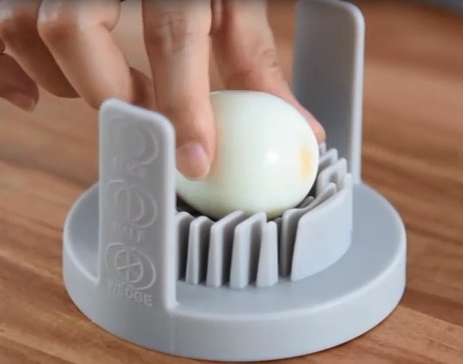
A boiled egg is simple food, but cutting it neatly with a knife is not always simple. The yolk can crumble, the white can slide around, and uneven pieces can make salads, sandwiches, and snack plates look messy. An egg slicer is a small kitchen tool designed to solve that everyday problem. It holds a peeled boiled egg in place while thin metal wires press through it, creating even slices with less effort.
This guide explains how to use an egg slicer properly, how to choose the best cutting style for different dishes, and how to care for the tool so it stays useful in daily kitchen routines. The advice is intended for home cooks, meal preppers, and anyone who wants more consistent boiled egg portions without turning a simple task into extra work.
Key Takeaways
- An egg slicer works best with fully cooked, cooled, and peeled boiled eggs.
- Even slices are useful for sandwiches, salads, lunch boxes, and quick protein snacks.
- Press slowly and evenly to reduce crumbling and keep the yolk intact.
- Clean the wires soon after use with warm soapy water to prevent dried egg residue.
- Some soft foods, such as avocado or soft cheese, may also be sliced if they are not too firm or sticky.
What an Egg Slicer Does
An egg slicer is built around a simple idea: a shallow holder supports the egg while a hinged frame of fine wires cuts through it. Because the wires are spaced evenly, the result is a row of uniform slices. This is especially helpful when presentation matters, such as topping a salad, arranging open-faced sandwiches, or preparing a tray of snacks for guests.
The original article notes that a medium egg usually takes about 10 to 12 minutes to boil until fully cooked. That timing can vary depending on egg size, starting temperature, altitude, and how firmly cooked you prefer the yolk. For clean slicing, the key point is not only cooking but also cooling. A hot egg is softer and more likely to break apart. Cooling the egg in cold water after boiling helps firm the white and makes peeling easier.
How to Slice a Boiled Egg Cleanly
For the neatest slices, start with the right preparation. Boil the egg until it is firm, cool it, peel it carefully, and pat it dry if it feels wet. Place the egg lengthwise in the slicer holder if you want long oval slices. Place it crosswise if you prefer smaller round slices. Then lower the wire frame in one smooth motion.
- Boil the egg until the white and yolk are fully set.
- Cool the egg in cold water before peeling.
- Remove all shell fragments so they do not interfere with the wires.
- Place the egg securely in the cradle of the slicer.
- Press the top frame down gently and evenly.
- Lift the frame and remove the slices with a spoon or small spatula.
A common mistake is pressing too fast. Quick force can flatten the egg before the wires have passed through it. A slower, steady motion usually gives a cleaner result and reduces yolk crumbs.
Choosing the Right Cut for Your Dish
Different dishes benefit from different shapes. Some egg slicers are designed primarily for slices, while others may allow wedges or halved portions. Use the function your tool actually provides, and avoid forcing the egg into a position that does not fit the holder.
| Cut or Preparation | Best Use | Practical Tip |
|---|---|---|
| Thin slices | Sandwiches, toast, salads | Place the egg lengthwise for larger oval slices. |
| Small rounds | Lunch boxes, snack plates | Place the egg crosswise when the holder allows it. |
| Wedges | Plating, side dishes | Use only if your slicer is made for wedge cutting. |
| Halves | Quick meals, deviled eggs | A knife may be better if you need a perfectly centered half. |
| Chopped pieces | Egg salad, toppings | Slice once, rotate carefully, then slice again if the egg stays intact. |
Meal Prep Ideas for Everyday Use
An egg slicer is most useful when it becomes part of a simple routine. If you prepare several boiled eggs at the start of the week, the slicer can help turn them into quick add-ons for meals. Sliced eggs can be layered into sandwiches, added to green salads, served with rice bowls, or packed with vegetables for a protein-rich snack.
For egg salad, a slicer can speed up chopping. Slice the egg in one direction, carefully rotate the sliced egg if it holds together, and slice again. The pieces will not be identical cubes, but they will mix easily with mayonnaise, mustard, herbs, or other seasonings. For deviled eggs, however, a knife is usually better for the initial lengthwise cut because the presentation depends on smooth halves.
The original article also suggests trying an egg slicer with avocado or soft cheese. This can work, but the food needs to be soft enough for the wires and not too sticky. Very firm cheese, underripe avocado, or dense foods may bend the wires or leave residue that is difficult to clean. When in doubt, use a knife instead.
Cleaning and Care Tips
Egg residue dries quickly and can cling to thin wires, so cleaning the slicer soon after use is the best habit. Rinse away loose egg pieces first, then wash the tool with warm soapy water. Use a soft brush or sponge around the wires and holder, taking care not to pull the wires sideways. Dry the slicer before storing it to reduce water spots and keep the drawer cleaner.
- Do not twist the wires while cleaning.
- Avoid using the slicer on hard foods that may strain the cutting frame.
- Store it flat or in a place where other utensils will not press against the wires.
- Check the hinge and wires periodically for looseness or damage.
If your product information includes dishwasher guidance, follow it. If not, hand washing is the safer general approach because it gives you more control around the fine wires and hinge area.
What to Consider Before Buying an Egg Slicer
When choosing an egg slicer, focus on fit, stability, and ease of cleaning rather than claims that sound too broad. The holder should support a typical boiled egg without letting it roll. The hinge should open and close smoothly. The wire frame should align with the grooves in the base so the slices separate cleanly.
If you are comparing suppliers or product listings, ask practical questions: What materials are used for the base, hinge, and wires? Is the tool intended for hand washing or dishwasher use? Are replacement parts available? What foods does the supplier recommend cutting, and what foods should be avoided? Clear answers help you select a tool that suits your kitchen habits without relying on assumptions.
FAQ
Can I use an egg slicer on warm eggs?
You can, but cooled eggs usually slice better. Warm eggs are softer, so the yolk may crumble and the white may compress under the wires.
How long should I boil eggs before slicing?
The source article notes that a medium egg often needs about 10 to 12 minutes for a firm boil. Adjust for egg size and your cooking method, then cool before peeling.
Why are my egg slices breaking apart?
The egg may be undercooked, too warm, poorly peeled, or pressed too quickly. Cool the egg fully and lower the wire frame with steady pressure.
Can an egg slicer cut avocado?
It may cut ripe avocado if the flesh is soft and not too fibrous. Do not force firm avocado through the wires, as that may damage the tool.
Is an egg slicer necessary?
It is not essential, but it is useful if you often prepare boiled eggs and want consistent slices for salads, sandwiches, snacks, or meal prep.
Final Thoughts
An egg slicer is a small tool with a specific purpose: making boiled eggs easier to portion and present neatly. It works best when the egg is fully cooked, cooled, and handled gently. With basic care and realistic expectations, it can save time in everyday meal prep and help make simple dishes look more organized without adding complicated steps.
