








Stainless Steel vs. Carbon Steel: Which is Better for Fabric? (Especially Tailor Scissors)
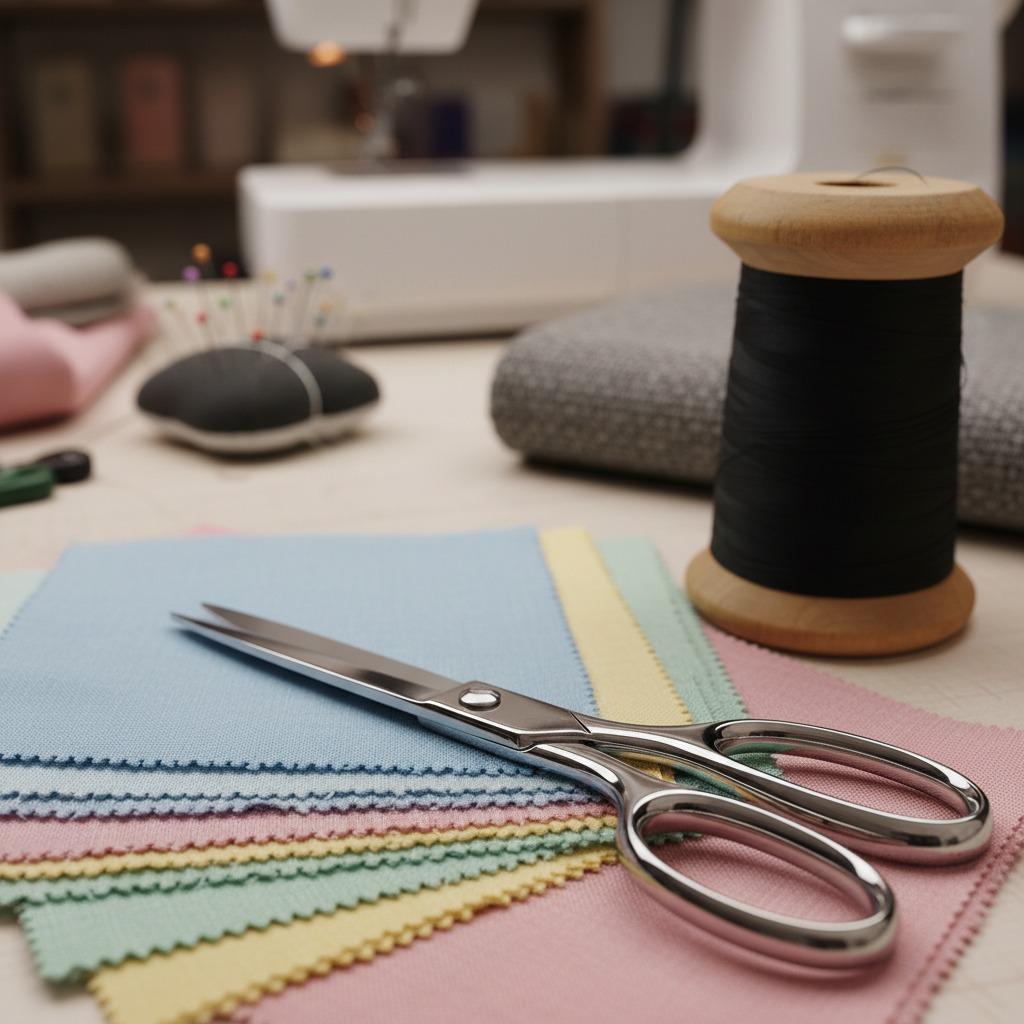
Fabric cutting is a cornerstone of sewing, tailoring, and crafting. The right pair of tailor scissors (also called dressmaker shears or fabric shears) can make all the difference between clean, effortless cuts and frustrating frayed edges or hand fatigue. Two primary blade materials dominate the market: high carbon steel and stainless steel. Neither is universally "better"—it depends on your needs, environment, and maintenance habits.

Understanding the Materials
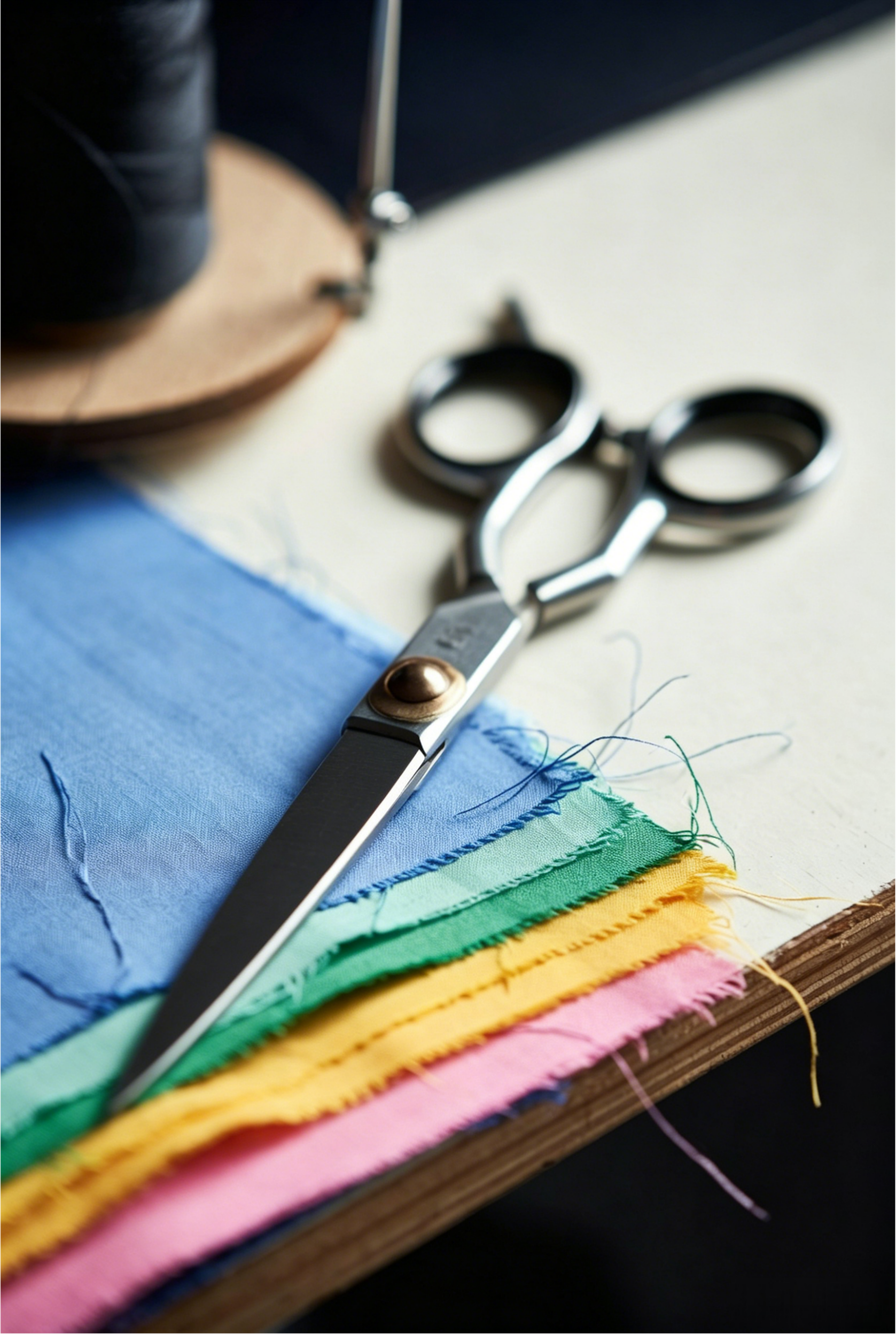
High Carbon Steel (often just called carbon steel in scissors) contains a higher percentage of carbon, making the blades exceptionally hardenable. Many premium tailor shears are forged from this for superior performance.
Stainless Steel incorporates chromium (and often other elements) for corrosion resistance. Modern high-carbon stainless variants blend some benefits of both.
Side-by-Side Comparison
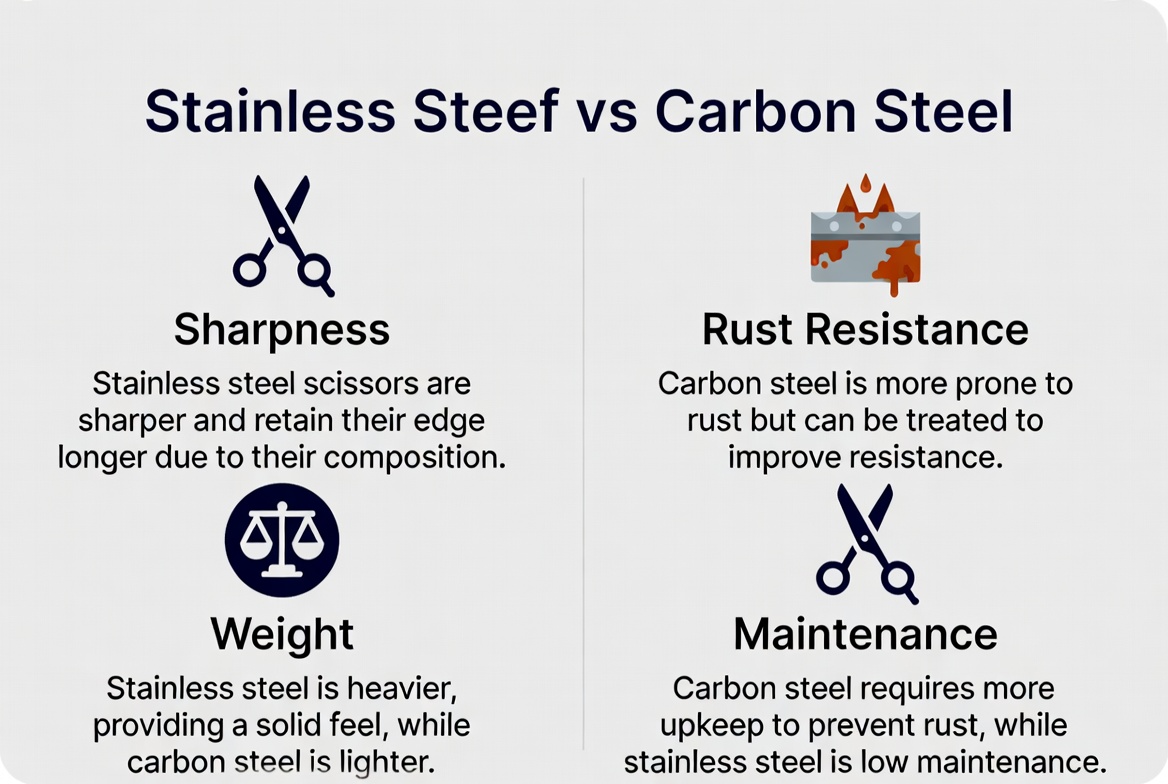
| Feature | High Carbon Steel | Stainless Steel | Winner for Fabric Work? |
|---|---|---|---|
| Sharpness | Excellent – sharper edge possible, finer point | Good, but generally not as razor-like | Carbon Steel |
| Edge Retention | Superior – stays sharp longer with heavy use | Good, but may dull faster under heavy loads | Carbon Steel |
| Ease of Sharpening | Easier to hone to a fine edge | Harder metal, more effort required | Carbon Steel |
| Corrosion Resistance | Prone to rust if not maintained (needs oil/dry storage) | Highly resistant, low maintenance | Stainless Steel |
| Weight | Often lighter | Can feel heavier for better control | Tie (preference-based) |
| Durability | Very tough and resilient, less chipping | Strong but can be more brittle/chip | Carbon Steel |
| Best For | Professional tailors, heavy fabric use, precision | Beginners, humid environments, low-maintenance | Depends on user |
| Price | Often premium | More affordable options | Stainless (value) |
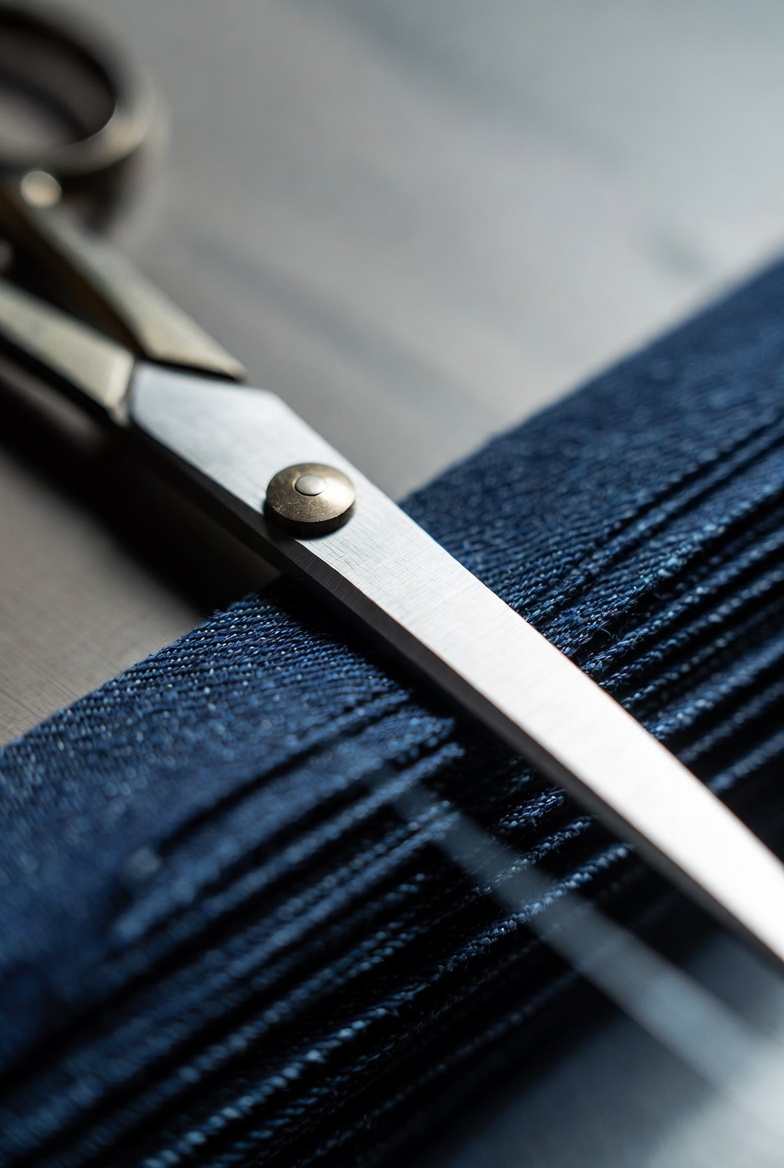
Key takeaway for tailor scissors: High carbon steel is frequently preferred by professionals for fabric because it delivers cleaner cuts through multiple layers of cotton, denim, silk, or upholstery without dragging.

Pros & Cons for Fabric Cutting
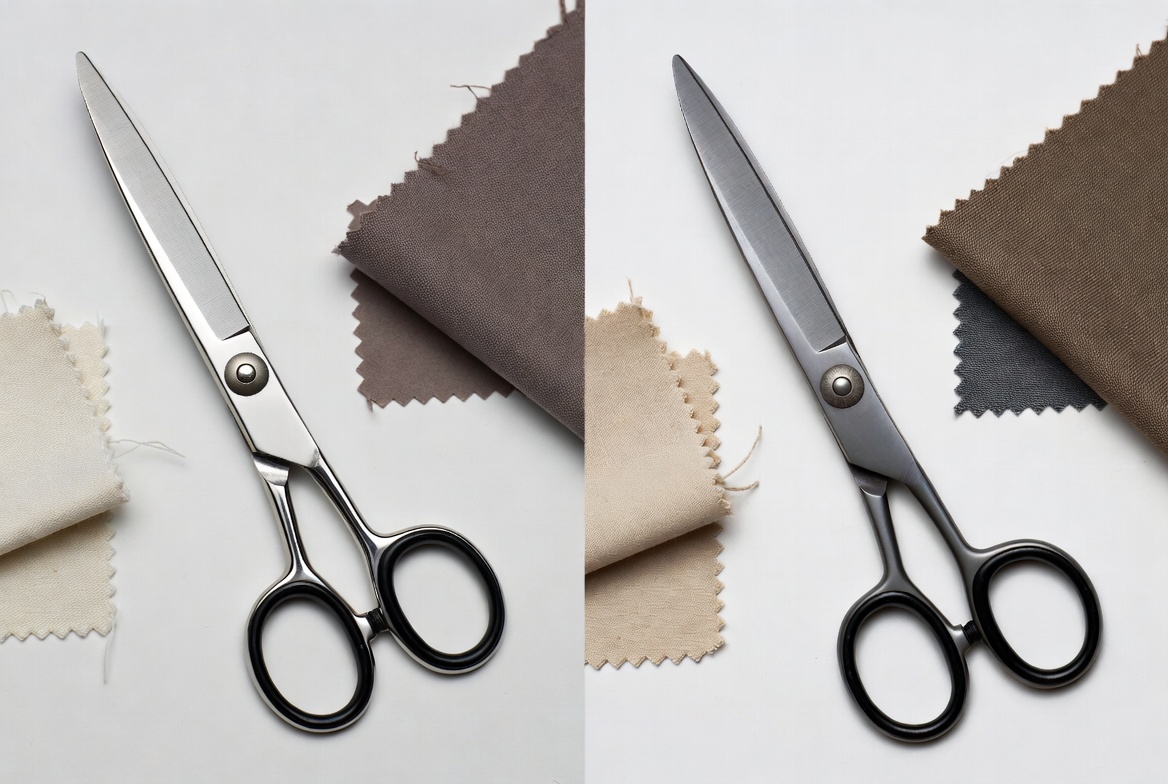
High Carbon Steel Tailor Scissors Pros:
- Superior edge for slicing through fabric cleanly.
- Excellent for precision tailoring and pattern cutting.
- Lighter weight in many forged models—great for long sessions.
- Holds sharpness through demanding jobs.
Cons:
- Requires care: Wipe dry after use, oil occasionally, store properly to prevent rust.
- Not ideal in very humid workshops without maintenance.
Stainless Steel Tailor Scissors Pros:
- Virtually rust-proof—forgiving for occasional moisture or storage lapses.
- Low maintenance, easy to clean.
- Versatile for general sewing, paper, and lighter tasks.
Cons:
- May not achieve or hold the same hair-splitting sharpness as top carbon steel.
- Can feel bulkier or require more frequent touch-ups for heavy fabric work.

Which Should You Choose for Tailor Scissors?
- Choose High Carbon Steel if you sew or tailor frequently, work with varied fabrics (especially thick or multiple layers), and are willing to maintain your tools. Many classic professional shears (like certain Mundial, Kai, or forged models) use this for a reason—it performs best for fabric.
- Choose Stainless Steel for beginners, occasional use, humid climates, or if you prefer set-it-and-forget-it convenience. Great entry-level or backup pairs.
- Hybrid Tip: Look for high-carbon stainless steel blades that offer a balance.
Maintenance Tips for Longevity:
- Never use fabric scissors on paper (it dulls them fast).
- Clean blades after use.
- For carbon steel: Apply a light oil (sewing machine oil) and store in a dry place.
- Sharpen professionally or with proper tools when needed—test by cutting thin fabric at the tip.

Final Thoughts
For dedicated fabric work, high carbon steel tailor scissors often edge out as the better performer due to their sharpness and cutting feel. However, excellent stainless options exist that serve most hobbyists perfectly. Invest in quality—good shears last years or decades with proper care. Test pairs in person if possible, as balance and handle ergonomics matter as much as the material.
What are your favorite scissors? Share in the comments! Whether you're a professional tailor or weekend sewist, the right blades make creating a joy.
Happy sewing! ✂️
