




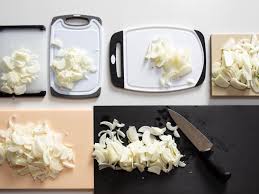
Nice Cutting Boards: Materials, Types, and Best Choices
Choosing a nice cutting board is not only about appearance. The right board protects knives, supports safer food preparation, fits your cleaning routine, and lasts long enough to justify its cost. Home cooks may want a board that is gentle on knife edges and easy to store, while restaurants, retailers, and wholesale buyers need consistent sizing, packaging, and material documentation from suppliers.
The main materials are wood, bamboo, plastic, and composite. Each performs differently under daily chopping, washing, drying, and storage. This guide explains the trade-offs so you can choose a board for vegetables, meat prep, serving, family kitchens, or commercial sourcing without relying on vague product claims.

Key Takeaways
- Wood is usually the most knife-friendly option, but it needs hand washing and periodic oiling.
- Bamboo is hard, lightweight, and often affordable, though it may be less gentle on knife edges than many hardwoods.
- Plastic boards are practical for raw meat handling and color-coded food prep because they are easy to wash and replace when deeply scored.
- Composite boards can offer low maintenance, but buyers should confirm heat, dishwasher, and food-contact claims with the supplier.
- For wholesale or OEM buying, request material details, sample testing, packaging options, and compliance documents instead of assuming specifications.
Main Cutting Board Materials Compared
A good cutting board balances knife friendliness, hygiene, durability, maintenance, and price. No single material is best for every kitchen. The table below summarizes common choices and the situations where they make the most sense.
| Material | Strengths | Limitations | Best Use | Buyer Checklist |
|---|---|---|---|---|
| Hardwood | Gentle on knives, stable feel, attractive surface | Requires hand washing and oiling; can warp if soaked | Daily vegetable prep, bread, serving, serious home cooking | Ask wood type, glue type, finish, care instructions, and packaging protection |
| End-grain wood | Very knife-friendly because fibers absorb cuts well | Usually heavier and higher maintenance than simple boards | Knife enthusiasts, butcher-block style prep | Confirm construction, thickness tolerance, surface finish, and repair guidance |
| Bamboo | Lightweight, hard surface, commonly budget-friendly | Harder feel can dull knives faster than softer woods | Light to moderate home prep, serving, gift sets | Ask about lamination quality, moisture control, finish, and odor testing |
| Plastic | Easy cleaning, replaceable, useful for color coding | Deep grooves can hold residue; may need regular replacement | Raw meat, fish, commercial prep stations, catering | Confirm resin type, thickness, color options, dishwasher guidance, and food-contact documents |
| Composite | Low maintenance, slim profile, often easy to store | Performance varies by formula and manufacturer | Modern home kitchens, travel kitchens, compact storage | Request material composition, heat limits, cleaning method, and test reports if required |
Wood Cutting Boards: Edge Grain, End Grain, and Care
Wood is popular because it feels secure under the knife and is often easier on knife edges than very hard surfaces. Edge-grain boards show long wood strips on the cutting face and are common for daily use. End-grain boards show the ends of the wood fibers; the surface can feel more forgiving because the knife edge works between fibers rather than across them.
The trade-off is maintenance. Wood boards should generally be washed by hand, dried upright, and kept away from long soaking. Many wood boards benefit from food-safe mineral oil or board conditioner, but the exact care routine depends on the product finish. If a board begins to smell, crack, or develop open seams, it should be inspected carefully before continued food use.
Bamboo vs Plastic Cutting Board: Which Is Right?
Bamboo and plastic are often compared because both are widely available and practical for everyday kitchens. Bamboo is rigid and lightweight, making it convenient for small apartments or casual food prep. Its harder surface can feel crisp when cutting, but that hardness may be less forgiving on fine knife edges than many wood boards.
Plastic is useful when easy washing and separation of food types matter. Many kitchens use one plastic board for raw meat and another for vegetables to reduce cross-use. The main weakness is scoring: once knife grooves become deep, cleaning becomes harder and the board should be replaced or resurfaced if the material and manufacturer allow it.
Carving Board vs Cutting Board: Key Differences
A standard cutting board is designed for general chopping, slicing, and prep. A carving board is designed for cooked meats, roasts, poultry, or foods that release liquid. The clearest difference is the juice groove around the edge, which helps catch drippings before they reach the counter.
For home kitchens, one everyday cutting board plus one carving board can cover most tasks. If space is limited, choose a larger board with a juice groove that still provides enough flat cutting area. For commercial or catering use, consider separate boards for raw prep and cooked presentation, and make sure cleaning procedures are easy for staff to follow.
How to Choose a Nice Cutting Board for Home Use
Start with your cooking habits. If you cut vegetables daily and care about knife sharpness, a wood board may be worth the upkeep. If you prepare raw meat often, a plastic board that can be washed thoroughly and replaced when worn is practical. If you need a light board for simple prep, bamboo may be enough.
- Choose a size that fits your counter and sink. A board that is too large to wash properly will be used less often.
- Check thickness and weight. Thin boards store easily, while thicker boards feel more stable.
- Look for non-slip control, either through board weight, feet, or a damp towel placed underneath.
- Match the surface to your knives. Avoid glass, marble, or ceramic cutting surfaces for serious knife work.
- Plan maintenance before buying. If you will not oil and hand-wash wood, choose a lower-maintenance material.
B2B and Wholesale Sourcing Guidance
For retailers, distributors, hospitality buyers, and OEM projects, material selection is only one part of the decision. Consistency, packaging, documentation, and after-sales support matter just as much as the sample board. Do not assume a supplier can meet a requirement unless it is confirmed in writing.
Useful questions to ask a cutting board supplier include: What exact material is used? Can the supplier provide food-contact documentation for the target market? What sizes, thicknesses, colors, finishes, and packaging formats are available? Are logo, private-label, or OEM options offered? What is the sample lead time, production lead time, inspection process, and policy for damaged goods? What are the minimum order quantities and how are they affected by custom color, mold, packaging, or logo requirements?
For bulk orders, inspect samples for flatness, odor, surface smoothness, edge finishing, color consistency, and packaging strength. If boards will be sold online, also ask how the supplier prevents warping, scratches, and corner damage during shipping.
Cleaning, Storage, and Replacement Tips
Cutting boards last longer when they are cleaned quickly and dried fully. Wash after use, remove food residue from grooves, and store boards upright or with airflow. Do not leave boards sitting in a wet sink. Use separate boards or clear cleaning routines for raw meat, seafood, vegetables, and ready-to-eat foods.
Replace a board when it has deep grooves that do not clean well, cracks, open seams, persistent odors, or warping that makes the board unstable. A nice cutting board should be safe and comfortable first; appearance is secondary.
FAQ
What is the best cutting board material for knives?
Wood, especially well-made hardwood boards, is generally considered gentle on knife edges. Bamboo and plastic can be practical, but very hard surfaces such as glass or stone should be avoided for chopping.
Is bamboo better than plastic?
It depends on the task. Bamboo is light and firm for everyday prep, while plastic is easier to separate by food type and replace when worn. For raw meat, many cooks prefer a dedicated plastic board.
How many cutting boards should a kitchen have?
At minimum, many kitchens benefit from two: one for produce and bread, and one for raw meat or fish. Larger households or commercial kitchens may need more, often with color coding.
What should wholesale buyers verify before ordering?
Confirm the material, dimensions, tolerances, packaging, logo method, sample approval process, food-contact documentation, lead time, MOQ, and quality inspection standards before placing a bulk order.
When should a cutting board be replaced?
Replace it when deep cuts, cracks, odors, loose parts, or warping make cleaning difficult or use unsafe. Plastic boards often show replacement needs through heavy scoring; wood boards may need maintenance or resurfacing first.
