




Rolling Pin Manufacturer Guide: Sourcing Wooden Kitchen Tools
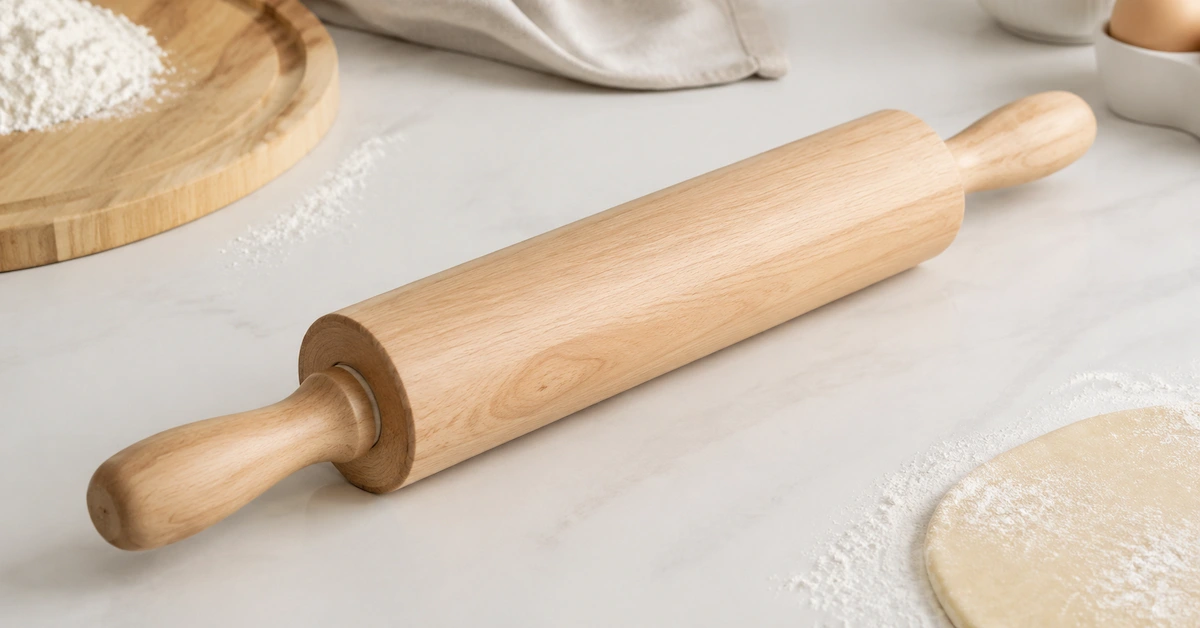
For sourcing teams, a rolling pin is not just a low-cost kitchen accessory. It is a hand tool that must feel balanced, roll smoothly, contact dough evenly, and look acceptable in a retail or food-service environment. The wooden rolling pin shown in the source article has a light natural wood appearance, a smooth sanded surface, a cylindrical barrel, and rounded or tapered handles at both ends. Those visible details are useful starting points, but buyers should still verify material, treatment, dimensions, packaging, and use guidance directly with the supplier.
This guide explains how to evaluate a rolling pin manufacturer or wooden rolling pin supplier without relying on assumptions. It is written for private-label buyers, kitchenware importers, bakery supply teams, and product managers comparing factory options.
Key Takeaways
- Do not judge a wooden rolling pin by appearance alone; check turning accuracy, surface finish, and handle comfort.
- Ask the supplier to confirm wood species, surface treatment, cleaning guidance, and packaging details in writing.
- Compare samples under real use conditions, especially if the product is intended for retail sets or bakery work.
- Customization can be useful, but changes to profile, branding, or finish should not reduce comfort or rolling performance.
What a Rolling Pin Manufacturer Is Supplying
A rolling pin manufacturer is supplying a repeatable kitchen tool, not merely a turned wooden cylinder. A good pin helps the user flatten dough with steady pressure and minimal drag. For home bakers, that may mean pie crust, cookie dough, or pastry sheets. For commercial kitchens or bakery teams, it may affect prep speed and visual consistency across batches.
Because the product is simple, small defects are easy to notice. A rough barrel can catch sticky dough. An uneven profile can wobble. Handles with abrupt transitions can cause discomfort during repeated use. These issues may not be obvious in a product photo, which is why physical sample review matters.
Why Wooden Rolling Pins Remain Popular
Wooden rolling pins are still widely used because they are familiar, direct, and easy to handle. Many bakers like the tactile feedback of wood when working dough. A light natural wood appearance also fits many kitchenware assortments, gift sets, and traditional baking categories.
However, natural wood varies. Grain, tone, and small color differences are normal, but buyers should decide what level of variation is acceptable for the target channel. A discount bakery supply order may tolerate more variation than a coordinated retail kitchenware line. The best sourcing brief defines the acceptable appearance range before production, not after cartons arrive.
Construction and Finish Points to Check
The visible design suggests a traditional handled rolling pin with a central barrel and shaped handles. It may be produced through wood turning and sanding, which is common for round wooden kitchen tools. Do not assume whether the item is one-piece or assembled unless the supplier confirms it. The distinction can affect balance, durability, cleaning guidance, and buyer messaging.
When assessing samples, focus on the details that affect daily use:
- Roundness: Roll the pin on a flat surface and look for wobble or uneven contact.
- Surface smoothness: Run a clean hand over the barrel and handles to check for sanding marks, splinters, or rough transitions.
- Handle comfort: Test grip from different angles and with different hand sizes if the product is for broad consumer use.
- End finishing: Inspect edges and handle ends for sharpness, cracks, or inconsistent shaping.
- Visual consistency: Compare several samples, not just the best presentation sample.
Comparison Checklist for Buyer Evaluation
| Evaluation Area | What to Check | Questions to Ask the Supplier |
|---|---|---|
| Wood and appearance | Color, grain variation, visible cracks, knots, or patchy areas | What wood species is used, and what appearance variation is acceptable? |
| Turning accuracy | Even barrel, stable rolling, symmetrical handles | How is roundness or dimensional consistency checked during production? |
| Surface finish | Sanded feel, smooth contact area, no rough edges | What sanding and finishing steps are used before packing? |
| Treatment or coating | Finish feel, cleaning behavior, odor, residue | Is any coating, oil, or treatment applied, and what documentation is available? |
| Customization | Branding area, handle profile, packaging format | Which custom options are available without changing performance? |
| Packaging | Protection from scuffing, moisture, and transport damage | How is each unit protected, and can retail packaging be reviewed before order? |
Choosing Between Common Rolling Pin Styles
Buyers often compare several wooden rolling pin formats before selecting a supplier. The handled style is the most familiar to many consumers. It gives a clear grip and helps users apply pressure through the center barrel. This format is suitable for broad kitchen use when the buyer wants a traditional look and intuitive handling.
French-style rolling pins are usually tapered and do not have separate handles. They offer more direct control, especially for experienced bakers, but some casual users may find them less familiar. A pin-style design may be better for pastry-focused assortments, while a handled design may be easier to position as an everyday baking tool.
The sourcing decision should match the end user. For a bakery supply catalog, performance under repeated use may matter most. For a retail gift set, finish consistency, packaging, and presentation may carry more weight. For a private-label kitchenware program, the buyer may need a balance of comfort, appearance, and repeatable production.
Customization and Private-Label Questions
A custom rolling pin factory may be able to adjust handle shape, overall profile, branding, finish appearance, and packaging. The exact options should be confirmed rather than assumed. Even small changes can affect hand feel or manufacturing repeatability.
Before requesting customization, prepare a clear brief that includes intended user, sales channel, packaging needs, visual preference, and any required documentation. If branding is requested, ask where it can be placed, how it is applied, and whether it affects cleaning or surface smoothness. If a different finish is requested, ask how it changes touch, maintenance, and appearance over time.
Common Sourcing Mistakes to Avoid
The first mistake is selecting on unit price before reviewing samples. Wooden rolling pins can look similar in quotations but differ significantly in sanding quality, turning accuracy, and handle comfort.
The second mistake is making unsupported claims in product listings. Do not state a wood grade, food-contact approval, finish type, or durability result unless the supplier has provided the relevant confirmation. For B2B buyers, accurate product copy protects both the brand and the customer relationship.
The third mistake is ignoring storage and cleaning realities. Wood is a natural material, and buyers should understand how moisture exposure, washing habits, and packaging conditions may affect the product. Ask the supplier for use-and-care recommendations suitable for the intended market.
Practical FAQ
Is a wooden rolling pin suitable for home and commercial kitchens?
It can be, if the construction and finish match the expected use. Commercial buyers should pay particular attention to comfort, surface consistency, and supplier guidance on care.
What should I verify before placing an order?
Verify wood species, dimensions, finish or treatment, cleaning guidance, packaging method, customization options, and any documentation required by your market or customer.
How many samples should a buyer review?
Reviewing more than one sample is recommended because wood appearance and turning consistency can vary. Ask for samples that represent normal production, not only showroom pieces.
Can a rolling pin be customized for private label?
Often yes, but the available options depend on the supplier. Ask which design elements are flexible, how branding is applied, and whether changes affect performance or lead time.
What is the best way to assess rolling performance?
Use the sample on a flat surface and, if possible, with actual dough. Check for wobble, dragging, uneven pressure, and comfort during repeated rolling motions.
Next Step for Sourcing Teams
When evaluating a rolling pin manufacturer, start with real-use testing and supplier questions rather than catalog photos alone. A reliable wooden rolling pin should feel smooth, balanced, and comfortable, with a finish appropriate for dough contact and routine cleaning. Ask for clear answers on materials, treatment, customization, and packaging before moving to volume discussions. That approach helps buyers choose a product that performs well for end users and can be repeated consistently across future orders.
