





Corporate Activities That Build Better Workplace Connection
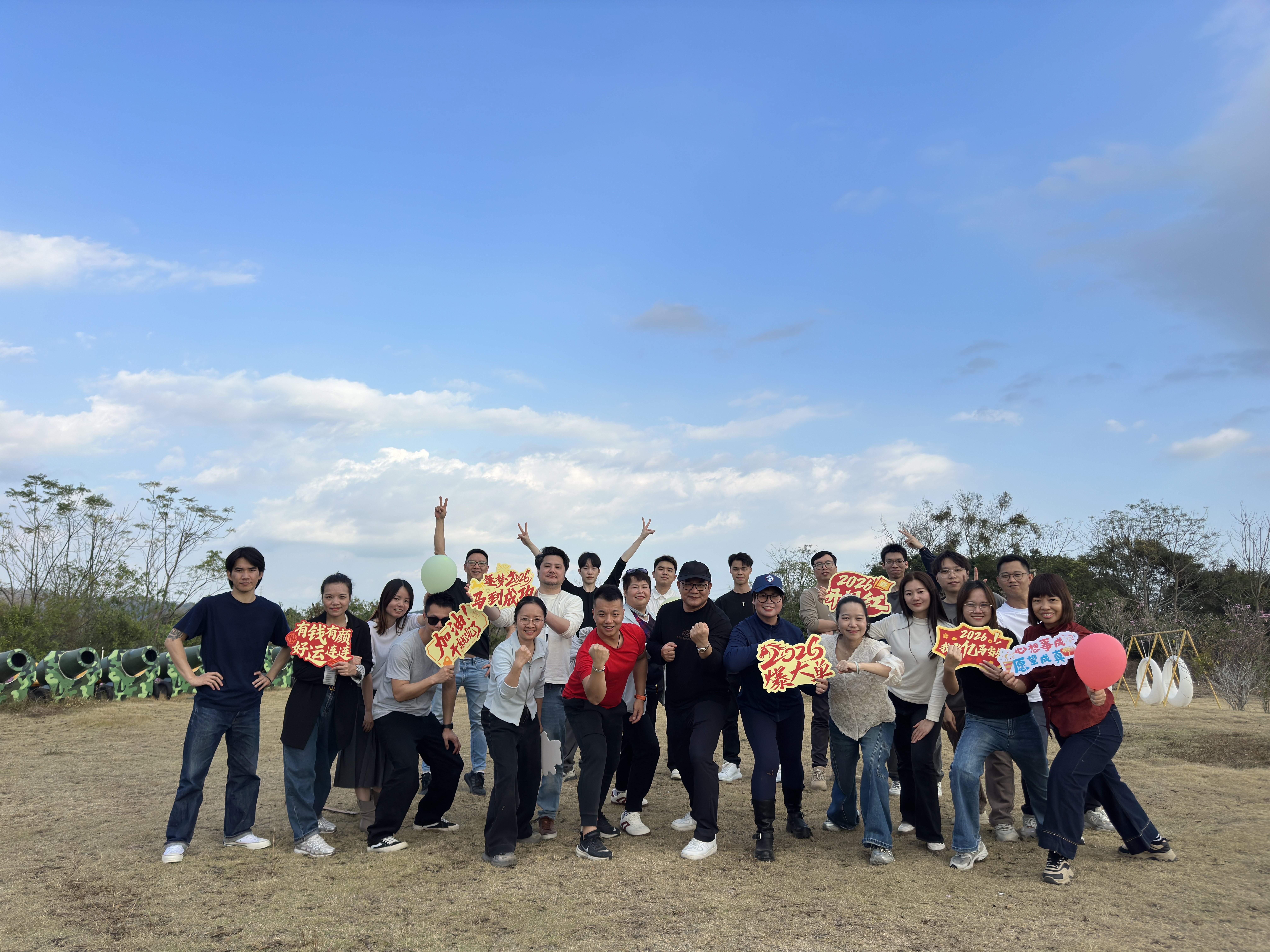
Corporate activities are most effective when they solve a real workplace need: helping people communicate, trust one another, and feel part of a shared company culture. They do not have to be expensive, dramatic, or packed with forced games. A well-planned company outing, internal celebration, volunteer day, or team workshop can reduce workplace distance and create moments that employees remember for the right reasons.
For HR teams, department managers, and business owners, the goal is not simply to “organize an event.” The goal is to choose activities that fit the team’s size, schedule, comfort level, and business rhythm. When corporate activities are planned with intention, they can support onboarding, employee engagement, cross-department collaboration, and morale during busy periods.
Key Takeaways
- Corporate activities work best when they have a clear purpose, such as improving communication, welcoming new staff, or celebrating progress.
- Company outings are useful for informal bonding, while internal company events are easier to organize regularly.
- Inclusive planning matters: consider physical ability, dietary needs, work schedules, and different personality types.
- Measure results with simple feedback, attendance patterns, and manager observations rather than assumptions.
Why Corporate Activities Matter
In many workplaces, teams communicate through messages, meetings, and project tools more than through face-to-face conversation. This can be efficient, but it can also make colleagues feel disconnected. Corporate activities create a different setting where people can speak naturally, learn about each other, and build trust outside routine tasks.
Good activities can also improve collaboration. Employees who have shared a problem-solving challenge, a meal, a volunteer project, or a group outing often find it easier to ask questions and offer help later. These moments do not replace strong management, fair policies, or clear communication, but they can support a healthier work environment.
Company Outings: When to Leave the Office
Company outings are helpful when a team needs a break from the usual workplace setting. Outdoor picnics, museum visits, cooking classes, sports days, escape rooms, and local cultural tours can all work, depending on the team. The best outing is not necessarily the most unusual one; it is the one people can join comfortably and safely.
Before choosing an outing, ask practical questions. How far is the location? Is transportation needed? Can employees with mobility limitations participate? Is the activity weather-dependent? Will introverted employees feel pressured, or are there lower-key options available? These details determine whether the outing feels thoughtful or inconvenient.
For larger companies, consider splitting outings by department or interest group. Smaller groups often make conversation easier and logistics more manageable. For remote or hybrid teams, a regional gathering or optional local activity may be more realistic than one large event.
Internal Company Events: Simple, Repeatable, Effective
Internal company events are easier to run regularly because they use the workplace or an existing company venue. Examples include monthly breakfasts, project showcase days, cultural holiday gatherings, learning lunches, recognition meetings, wellness sessions, and new employee welcome events.
These events are especially useful for maintaining rhythm. A quarterly town hall followed by informal refreshments can help employees understand business updates and meet people from other teams. A monthly knowledge-sharing session can help departments explain what they do. A holiday gathering can celebrate the year, but it should be planned with cultural awareness and optional participation.
Small details matter. Provide enough seating, clear timing, and food options that suit different needs. Avoid turning every event into a speech-heavy session. Employees are more likely to enjoy events when they include time for natural conversation and do not extend far beyond normal work expectations.
Choosing the Right Activity for Your Team
The right corporate activity depends on the team’s purpose and personality. A sales team that enjoys competition may appreciate a structured challenge. A product or operations team may prefer a practical workshop. A mixed group of new and long-term employees may benefit from relaxed activities that encourage conversation without putting individuals on the spot.
| Activity Type | Best For | Planning Checklist |
|---|---|---|
| Company outing | Informal bonding and stress relief | Confirm transport, accessibility, weather plan, timing, and budget. |
| Internal celebration | Recognition, milestones, and culture building | Set a short agenda, include inclusive food options, and avoid overlong speeches. |
| Team workshop | Communication, problem solving, and alignment | Define the learning goal, choose a facilitator, and collect feedback afterward. |
| Volunteer activity | Shared purpose and community engagement | Check partner requirements, safety rules, travel time, and optional participation. |
| Wellness session | Reducing stress and supporting wellbeing | Offer beginner-friendly options and avoid making health discussions intrusive. |
Planning Steps for HR and Managers
A corporate activity should be planned like any other business project: with a goal, owner, timeline, and feedback loop. Start by defining the reason for the event. Is the company trying to welcome new employees, rebuild morale after a demanding project, improve cross-team communication, or celebrate a milestone?
- Set the objective. Choose one primary goal so the activity does not become unfocused.
- Know the audience. Consider team size, age range, work schedule, location, accessibility, and comfort level.
- Confirm the budget. Include venue, transportation, food, materials, facilitator fees, and contingency costs.
- Communicate early. Share the date, duration, location, dress code, and participation expectations clearly.
- Gather feedback. Use a short survey or informal manager check-in to learn what worked and what did not.
If external vendors are involved, ask practical questions before booking. What is included in the quoted price? Are there cancellation terms? How are safety, accessibility, and dietary requirements handled? Can the agenda be adapted for your group size? Avoid assuming a vendor’s standard package will suit every team.
How to Keep Activities Inclusive
Corporate activities can backfire when they reward only one type of personality or physical ability. Not everyone enjoys public performance, intense competition, alcohol-centered events, or high-energy outdoor challenges. Inclusivity does not mean removing all fun; it means offering formats where more people can participate without discomfort.
Provide choices when possible. For example, a company picnic can include light games, quiet seating, and family-friendly areas. A team challenge can allow people to contribute through planning, creativity, communication, or observation rather than only speed or strength. Internal celebrations can include non-alcoholic drinks and food labels for common dietary restrictions.
Managers should also avoid making attendance outside work hours feel mandatory. If an activity is important for team culture, consider scheduling it during paid working time or offering flexibility for employees with caregiving responsibilities or long commutes.
Measuring Success Without Overcomplicating It
The success of corporate activities should not be judged only by photos or attendance. A busy room does not always mean a valuable event. Instead, look for signs such as improved communication, more cross-team introductions, positive feedback, and employees asking for similar activities in the future.
Use short feedback questions: Was the activity worth your time? Did it help you connect with colleagues? What would you change next time? Keep the survey anonymous if you want more honest responses. Over time, compare which formats attract steady participation and which ones feel forced.
FAQ: Corporate Activities
How often should a company organize corporate activities?
There is no single rule. Many companies benefit from a mix of small monthly internal events and larger quarterly or annual activities. The right frequency depends on workload, budget, and employee interest.
What are low-cost corporate activity ideas?
Low-cost options include team lunches, knowledge-sharing sessions, office games, walking meetings, volunteer hours, recognition boards, book discussions, and informal coffee chats between departments.
Should corporate activities be mandatory?
Mandatory activities can create resentment, especially outside normal work hours. If the event supports business goals, schedule it during working time and make the purpose clear. Optional social events should remain truly optional.
How can remote teams participate?
Remote teams can use virtual workshops, online games, regional meetups, shared learning sessions, or mailed activity kits. Keep online activities short and interactive to avoid video-call fatigue.
What is the biggest mistake to avoid?
The biggest mistake is planning around what leadership enjoys without asking what employees need. Start with the team’s reality, then choose an activity that is practical, inclusive, and connected to a clear purpose.
