




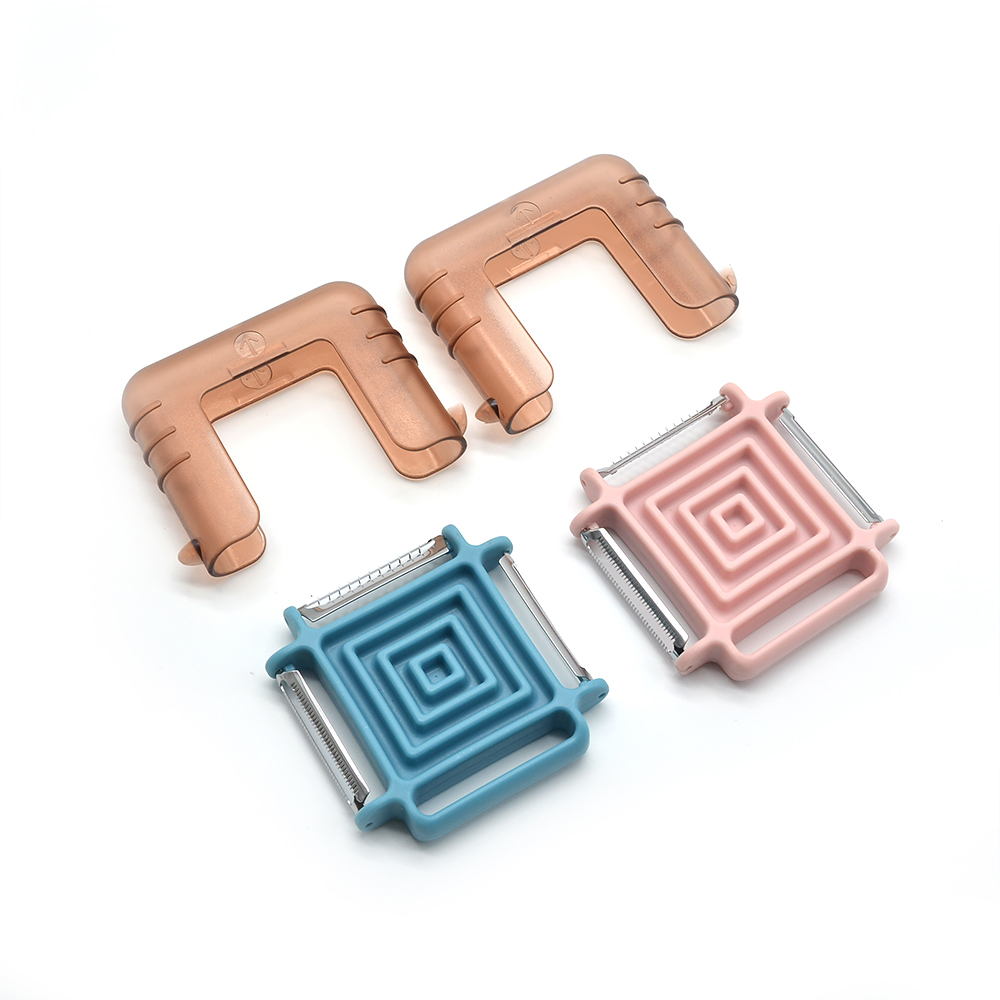
3in1 Kitchen Peeler Manufacturer: Practical Sourcing Guide for Buyers
A 3-in-1 kitchen peeler is designed to combine several food-preparation tasks in one compact tool, commonly including peeling, slicing, and julienne cutting. For retailers, distributors, promotional product buyers, and kitchenware brands, the appeal is clear: one SKU can serve multiple everyday cooking needs while taking up little shelf or drawer space. However, sourcing this product well requires more than choosing a good-looking handle or a low quote.
When evaluating a 3in1 kitchen peeler manufacturer or supplier, buyers should focus on function, consistency, safety, packaging, and communication. The original product concept highlights time-saving kitchen use, a multi-functional design, and comfort-focused handling. This guide expands those points into practical sourcing steps so you can compare suppliers more confidently and avoid common purchasing mistakes.
What a 3-in-1 Kitchen Peeler Is Expected to Do
The basic promise of a 3-in-1 peeler is versatility. Instead of requiring separate tools for peeling vegetables, slicing strips, and preparing julienne-style cuts, the user can switch between functions on one item. In daily use, this may apply to potatoes, carrots, cucumbers, zucchini, apples, or garnish preparation, depending on the blade design and the food texture.
For B2B buyers, it is important to define the intended use before requesting quotations. A peeler made for light home cooking may not need the same structure as one positioned for professional kitchen use. Similarly, a promotional giveaway may prioritize low weight and simple packaging, while a retail product may require better presentation, clearer instructions, and more consistent finishing.
Key Product Details to Confirm Before Ordering
The original article refers to stainless steel blades, rust resistance, ergonomic handling, and finely serrated cutting performance. These can be useful features, but buyers should not rely on marketing wording alone. Ask the supplier to confirm the actual blade material, handle material, surface finish, function layout, and whether the blade edges are plain, serrated, or shaped for julienne cutting.
- Ask which materials are used for the blades, handle, and connecting parts.
- Request product drawings, dimensions, unit weight, and photos from multiple angles.
- Confirm whether the product peels, slices, and juliennes as separate functions.
- Ask how the user switches between functions and whether the mechanism is fixed or rotating.
- Request care instructions, especially whether dishwasher use is recommended.
- Clarify available colors, handle finishes, packaging formats, and branding options.
If you plan to sell the peeler in a regulated market, ask the supplier what documents they can provide for the materials and food-contact components. Do not assume compliance claims unless they are supported by relevant documentation for your destination market.
Comparison Checklist for Supplier Evaluation
A structured checklist helps buyers compare offers that may look similar at first glance. Use the table below when reviewing samples, quotations, or factory profiles.
| Evaluation Point | What to Check | Questions to Ask the Supplier |
|---|---|---|
| Function performance | Peeling, slicing, and julienne results on common vegetables | Can you provide a product video or sample for testing? |
| Blade information | Material, edge type, sharpness, and corrosion-resistance claims | What blade material is used, and can it be documented? |
| Handle comfort | Grip shape, hand feel, slip resistance, and balance | Is the handle design customizable for OEM orders? |
| Assembly quality | Blade fixing, moving parts, gaps, and overall stability | How is each batch inspected before shipment? |
| Packaging | Retail card, color box, bulk pack, barcode, and instructions | What packaging options are available for wholesale orders? |
| Commercial terms | MOQ, lead time, payment terms, and sample cost | What are the current MOQ and production lead time? |
How to Review Samples Like a Professional Buyer
Samples should be tested in a consistent way. Do not only inspect appearance; use the product on several ingredients and repeat the same action multiple times. A good sample review should consider cutting smoothness, clogging, comfort, and ease of cleaning. If the peeler feels unstable, scratches easily, or requires excessive force, it may create negative reviews after retail launch.
Check the blade alignment and whether the cutting surface contacts vegetables evenly. Examine the handle for sharp seams, weak joints, or slippery surfaces. If the item includes a switching or rotating mechanism, operate it repeatedly to see whether it remains stable. After washing, inspect whether water stays trapped in gaps or whether any discoloration appears. These observations should be recorded and shared with the supplier before moving to bulk production.
OEM, Wholesale, and Packaging Questions
Many buyers search for a 3in1 peeler supplier because they need wholesale quantities, private-label packaging, or OEM adjustments. Before discussing price, prepare a clear purchasing brief. Include target market, expected retail channel, packaging preference, order quantity estimate, branding needs, and any required documentation. This helps the manufacturer quote accurately and avoid misunderstandings.
For OEM orders, ask which elements can be customized. Possible areas may include color, logo placement, packaging artwork, instruction sheet, or handle design, but availability depends on the supplier’s actual tooling and production setup. If tooling is needed, ask about tooling cost, ownership, sample approval steps, and revision limits. For wholesale orders, ask whether standard stock packaging is available and whether mixed colors or assortment packs are possible.
Quality Control Points for Bulk Orders
Quality control should be agreed before production begins. A pre-shipment inspection can review appearance, quantity, packaging, labeling, and basic function. For a kitchen tool with sharp components, also check for burrs, exposed edges outside the intended cutting area, loose blades, cracked handles, and inaccurate assembly.
Buyers should define acceptable and unacceptable defects in writing. For example, small cosmetic marks may be treated differently from loose blades or missing instructions. Ask the supplier how they handle defective units, replacement parts, and after-sales feedback. If you work with an inspection company, provide the approved sample, artwork, packing method, and function test requirements in advance.
Key Takeaways
- A 3-in-1 kitchen peeler is usually sourced for peeling, slicing, and julienne-style preparation in one compact tool.
- Do not rely only on product photos; test samples on real ingredients before confirming a purchase order.
- Confirm blade material, handle material, packaging, branding options, MOQ, lead time, and available documentation directly with the supplier.
- For OEM or wholesale sourcing, provide a clear purchasing brief so quotations are comparable.
- Set quality expectations before production, especially for blade fixing, cutting performance, surface finish, and packaging accuracy.
Practical FAQ for 3-in-1 Peeler Buyers
What should I ask a 3in1 kitchen peeler manufacturer first?
Start with the basics: product functions, materials, dimensions, packaging, MOQ, lead time, sample availability, and whether the supplier can support your target market requirements. Ask for clear photos, videos, and a physical sample before bulk ordering.
Is stainless steel always used for the blades?
The original product description mentions stainless steel blades, but buyers should still confirm the exact material with the supplier. Ask for material details and any available documentation instead of assuming all models use the same grade or finish.
How can I judge whether the peeler is comfortable to use?
Test the handle with wet and dry hands, use it on several vegetables, and check whether it requires too much pressure. A comfortable handle should feel stable, not create sharp pressure points, and allow controlled movement.
Can a 3-in-1 peeler be sold as a private-label product?
Often, kitchenware suppliers may offer branding or packaging options, but this depends on their tooling, printing partners, and order quantity. Ask what can be customized, what the MOQ is, and whether artwork approval samples are available.
What is the best way to avoid quality problems in bulk orders?
Approve a final sample, document your requirements, confirm packaging artwork carefully, and arrange inspection before shipment if the order value justifies it. Clear standards reduce disputes and help the supplier understand your expectations.
