




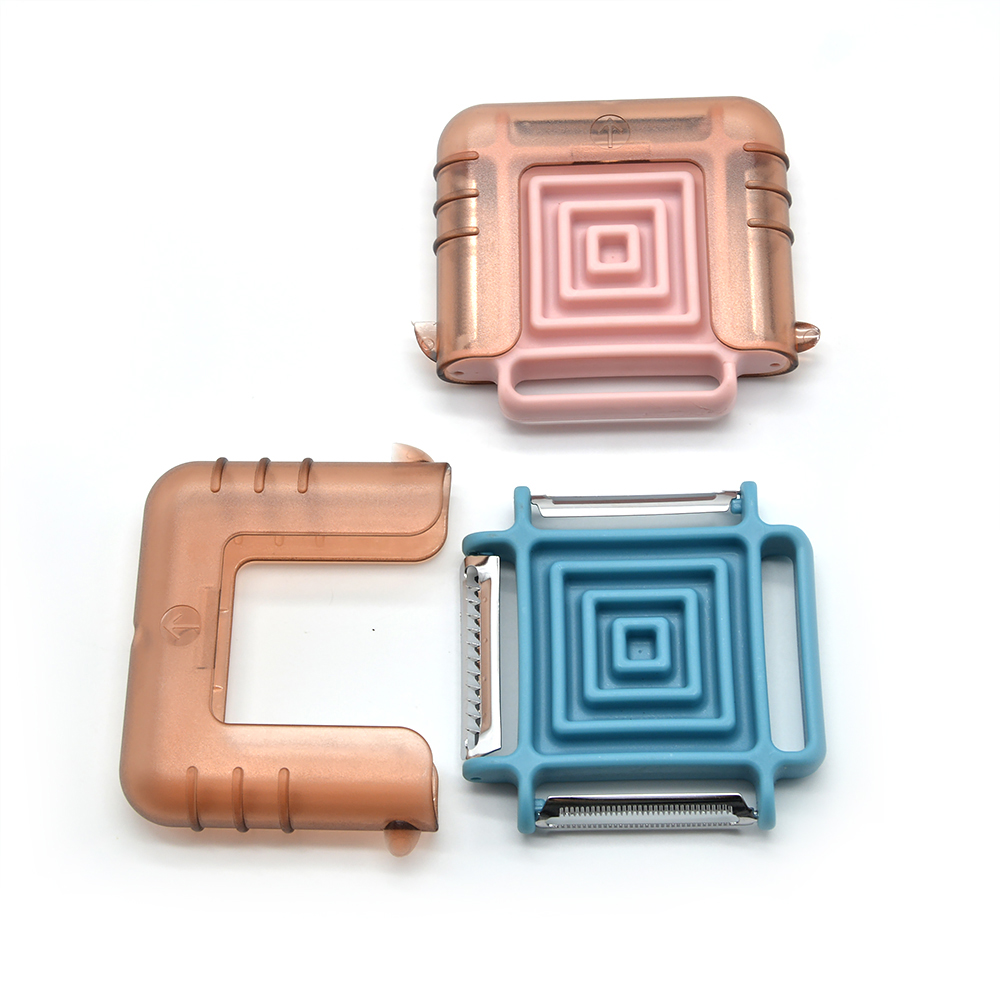
3in1 Kitchen Peeler Manufacturer: Practical Sourcing Guide
A 3in1 kitchen peeler is a compact food-preparation tool designed to reduce the number of separate gadgets needed for everyday peeling and slicing tasks. The original concept is simple: combine a standard peeler, a julienne slicer, and often another cutting function into one handheld tool. For retailers, importers, promotional buyers, and kitchenware wholesalers, the real challenge is not just finding an attractive product. It is finding a dependable 3in1 kitchen peeler manufacturer or supplier that can support consistent quality, clear communication, and practical commercial terms.
This guide explains how to evaluate a multi-functional peeler from a B2B sourcing perspective. It does not assume specific factory capacity, certifications, materials, prices, or minimum order quantities. Instead, it focuses on the questions buyers should ask before placing an OEM, wholesale, or private-label order.
Why 3in1 Peelers Remain Popular in Kitchenware Assortments
Kitchen drawers are crowded, and many consumers prefer tools that perform more than one task without taking up extra space. A 3in1 peeler answers that need by combining multiple cutting functions in a small format. It can appeal to home cooks who prepare vegetables often, meal-prep users who want faster slicing, and gift buyers looking for a useful everyday gadget.
For B2B buyers, the appeal is also commercial. A compact product is typically easier to display, bundle, ship, and promote than larger kitchen tools. It can fit into supermarket kitchenware aisles, online marketplace assortments, cookware accessory ranges, and seasonal promotions. If the design includes a modern finish, such as a rose gold look, buyers should still verify the finish method, durability expectations, and care instructions rather than relying on appearance alone.
Core Product Details to Confirm Before Ordering
The original product description highlights common expectations for multi-functional peelers: effective cutting performance, comfortable handling, and a compact design. However, every buyer should confirm the exact product details directly with the supplier. Small differences in blade design, handle shape, packaging, and finishing can significantly affect user experience and return rates.
- Functions: Confirm whether the item includes a straight peeling blade, julienne blade, and what the third function is.
- Blade material: Ask what material is used and whether the supplier can provide supporting documentation if required by your market.
- Handle design: Review shape, grip texture, balance, and comfort for both left- and right-handed users if relevant.
- Finish: If a metallic or rose gold finish is offered, ask how it is applied and how users should clean it.
- Safety: Check whether the product includes a blade cover, protective packaging, or warning labels.
- Packaging: Confirm retail box, blister card, hang tag, barcode placement, and private-label options.
Comparison Checklist for Supplier Evaluation
A supplier comparison should go beyond unit price. A low quote can become expensive if product details are unclear, samples differ from production, packaging is weak, or the supplier cannot support after-sales issues. Use the following checklist when comparing a 3in1 peeler supplier, trading company, or direct manufacturer.
| Evaluation Area | What to Ask | Why It Matters |
|---|---|---|
| Product specification | Can you provide a clear specification sheet with dimensions, functions, materials, and finish details? | Prevents misunderstandings before sampling and mass production. |
| Sample consistency | Will the approved sample be the same as the bulk order in blade type, handle, color, and packaging? | Reduces the risk of quality disputes after production. |
| OEM or private label | What logo, color, packaging, and instruction options are available? | Helps buyers build a product that fits their retail channel. |
| Quality control | What checks are performed for blade sharpness, assembly, finish, and packaging? | Shows whether the supplier has a repeatable inspection process. |
| Commercial terms | What are the MOQ, lead time, payment terms, and carton details? | Allows accurate cost planning and inventory scheduling. |
| Compliance support | What documents can be provided for the target market? | Helps buyers assess regulatory and retailer requirements without assumptions. |
Quality Factors That Affect User Experience
For a handheld peeler, quality is felt immediately. The tool should cut cleanly, feel stable in the hand, and be easy to control. If the blades pull, drag, or clog too easily, customers may stop using the product even if it looks attractive. Buyers should test samples on common produce such as potatoes, carrots, cucumbers, zucchini, and apples, depending on the intended market.
Grip comfort is also important. A handle that is too narrow, slippery, or poorly balanced can cause hand fatigue during repeated use. If the supplier describes the handle as ergonomic or textured, ask for a sample and verify it in actual use. Do not rely only on catalogue photos. For online retail, consider whether the supplier can provide accurate product photos, usage instructions, and clear warnings that match the final item.
OEM, Wholesale, and Packaging Questions to Ask
When sourcing from a 3in1 kitchen peeler manufacturer, buyers often need more than the product itself. They may need retail packaging, language-specific instructions, logo printing, carton labeling, or marketplace-ready barcodes. These details should be discussed early because they can affect cost, lead time, and inspection requirements.
- Ask whether the supplier supports existing stock designs, OEM customization, or both.
- Confirm the minimum order quantity for standard products and customized versions.
- Request artwork templates before designing retail packaging.
- Check whether packaging protects the blade and finish during shipping.
- Ask for carton size, gross weight, and packing quantity for freight calculation.
- Clarify how defects, shortages, or packaging errors will be handled.
If the order is intended for a supermarket, chain store, or importer with strict requirements, ask the supplier what documents they can provide and what third-party inspections they can accommodate. Avoid assuming that any factory automatically meets your market’s compliance rules.
How to Review Samples Before Bulk Production
A good sample review is structured and repeatable. Instead of simply checking appearance, create a short test plan. Record the sample date, supplier name, product code, packaging version, and any customization. Then test the peeler on the same produce types each time so different suppliers can be compared fairly.
Look for clean cutting, secure blade assembly, smooth edges, comfortable grip, and stable function switching if the design includes multiple blades. Inspect the finish for scratches, uneven color, or peeling. Review packaging for sharp-edge protection and shipping strength. If you approve a sample, keep one sealed reference sample and ask the supplier to keep one as well. This makes later production comparison much easier.
Key Takeaways
- A 3in1 peeler is valued because it combines multiple preparation functions in one compact kitchen tool.
- B2B buyers should verify functions, materials, finish, packaging, and safety details directly with the supplier.
- Do not evaluate suppliers by price alone; sample consistency, documentation, and communication matter.
- For OEM or wholesale orders, clarify MOQ, lead time, artwork requirements, carton details, and defect handling before production.
- Keep an approved reference sample to compare against the final bulk shipment.
FAQ: Sourcing a 3in1 Kitchen Peeler
What should a 3in1 kitchen peeler include?
It commonly includes a standard peeler, a julienne slicer, and another cutting or peeling function. The exact third function should be confirmed with the supplier before ordering.
How can I judge whether a peeler supplier is reliable?
Ask for a specification sheet, samples, packaging details, quality control steps, commercial terms, and available documents for your target market. Clear answers are usually a good sign.
Can I request a rose gold finish or custom color?
Many kitchenware buyers request specific finishes or colors, but availability depends on the supplier. Ask how the finish is applied, what care instructions are recommended, and whether customization affects MOQ or lead time.
Should I choose a factory or a trading supplier?
Both can work. A factory may provide direct production communication, while a trading supplier may offer broader sourcing support. Compare transparency, sample quality, responsiveness, and documentation.
What is the best way to avoid production problems?
Approve a detailed sample, confirm all packaging and labeling requirements in writing, arrange inspection if needed, and compare bulk production against the approved reference sample.
