




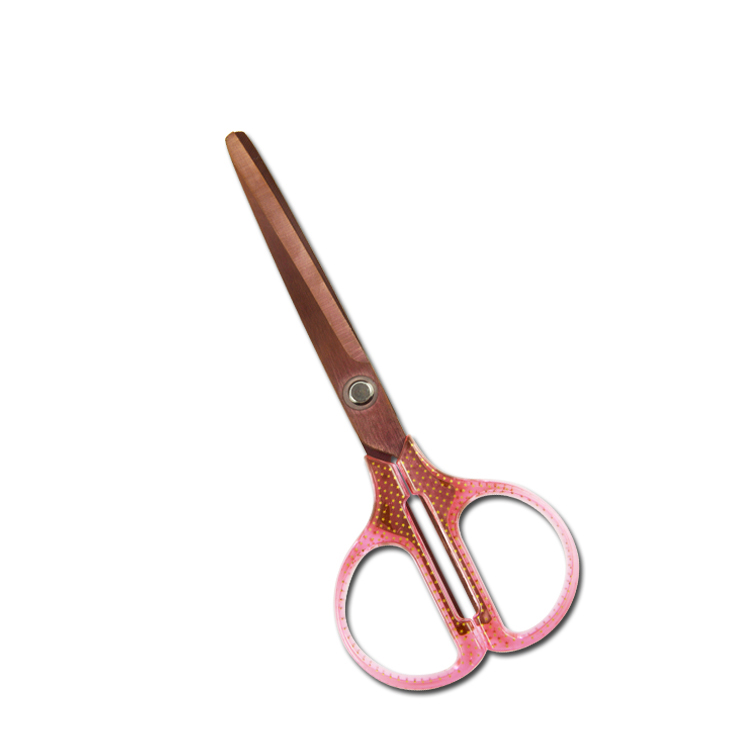
Best Stationery Scissors: Practical Buying Guide for Bulk Users
Stationery scissors look simple, but the wrong choice can create daily frustration in an office, classroom, studio, mailroom, or retail stationery range. Buyers need scissors that cut paper cleanly, feel comfortable in repeated use, and suit the people and tasks they are purchased for. For wholesale and institutional purchasing, the goal is not only to find an attractive design; it is to confirm consistency, packaging, replacement planning, and supplier communication before placing a larger order.
This guide explains how to evaluate stationery scissors for bulk purchase, using the New Pattern Cover Stationery Scissors Series as an example of the type of product buyers may compare. The series includes 6-1/4 inch and 7 inch sizes, color options such as matte black, pink, and iridescent finishes, plus patterned covers featuring animals and florals. These visible details are useful, but buyers should also review handle comfort, blade performance, packing options, and commercial terms with the supplier.
Key Takeaways
- The best stationery scissors depend on user group, cutting task, size preference, and purchase volume.
- For offices and schools, comfort and consistent cutting are usually more important than decorative appearance alone.
- Bulk buyers should ask clear questions about packaging, sample approval, lead time, quality checks, and customization options.
- Do not rely only on product photos; test samples with real paper, labels, envelopes, and craft materials used by your team.
What Makes Good Stationery Scissors?
Good stationery scissors should open smoothly, cut ordinary office paper without tearing, and feel stable in the hand. In daily office use, scissors may be used for trimming documents, opening packaging, cutting labels, preparing displays, or supporting craft activities. A classroom or shared workspace may need dozens or hundreds of pairs, so a small weakness in design can become a repeated complaint.
When reviewing product options, start with the basics: size, blade sharpness, handle shape, grip comfort, and general finish. The original product description highlights ergonomic handles intended to reduce fatigue during prolonged use and blades designed for clean cuts. Those are important qualities to verify in sample testing, especially when scissors will be used by teachers, office administrators, designers, packing staff, or students under supervision.
Size Selection: 6-1/4 Inch vs. 7 Inch
The New Pattern Cover Stationery Scissors Series is available in 6-1/4 inch and 7 inch sizes. These two sizes can serve different needs. A 6-1/4 inch pair is often easier to store in pencil cases, desk drawers, stationery kits, or classroom supply boxes. A 7 inch pair provides a larger format that may feel more comfortable for adult hands or for longer straight cuts.
Bulk buyers should not assume one size works for every user. Offices may prefer a standard adult size, while schools may divide orders by age group and activity. Retailers may stock both sizes to give end users a choice. If you are sourcing for a branded stationery program, ask the supplier whether mixed-size cartons, assorted colors, or separate item codes are available.
Design, Color, and Patterned Covers
Appearance matters in stationery because products are often used in visible workspaces or sold as part of a coordinated range. The series mentioned in the source includes matte black, pink, and iridescent finishes, with patterned covers featuring animals and florals. These design choices can help retailers create shelf variety and can help schools or offices assign scissors by team, classroom, or purpose.
However, design should support usability rather than replace it. A patterned cover may be useful for blade protection and product presentation, but buyers should check how securely the cover fits, whether it is easy to remove, and whether the packaging clearly shows the size and intended use. If the product is for children or shared public environments, ask the supplier about recommended age use, warning labels, and any market-specific packaging requirements rather than making assumptions.
Comparison Checklist for Bulk Stationery Scissors
| Buying Factor | What to Check | Why It Matters |
|---|---|---|
| Size | Compare 6-1/4 inch and 7 inch samples with intended users. | Comfort and control vary by hand size and task. |
| Blade performance | Test on copy paper, envelopes, labels, and light craft paper. | Clean cutting reduces waste and user frustration. |
| Handle comfort | Use the scissors repeatedly for several minutes. | Ergonomic handles can help reduce hand fatigue. |
| Cover and finish | Check fit, appearance, and durability during handling. | Important for storage, merchandising, and user satisfaction. |
| Packaging | Ask about bulk pack, retail card, barcode, and carton details. | Packaging affects warehousing, resale, and distribution. |
| Supplier process | Confirm samples, production lead time, inspection, and communication. | Reduces risk before larger purchasing decisions. |
How to Evaluate a Stationery Scissors Manufacturer
If you are buying from a stationery scissors manufacturer or supplier, your evaluation should include more than product appearance. Ask for samples from the same product line you plan to order, then document your tests. Check whether the sample finish, handle feel, cover pattern, and cutting quality match the product description and photos. If the order is for retail resale, review packaging print quality and carton labeling as well.
Useful supplier questions include:
- Which sizes, colors, and patterned covers are currently available for this series?
- Can the supplier provide samples before bulk ordering, and are they production-equivalent?
- What packaging formats are available for wholesale, retail, or institutional distribution?
- Are mixed colors or mixed sizes possible within one order?
- What are the lead time, payment terms, inspection steps, and shipment options?
- Can the supplier explain any applicable safety, labeling, or documentation requirements for the destination market?
A responsible sourcing decision depends on clear answers. Avoid assuming capacity, certifications, test results, or compliance status unless the supplier provides current documentation for the exact product and market.
Use Cases: Office, School, Studio, and Retail
For office procurement, the best stationery scissors are reliable desk tools that can be shared across departments. Neutral colors such as matte black may suit professional settings, while brighter or iridescent options can be useful for creative teams. In schools, scissors may need to be organized by classroom, grade, or activity. Covers and recognizable patterns can help with storage and identification.
Artists, craft groups, and studios may care more about control, smooth opening, and clean edges. Retailers, meanwhile, need a balanced assortment: practical sizes, attractive colors, and packaging that communicates the product clearly. The animal and floral patterned covers in this series may appeal to customers looking for a more personal stationery item, but retailers should still test whether the scissors perform well enough for repeat purchase.
Care and Storage Tips for Longer Service
Even everyday stationery scissors last longer when used correctly. Buyers supplying offices or schools should provide simple use guidance to reduce misuse. Keep scissors intended for paper away from wire, thick plastic, or hard materials that may damage the blades. Store them dry, use the cover when available, and wipe adhesive residue from the blades after cutting tape or labels.
- Assign scissors by use: paper, craft, mailroom, or display work.
- Store pairs in a fixed drawer, cup, or classroom kit to prevent loss.
- Clean sticky residue promptly with an appropriate wipe or cloth.
- Replace damaged or loose scissors rather than continuing unsafe use.
FAQ
What size stationery scissors should I buy in bulk?
Choose based on users and tasks. A 6-1/4 inch size is compact for kits and drawers, while a 7 inch size may suit adult office users and longer cuts. Testing both is the safest approach.
Are patterned cover scissors suitable for offices?
Yes, if the cutting performance and handle comfort meet your needs. Patterned covers can help with storage and identification, but they should not be the only reason for selection.
What should I ask before ordering bulk stationery scissors?
Ask about available sizes, colors, cover designs, sample policy, packaging, carton details, lead time, inspection process, and any documentation required for your market.
How can I compare suppliers fairly?
Use the same sample tests for each supplier: cut common materials, check comfort, inspect finish, review packaging, and confirm written commercial terms before deciding.
Can stationery scissors be customized?
Customization may be possible depending on the supplier and order details. Ask directly about color, packaging, logo, and cover design options, as well as any minimum order requirements.
