




Bulk Paper Scissors: Efficient Tools from Top Manufacturer
Buying bulk paper scissors is a practical decision for offices, schools, art programs, stationery retailers, promotional buyers, and distributors. The goal is not simply to find the lowest unit price. A good bulk purchase should deliver consistent cutting performance, comfortable handling, safe packaging, and predictable replenishment. When scissors are used daily by many people, small details such as grip comfort, blade finish, and carton labeling can affect user satisfaction and replacement costs.
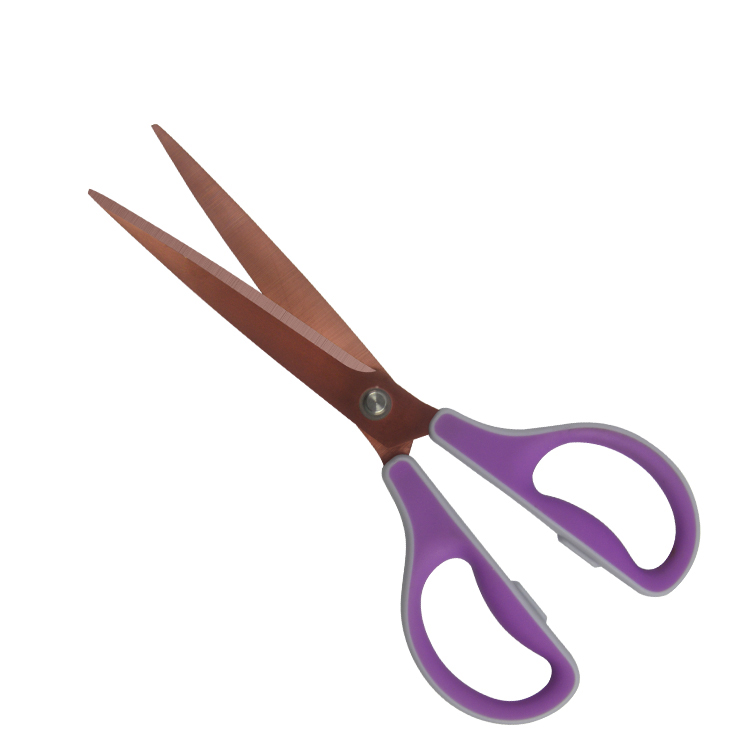
The original article introduced the PrecisionCraft Ergonomic Scissors as an example option, noting stainless steel blades, copper-colored blades, purple ergonomic handles, and a soft non-slip grip. Those visible and stated features can help a buyer create a benchmark, but commercial buyers should still verify specifications directly with the supplier before placing a wholesale order.
Key Takeaways
- Bulk purchasing works best when buyers define users, cutting tasks, packaging needs, and reorder plans before requesting quotes.
- A direct paper scissors manufacturer may offer better communication on materials, quality control, and customization, but details must be confirmed in writing.
- Evaluate samples for cutting smoothness, handle comfort, alignment, finish consistency, and packaging durability.
- Do not assume certifications, material grades, MOQ, or production capacity unless the supplier provides documentation.
Who Should Buy Paper Scissors in Bulk?
Bulk paper scissors are commonly purchased by organizations that need many identical tools across multiple users or locations. Schools may need classroom sets for craft work. Offices may stock scissors for mailrooms, reception desks, supply cabinets, and administrative teams. Creative studios and print shops may use them for light trimming, mockups, and general paper handling. Retailers and wholesalers may purchase case quantities for resale.
Different buyers have different priorities. A school may focus on comfort, safe handling, and budget control. A craft retailer may care about color, shelf presentation, and repeatability from order to order. A distributor may need carton markings, stable lead times, and clear after-sales communication. Defining the use case first prevents overspending on features that are not needed or underspecifying a product that will be used heavily.
Why Work With a Direct Paper Scissors Manufacturer?
Working with a paper scissors manufacturer can be useful when a buyer needs consistency, private-label packaging, or larger-volume ordering. A direct supplier relationship may reduce the number of intermediaries and make it easier to ask technical and production questions. However, buyers should treat manufacturer claims as starting points for verification, not as guarantees.
Before ordering, ask whether the supplier can provide samples from current production, not only display samples. Ask what blade material is used, how the blade edge is finished, and how handle materials are described on the product specification sheet. If the supplier advertises stainless steel blades, confirm the exact material description they are willing to print on documents or packaging. If you need specific testing, compliance, or documentation for your market, ask early and request evidence.
Product Features to Evaluate Before Ordering
The PrecisionCraft Ergonomic Scissors described in the source article include stainless steel blades, copper-colored blades, vibrant purple ergonomic handles, and a soft non-slip grip. For buyers, these features should be evaluated in terms of practical use rather than appearance alone. Stainless steel is commonly associated with corrosion resistance and edge durability, but the exact grade was not provided in the source, so it should be confirmed with the supplier. A colored blade finish can support visual merchandising, but buyers should ask how the finish performs with normal use and packaging contact.
Handle design is especially important for bulk programs. Ergonomic handles and a soft non-slip grip can help with comfort during repeated cutting, but the best test is hands-on use by the intended audience. A pair that works well for adult office users may not be ideal for younger students or high-volume craft users. Evaluate grip size, finger opening shape, edge smoothness, and whether the scissors feel stable while cutting several sheets of paper.
Bulk vs Wholesale vs Retail: What Changes?
In everyday language, bulk and wholesale are often used together, but they are not always identical. Bulk buying usually means purchasing a larger quantity for internal use or distribution. Wholesale paper scissors often refers to goods bought for resale, sometimes with different packaging, labeling, or carton requirements. Retail purchasing is usually smaller quantity, higher unit cost, and less flexibility.
| Buying route | Best for | What to check |
|---|---|---|
| Retail purchase | Small teams, trial use, urgent needs | Unit price, return policy, availability |
| Bulk purchase | Schools, offices, studios, institutions | Sample quality, case quantity, delivery schedule |
| Wholesale order | Distributors, retailers, promotional programs | Packaging, labeling, carton marks, reorder consistency |
| Direct manufacturer sourcing | OEM, private label, repeat large-volume buying | Specifications, quality control process, documentation, customization options |
Supplier Questions for B2B Buyers
A clear request for quotation saves time and reduces misunderstandings. Instead of asking only for the cheapest price, prepare a short specification and question list. This is especially important for OEM, wholesale, or manufacturing-related sourcing where packaging, inspection, and delivery details affect the final landed cost.
- What blade material and handle material are listed on the official specification sheet?
- Can you provide current production samples before a bulk order?
- What packaging options are available for individual pairs, inner boxes, and export cartons?
- What is the minimum order quantity, and does it change for custom packaging or colors?
- Can carton labels, barcodes, or private-label artwork be supported?
- What quality checks are performed before shipment?
- How are defects, shortages, or transit damage handled?
- What lead time should buyers expect for repeat orders?
These questions do not require the supplier to make unsupported claims. They simply create a documented basis for comparison between quotes.
Sample Inspection Checklist
Never rely only on photos when choosing scissors for a large order. Request samples and inspect them in the same way users will handle them. Cut standard copy paper, envelopes, craft paper, and any other materials relevant to your program. If the scissors are intended only for paper, avoid evaluating them against materials outside that use case.
- Check whether the blades open and close smoothly without looseness.
- Look for burrs, rough edges, staining, or inconsistent coating on the blades.
- Cut straight lines and curves to assess control and alignment.
- Hold the scissors for several minutes to judge grip comfort.
- Inspect packaging for crushed corners, unclear labeling, or weak sealing.
- Compare multiple samples to see whether color and finish are consistent.
If multiple departments or customer groups will use the scissors, collect feedback from several users before final approval. Comfort is subjective, and a small review panel can reveal issues that a purchasing manager might miss.
Cost Factors Beyond Unit Price
For B2B sourcing, the lowest quoted price may not produce the lowest total cost. Consider packaging waste, damage rates, reorder reliability, and the administrative time required to resolve problems. If a supplier offers customization, confirm whether artwork setup, sample approval, or packaging changes affect cost and timing. Ask how products are packed for transport and whether the carton configuration fits your warehouse, classroom storage, retail shelving, or distribution process.
Also consider inventory planning. Buying too little can create frequent reorders and inconsistent product batches. Buying too much can tie up storage space. A good purchasing plan estimates usage, replacement frequency, and seasonal demand, then aligns ordering with supplier lead times.
Practical FAQ
What are bulk paper scissors best used for?
They are best for organizations that need many reliable scissors for paper cutting, including offices, classrooms, craft spaces, mailrooms, retailers, and distributors.
Should I buy from a manufacturer or a wholesaler?
A manufacturer may be better for customization, repeat large orders, and direct specification discussions. A wholesaler may be better for faster availability or smaller mixed orders. Compare samples, documentation, service, and total cost.
What should I confirm before ordering ergonomic scissors?
Confirm handle size, grip material description, intended user group, packaging, sample quality, and whether the design remains comfortable during repeated cutting.
Can I assume stainless steel scissors are all the same?
No. If stainless steel is important to your purchase, ask the supplier for the exact material description they provide on the specification sheet and any available supporting documentation.
How can I reduce risk on a first wholesale order?
Start with samples, document approved specifications, confirm packaging and carton details, agree on inspection expectations, and clarify how the supplier handles defects or shortages.
Final Sourcing Advice
Bulk paper scissors are simple tools, but a successful purchase depends on careful specification. The PrecisionCraft Ergonomic Scissors example highlights features buyers often look for: stainless steel blades, a distinctive blade finish, colorful ergonomic handles, and a soft non-slip grip. Use those points as part of your evaluation, then verify every important detail with the supplier. A well-managed sourcing process helps ensure that the scissors delivered to your office, school, retail program, or distribution channel match the needs of real users.
