




Can Opener Factory: Practical Sourcing Guide for Buyers
Sourcing from a can opener factory is not only about finding a low unit price. For importers, wholesalers, promotional product buyers, and kitchenware brands, the better question is whether a supplier can consistently produce can openers that match your market, packaging plan, and quality expectations. A reliable can opener should open tins cleanly, feel comfortable in the hand, resist early wear, and be easy for end users to understand.
The original discussion of can opener manufacturing highlighted three product directions: automatic can openers, manual can openers, and multifunction kitchen tools such as a spaghetti measuring tool with an integrated can opener. This guide expands that idea into a practical B2B sourcing checklist, with clear questions buyers can use when comparing factories or requesting OEM quotations.
Key Takeaways
- Manual and automatic can openers serve different markets, price levels, and user needs.
- Buyers should confirm materials, blade performance, handle comfort, packaging, and inspection standards before placing orders.
- For OEM or wholesale projects, ask the factory what customization is available rather than assuming capacity, MOQ, or certification details.
- Multifunction tools can be attractive, but only if each function works well and the product remains simple to use.
Understanding What a Can Opener Factory Produces
A can opener factory may produce several categories of kitchen tools. The most common are manual can openers, which are operated by hand and often chosen for affordability, simplicity, and broad household use. Automatic can openers are designed to reduce effort and may appeal to users who want convenience or have limited hand strength. Some factories also develop multifunction items that combine can opening with other kitchen tasks.
When contacting a supplier, avoid vague requests such as “send your best can opener.” Instead, define the sales channel and user group. A supermarket buyer may need durable retail packaging and consistent appearance across large shipments. A promotional buyer may care about logo placement and color options. An e-commerce brand may focus on product photos, instruction clarity, and low return rates. The right factory discussion starts with the buyer’s market requirements.
Manual Can Openers: What Buyers Should Evaluate
Manual can openers remain a core product because they are familiar, compact, and usually easy to store. The original article noted that manual production can emphasize durability, hand-operated control, and ergonomic handles. For sourcing, these points should be verified through samples rather than accepted only as descriptions.
Inspect how the opener grips the can rim, how smoothly the turning mechanism works, and whether the handle is comfortable during repeated use. Ask the factory what materials are used for the blade, gear, body, and handle. If stainless steel or other specific materials are required for your market positioning, request written confirmation and sample testing. Also check whether the cutting edge leaves sharp burrs, whether the opener slips, and whether it works across different common can sizes in your target market.
Automatic Can Openers: Convenience and Risk Control
Automatic can opener manufacturing focuses on ease of operation and consistent assembly. The original text referred to precision engineering, efficient production, sensors, and automatic shut-off mechanisms. Buyers should treat these as areas to verify in the specific model being quoted. Not every automatic opener has the same motor, battery arrangement, safety design, or operating method.
For automatic models, request clear details about power source, operating sequence, blade replacement or cleaning instructions, and user safety design. If your destination market has electrical, battery, or product safety requirements, ask the supplier which standards the product is designed for and what documentation is available. Do not assume compliance based on a category name. A short video test, pre-production sample, and inspection checklist can help reduce misunderstandings before mass production.
Multifunction Kitchen Tools: Useful or Overcomplicated?
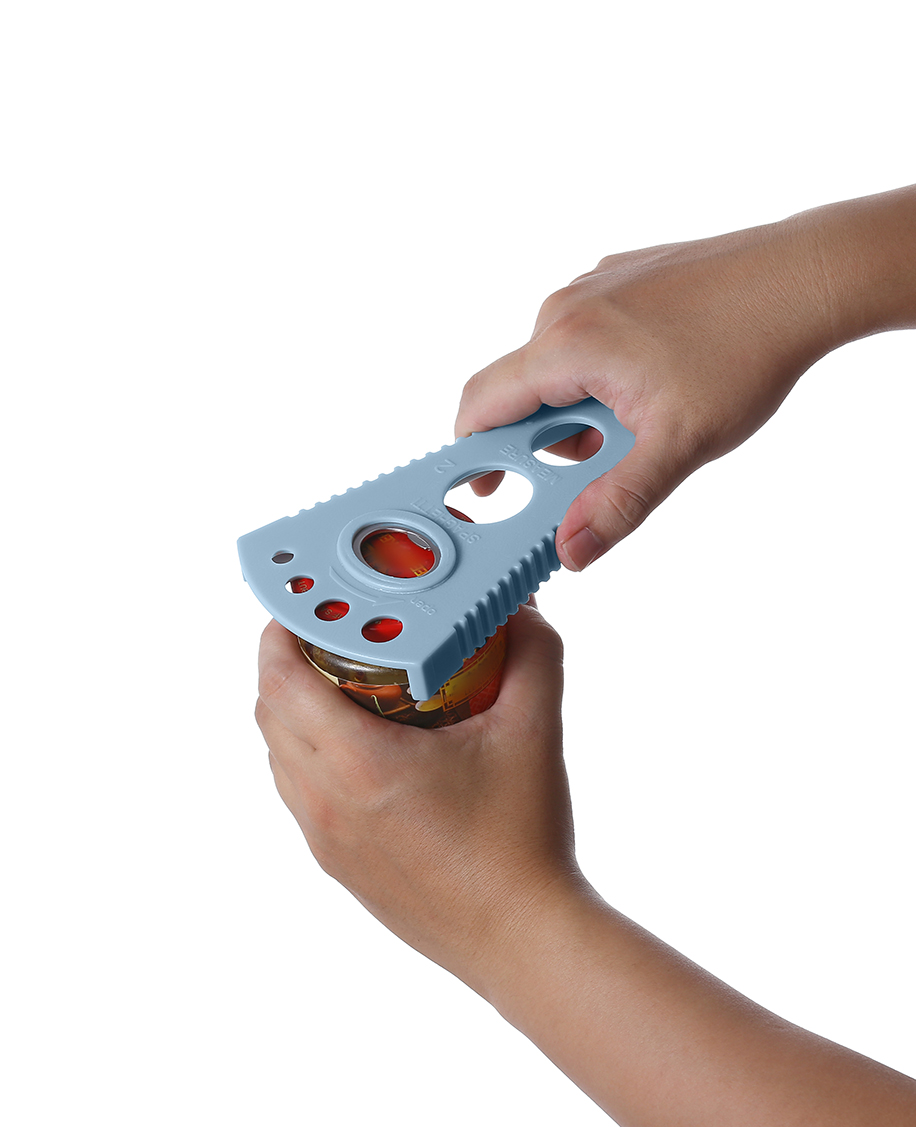
The original article mentioned a spaghetti measuring tool with a built-in can opener, designed with precision-cut apertures for portion control, a lightweight design, and an ergonomic grip. Multifunction tools can be attractive for retailers because they offer a compact solution and a clear product story. However, buyers should be careful: a combined product succeeds only when each function performs reliably.
When evaluating a multifunction design, test every feature separately. Does the spaghetti measuring section provide practical portion sizes for the intended market? Is the can opener easy to position and safe to use? Does the combined shape make cleaning, storage, or packaging more difficult? A clever idea can create sales interest, but poor usability can create complaints. For OEM projects, ask whether the factory can adjust colors, packaging, instructions, or branding, and confirm any tooling or artwork requirements in writing.
Comparison Checklist for Factory Sourcing
| Evaluation Area | Manual Can Opener | Automatic Can Opener | Questions to Ask the Factory |
|---|---|---|---|
| User need | Simple hand operation and low maintenance | Reduced effort and added convenience | Which user group is this model designed for? |
| Key performance | Smooth turning, clean cutting, stable grip | Consistent motion, safe stopping, easy setup | Can you provide sample test results or a demo video? |
| Material confirmation | Blade, gear, handle, and body materials matter | Housing, blade, motor, and battery parts matter | What materials are used in each component? |
| Quality inspection | Check sharpness, alignment, handle comfort | Check operation, safety function, power system | What inspection steps are used before shipment? |
| Customization | Color, handle design, logo, packaging may vary | Branding, instructions, packaging may vary | What OEM options, artwork rules, and lead times apply? |
OEM, Wholesale, and Packaging Questions to Prepare
Before requesting a quotation from a can opener supplier, prepare a clear buyer brief. This helps the factory quote the correct product and prevents later changes that affect cost or production time. Include your target market, expected sales channel, preferred product type, packaging format, branding needs, and any known compliance or labeling requirements.
- What can opener models are currently available for wholesale supply?
- Can the supplier provide samples for function, material, and packaging review?
- Which parts of the product can be customized: color, logo, handle, instructions, or packaging?
- What is the factory’s normal process for confirming artwork and pre-production samples?
- What quality checks are performed on cutting performance, assembly, appearance, and packaging?
- What documents can the supplier provide for the destination market, if required?
Commercial details such as MOQ, price, production lead time, and available certifications should be requested directly from the supplier. These details can vary by model, order quantity, customization level, and market requirements.
Quality Control Tips Before Shipment
Can openers are small products, but they can generate customer dissatisfaction quickly if they feel weak, slip during use, or leave rough edges. A practical inspection plan should include visual checks, functional checks, packaging checks, and random use testing. For manual models, inspectors can test repeated opening on common can sizes and check whether the handle remains comfortable. For automatic models, inspectors should follow the instruction manual exactly and confirm that the product performs as described.
Packaging is also important. Retail packaging should protect the opener during transport and explain use clearly. For e-commerce, consider whether the item can survive parcel handling. For wholesale cartons, confirm labeling, carton strength, and barcode or shipping mark requirements with the supplier before production.
Practical FAQ
What should I ask a can opener factory first?
Start with product type, target market, sample availability, materials, packaging options, and quality-control process. If you need OEM branding, ask which parts can be customized and what files the factory requires.
Are manual or automatic can openers better for wholesale?
Neither is automatically better. Manual can openers are often simpler and familiar to many users, while automatic can openers may suit convenience-focused buyers. Choose based on your sales channel, retail price point, and user expectations.
Can I assume a factory product meets my country’s regulations?
No. Always ask what documentation is available and confirm whether the exact model and packaging meet your destination market requirements. Compliance needs vary by country and product design.
How do I evaluate a multifunction can opener product?
Test each function independently. A spaghetti measuring tool with an integrated can opener, for example, should measure portions clearly and open cans safely without making the product awkward to hold or clean.
Why are samples important before placing an order?
Samples allow you to check cutting performance, grip comfort, appearance, packaging, and instruction clarity. They also help align expectations before tooling, branding, or mass production begins.
