





Chinese Factory Scissors: Kid Safety Sourcing Guide
Chinese factory scissors for children are often purchased by school suppliers, stationery brands, craft-kit companies, wholesalers, and retailers that need a safe, affordable cutting tool for supervised creative activities. The original product topic focuses on kid scissors designed with safety in mind, including child-friendly handling, rounded cutting edges, and plastic construction. For B2B buyers, however, a good purchase decision should go beyond appearance. The right sourcing process should examine usability, material questions, safety details, packaging, inspection steps, and supplier communication before placing a production order.
This guide explains how to evaluate kid safety scissors from a factory or wholesale supplier without relying on unsupported claims. Use it as a practical checklist when comparing samples, preparing an RFQ, or discussing OEM options for school, craft, or promotional channels.
Key Takeaways
- Kid scissors should be assessed for safety, grip comfort, cutting control, and age-appropriate use.
- For B2B sourcing, always request samples and confirm material, packaging, labeling, and inspection details in writing.
- Rounded or blunt blade design can reduce risk, but adult supervision and clear usage instructions still matter.
- Do not assume certifications, BPA-free status, MOQ, capacity, or compliance unless the supplier provides documentation.
- A reliable supplier should answer questions about quality control, customization limits, and defect handling before production.
What Makes Kid Scissors Different from General Scissors?
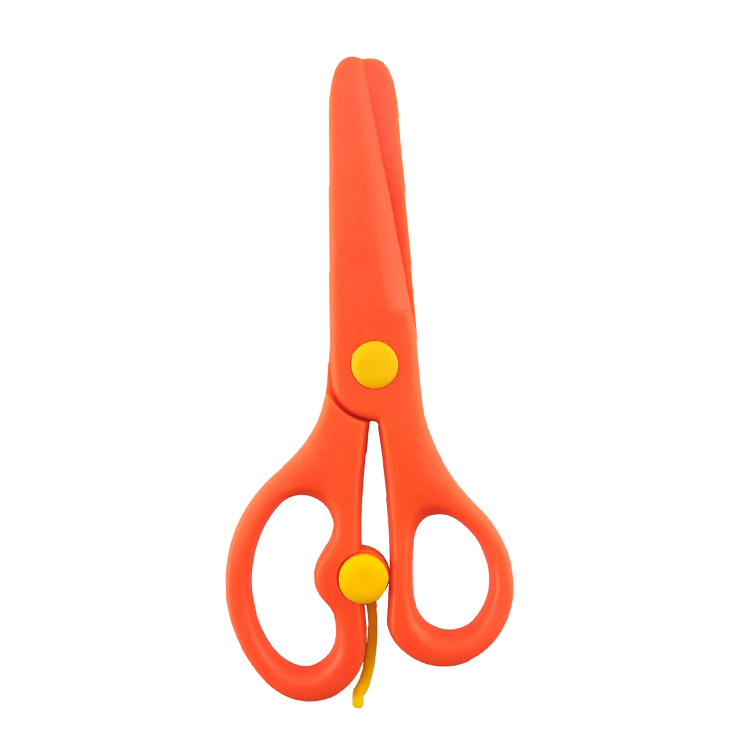
Children’s scissors are designed for early cutting practice rather than heavy-duty performance. Compared with office or kitchen scissors, kid scissors typically prioritize controlled cutting, lighter weight, and a grip that suits smaller hands. The original article highlights features such as vibrant colors, ergonomic handles, blunt or rounded blades, and a spring mechanism intended to reduce hand fatigue. These features are useful discussion points when reviewing samples from a Chinese factory.
For buyers, the key is to match the product to the intended use. Classroom scissors for paper crafts do not need the same cutting strength as adult tools. A craft-kit supplier may need predictable cutting on construction paper, while a retailer may care more about packaging presentation and clear age guidance. Before asking for a quotation, define the use case, target age range, market, sales channel, and expected materials to be cut.
Safety Features to Review Before Sourcing
Safety is the central search intent behind kid scissors. Rounded tips and blunt edges can help reduce accidental injury, especially for beginners. Full-plastic designs may be suitable for light paper-cutting activities, depending on the product structure. Some designs also use dual-loop handles for grip and control, while spring-assisted handles can help children open the scissors after each cut.
Still, buyers should avoid treating any single feature as a complete safety guarantee. Ask the supplier what age group the product is intended for, whether the scissors are for supervised use only, and what warnings or instructions are normally printed on the package. If the supplier mentions non-toxic materials, BPA-free plastic, or market-specific compliance, request supporting documents instead of relying on marketing language.
B2B Supplier Questions for Chinese Factory Scissors
When buying wholesale children’s scissors, the supplier conversation should be specific. A vague inquiry such as “send best price” usually leads to incomplete information. A stronger RFQ gives the factory enough detail to quote accurately and allows you to compare suppliers fairly.
- What materials are used for the handles, body, blade area, and spring components, if any?
- Are the scissors full plastic, plastic with metal parts, or another construction?
- What age range is the design intended for, and is adult supervision recommended?
- Can the product cut paper, cardstock, foam sheets, or only lightweight paper?
- What packaging options are available for retail, school supply, or bulk wholesale orders?
- Can the supplier provide artwork templates for OEM logo, color, or packaging customization?
- What inspections are performed before shipment, and how are defects handled?
- What documents can the supplier provide for material safety or destination-market requirements?
These questions do not require the factory to overpromise. They help you identify whether the supplier understands children’s products and can support professional purchasing requirements.
Comparison Checklist for Evaluating Samples
Before confirming a production order, order samples and test them in the context of their intended use. The table below can be used by purchasing teams, product managers, or quality inspectors during sample review.
| Evaluation Point | What to Check | Why It Matters |
|---|---|---|
| Tip and edge design | Look for rounded tips, controlled cutting edges, and no sharp burrs. | Reduces handling risk for children during supervised craft use. |
| Grip comfort | Check whether the handle shape fits small hands and allows stable control. | Poor grip can cause slipping, frustration, or uneven cutting. |
| Opening mechanism | If a spring mechanism is included, test smoothness and durability. | Helps beginners cut repeatedly, but weak springs may fail early. |
| Cutting performance | Test on the exact paper or craft material your customers will use. | Prevents mismatch between product claims and real classroom use. |
| Material and finish | Inspect for odor, rough seams, cracks, color consistency, and loose parts. | Visible defects affect safety perception and resale quality. |
| Packaging and labeling | Review age guidance, warnings, barcode placement, and brand artwork. | Retail and school channels often require clear product information. |
OEM and Wholesale Considerations
Many buyers source Chinese factory scissors for private label or wholesale distribution. Common customization discussions may include color, logo placement, card backing, blister packaging, bulk cartons, and bundled craft sets. However, customization should be confirmed case by case. Do not assume that every factory can modify the mold, adjust handle size, or change the material without affecting cost, lead time, and testing needs.
If the project involves OEM packaging for children, ask for a dieline, printing method, color proof process, and carton marking details. Also confirm whether the factory or trading partner will conduct pre-shipment inspection. For large orders, it is reasonable to define acceptable defect limits, sample approval rules, and how replacement or credit will be handled if delivered goods differ from approved samples.
Use Cases for Kid Safety Scissors
Kid scissors are commonly used in school art classes, preschool activities, home craft projects, activity kits, party craft packs, and educational supply programs. For these settings, performance should be predictable rather than aggressive. A child should be able to cut paper with reasonable effort while maintaining control.
For classrooms, buyers may prefer simple products that are easy to distribute, collect, and store. For retail, package clarity and visual appeal may matter more. For craft kits, the scissors must fit the kit size and match the materials included. In every case, the product should be positioned as a supervised children’s tool, not as a general-purpose cutting instrument.
Practical FAQ
Are plastic kid scissors suitable for all craft materials?
No. Many kid scissors are intended for paper or lightweight craft materials. Always test samples on the exact materials included in your lesson plan, kit, or retail description.
Should buyers request safety certificates?
Yes, if your destination market or sales channel requires them. Ask the supplier what documents are available and verify that they apply to the exact product, material, and production batch you plan to purchase.
Can a supplier add a private label logo?
Possibly. Logo and packaging customization depend on the supplier’s process, order quantity, artwork, and product structure. Confirm details with samples or proofs before mass production.
What is the most important sample test?
Cutting control and physical finish are both important. Test whether the scissors cut the intended paper smoothly, then inspect for rough edges, loose parts, poor spring action, or uncomfortable handles.
How should importers avoid unclear product claims?
Put every key requirement in the purchase specification. If claims such as non-toxic material, BPA-free plastic, or compliance with a standard are important, request written evidence from the supplier before ordering.
Final Sourcing Advice
Chinese factory scissors for kids can be a practical product category for schools, craft brands, and wholesale stationery programs when sourcing is handled carefully. Focus on age-appropriate design, sample testing, transparent supplier answers, and clear packaging information. A good purchase is not based on colorful appearance alone; it is based on whether the product performs safely and consistently for the child, the teacher, the parent, and the buyer’s sales channel.
