




Chinese Factory Scissors: Safe and Stylish Option for Kids
Chinese factory scissors for children are often considered by schools, craft brands, stationery distributors, and homeware buyers because they can combine child-focused design with scalable production. For parents and educators, the priority is simple: a pair of scissors should help children cut paper, classroom materials, and craft shapes with better control while reducing avoidable risk. For B2B buyers, the question is broader: how do you evaluate a supplier, confirm product details, and choose a kid-friendly model without relying only on price?
The original product presentation highlights a full plastic scissors item for children, with safety, style, and functionality as the central themes. This guide rewrites that idea into practical buying guidance. It explains what to check in a child scissors design, what to ask a factory before wholesale or OEM orders, and how schools or retailers can select scissors that fit real use cases.
Key Takeaways
- For kids, prioritize rounded tips, easy grip, controlled cutting, and age-appropriate use over aggressive blade performance.
- For wholesale sourcing, ask the supplier to confirm materials, dimensions, packaging, labeling, and quality control procedures in writing.
- Do not assume certifications, test results, or compliance status unless the supplier provides current documents for the exact product.
- Match scissors to the intended user: preschool crafts, primary school classrooms, retail stationery sets, or promotional kits may require different designs.
What Makes Kid Scissors Different?
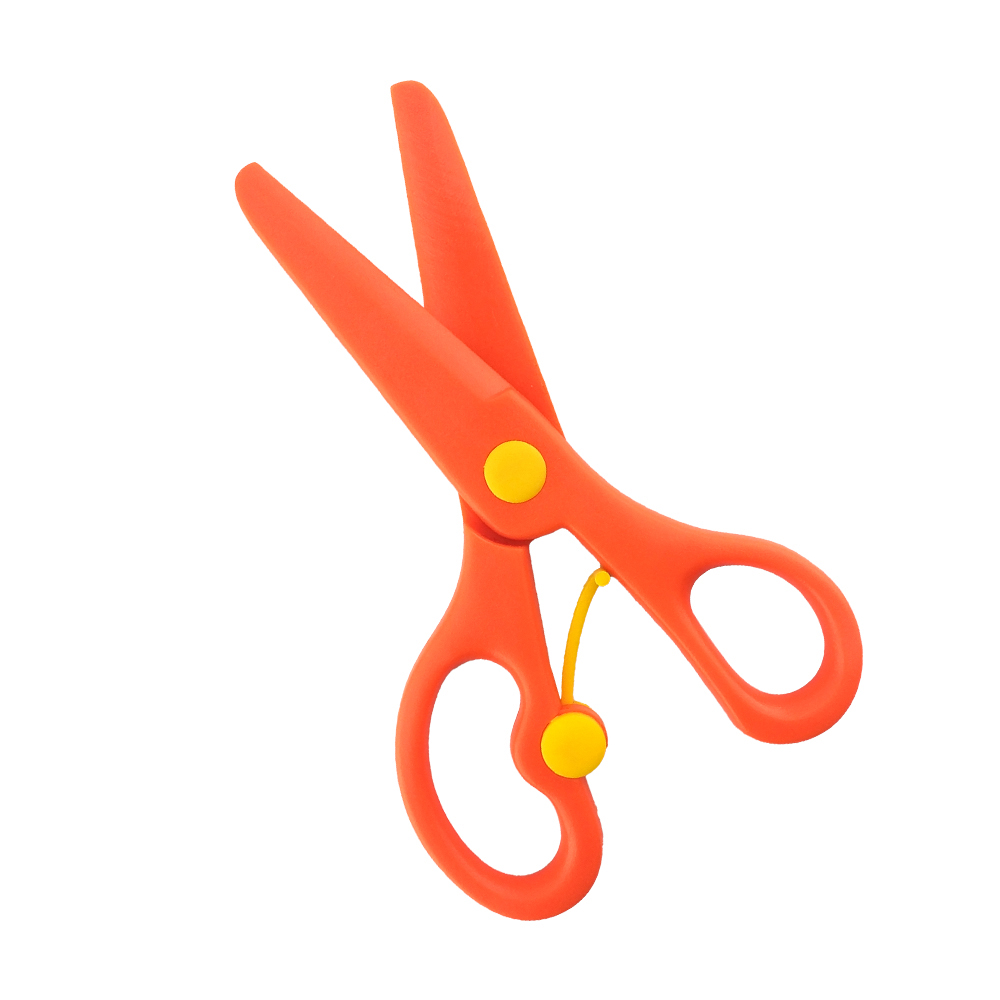
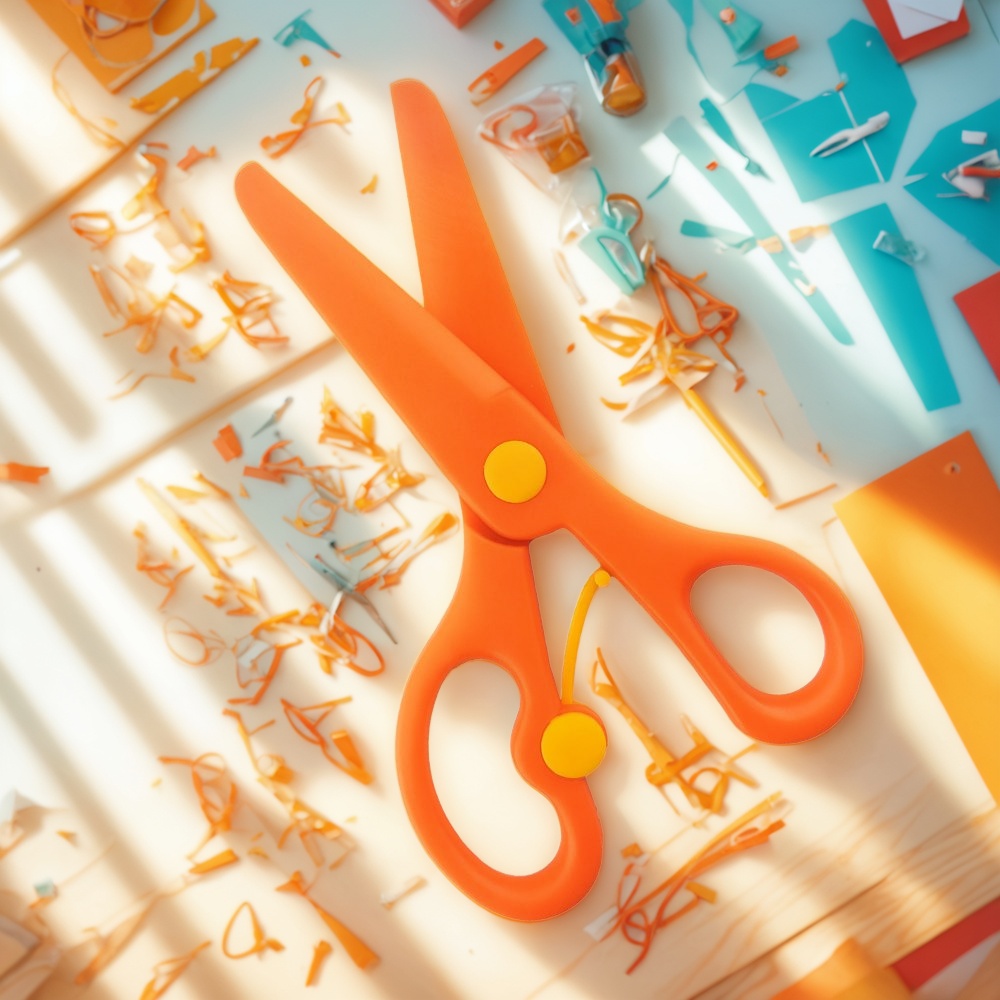
Children's scissors are not simply smaller adult scissors. The design should support developing fine motor skills and reduce common handling problems. A good child-focused model typically uses rounded or blunt tips, handles shaped for small hands, and a cutting action suitable for paper and lightweight craft materials. The original article also mentions bright handle colors such as orange and yellow, which can make scissors easier to identify in a classroom or craft box.
For younger users, control matters more than speed. If the scissors are too stiff, children may twist their wrists or apply excessive force. If they are too loose, the cut can feel unstable. Buyers should request samples and test them with the actual materials children will cut, such as printer paper, construction paper, safety worksheets, or basic craft sheets.
Safety Features to Review Before Buying
Safety is the main search intent behind kid scissors. However, terms such as safe, child-safe, or school-safe should be verified through physical review and supplier documentation. The original article refers to blunt, rounded tips and finger-friendly blades. These are useful features to inspect, but buyers should look at the whole product, not only the tip shape.
Check whether edges are smooth, handles have no sharp seams, and the pivot area does not pinch easily during normal use. If a product includes a blade-locking or storage feature, confirm how it works and whether it is practical for the target age group. If the scissors are full plastic, as the linked product name indicates, ask what the intended cutting materials are; full plastic designs may be suitable for basic craft activities but may not perform like metal-blade stationery scissors.
Comparison Checklist for Buyers
| Selection point | What to check | Questions to ask the supplier |
|---|---|---|
| Tip design | Rounded or blunt ends; no sharp points for normal handling | Can you provide close-up photos and samples of the current production version? |
| Handle comfort | Finger holes fit small hands; edges feel smooth | What age range is this model designed for, and are dimensions available? |
| Cutting performance | Cuts intended materials without excessive force | What materials has the product been tested to cut, such as paper or craft sheets? |
| Material information | Clear material description, not vague claims | What plastic or other materials are used, and can they be confirmed on the quote sheet? |
| Packaging | Suitable for retail, classroom packs, or bulk distribution | What packaging options are available, and can artwork or labeling be customized? |
| Compliance documents | Documents match the exact product and destination market | Can you provide current test reports or certificates if required by our market? |
B2B Sourcing Guidance for Factory and Wholesale Orders
When sourcing Chinese factory scissors, treat the first conversation as a specification-building process. Avoid placing an order based only on a product photo. Ask for a formal quotation that states product size, material description, colors, packaging method, carton details, lead time, payment terms, and whether OEM branding is available. If you need a specific color, logo, barcode, instruction label, or retail card, confirm it before sampling.
For distributors and school supply buyers, samples are essential. Test the sample for grip, smoothness, cutting consistency, and classroom durability. If ordering for a regulated market, ask the supplier what documents are available for the exact item. Do not assume that a similar product certificate covers your order. If compliance is critical, confirm requirements with your importer, testing lab, or legal adviser.
Quality control should also be discussed early. Buyers can ask whether pre-shipment inspection is allowed, what defect standards apply, and how color variation, handle finish, pivot tightness, and packaging defects will be handled. These questions do not require the supplier to make unsupported claims; they help you define expectations before production begins.
How to Choose Scissors for Schools, Retail, and Home Use
Different buyers need different priorities. A kindergarten or preschool program may prefer simple scissors with very limited cutting ability and easy visual identification. A primary school classroom may need scissors that cut paper cleanly enough for projects while remaining manageable for children. Retail stationery brands may focus on packaging, color assortment, and shelf presentation. Home users may want a single pair that is easy to store and comfortable for supervised craft sessions.
- Define the user's age range and dominant hand needs before requesting samples.
- List the materials children will cut most often.
- Decide whether the product will be sold individually, in sets, or in classroom packs.
- Check whether packaging needs warnings, instructions, barcodes, or local-language labels.
- Review samples with real users or educators when possible.
Use and Care Tips for Parents and Educators
Even child-friendly scissors should be used with adult guidance, especially with younger children. Teach children to sit while cutting, keep fingers away from the cutting path, and pass scissors handle-first. Store scissors in a designated container after use so they are not left on floors, chairs, or inside mixed toy boxes.
Clean scissors according to the supplier's care instructions. If adhesive, paper dust, or craft residue builds up around the pivot, cutting may become uneven. Replace scissors that develop cracks, rough edges, loose joints, or any condition that makes them harder to control. For classrooms, labeling scissors by group or table can reduce loss and help teachers monitor product condition.
Common Mistakes to Avoid
The biggest mistake is choosing only by the lowest unit price. Low-cost scissors that are uncomfortable, poorly finished, or unsuitable for the intended age group can lead to returns, complaints, or classroom frustration. Another mistake is assuming that all kids scissors are the same. A full plastic craft scissor, a plastic-handle metal scissor, and a decorative promotional scissor may serve different purposes.
Buyers should also avoid vague purchase orders. If color, packaging, logo placement, or labeling matters, include those details in the confirmed specification. Keep approved samples for comparison with mass production, and ask for updated photos if any component changes before shipment.
FAQ
Are Chinese factory scissors suitable for children?
They can be suitable when the design, materials, finishing, and documentation match the intended age group and market. Buyers should inspect samples rather than relying only on product descriptions.
What features should I look for in safety scissors for kids?
Look for rounded tips, smooth edges, comfortable handles, controlled cutting action, and packaging or instructions appropriate for children. Confirm any special safety claims with the supplier.
Can I order kid scissors with custom colors or branding?
Many factories may offer customization, but availability depends on the supplier and order details. Ask about color options, logo methods, packaging artwork, sample approval, lead time, and any MOQ before ordering.
What should schools check before bulk buying?
Schools should test samples for grip, ease of use, durability during normal craft activities, and storage convenience. They should also confirm whether the scissors fit the age group and classroom supervision policy.
Do child scissors require compliance documents?
Requirements depend on the destination market, sales channel, and product classification. Ask the supplier for documents for the exact product and confirm with a qualified testing or compliance professional when needed.
