




Classic Household Scissors: Practical Buying and Care Guide
Classic household scissors are simple tools, but choosing the right pair can make daily cutting tasks cleaner, safer, and less tiring. A good pair may be used for opening packaging, trimming paper, cutting thread, preparing craft materials, or handling light kitchen and household chores. Because the search intent behind household scissors is usually practical, this guide focuses on selection, comfort, safe use, and maintenance rather than decorative claims.
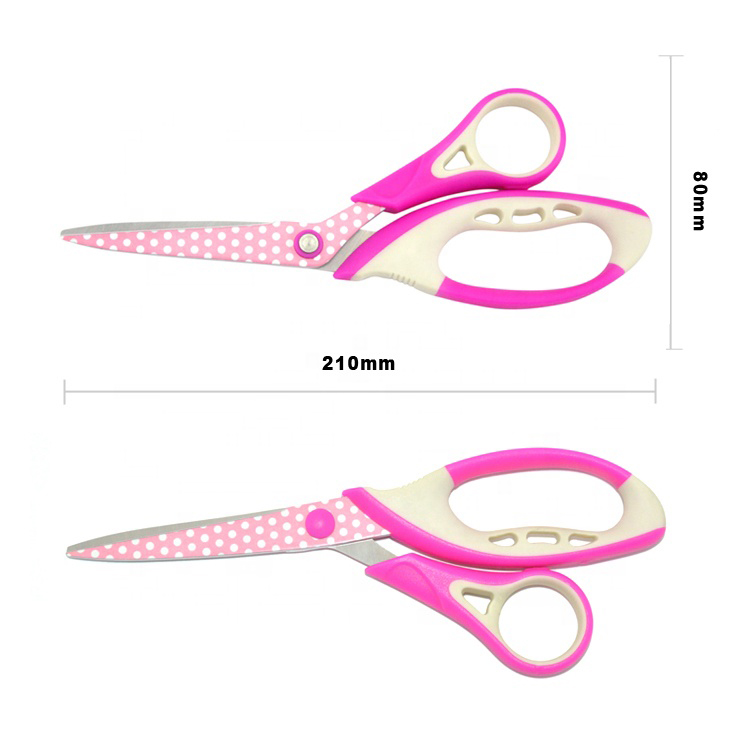
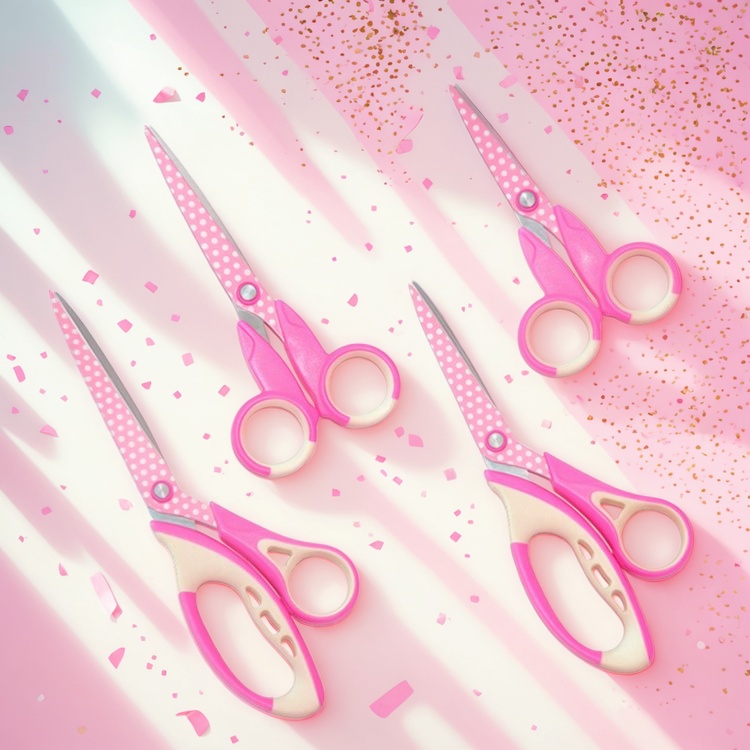
The original article highlighted everyday precision, reliability, series scissors, sharp cutting performance, ergonomic handles, soft rubber grips, and a Pink Polka Dot Scissors Collection. Those are useful starting points. The key is to match those visible or stated features with the tasks you actually perform at home.
Key Takeaways
- Choose household scissors by task first: paper, craft materials, thread, packaging, or light kitchen use.
- Sharp blades matter because they reduce tearing, slipping, and repeated cutting attempts.
- Handle comfort is important if you cut for more than a few minutes at a time.
- Decorative designs, such as polka dot handles, are useful only when the tool still feels stable and controlled.
- Ask the supplier clear questions about blade material, care instructions, and intended use before buying in volume.
What Makes Household Scissors Different?
Household scissors are designed for general use rather than one specialist job. Unlike dressmaking shears, pruning shears, or heavy kitchen poultry scissors, they usually serve a broad range of light to medium tasks. That versatility is their main advantage, but it also means buyers should avoid assuming that one pair can cut every material safely.
For typical home use, the most important qualities are blade sharpness, comfortable grip, smooth opening and closing, and controlled cutting. If the scissors pull at paper, snag thread, or make your hand work too hard, they are not performing well for everyday use.
Common Uses Around the Home
A practical pair of classic household scissors can support many routine tasks. They may help with school projects, gift wrapping, simple sewing repairs, paper crafts, label trimming, opening lightweight packaging, and organizing household supplies. Some users also keep a pair near the kitchen for non-food packaging tasks, though scissors used around food should be cleaned carefully and kept separate when hygiene matters.
For craft use, clean tips and predictable blade alignment are especially helpful. For packaging, strength and grip stability become more important. For paper and thread, sharpness is essential because dull scissors often fold or chew the material instead of cutting it cleanly.
Blade and Cutting Performance
The original content referred to sharp scissors for home use and mentioned stainless steel blades as a common feature in many household scissors. If a product description states stainless steel, buyers should still check what care is recommended, because stainless steel is not the same as maintenance-free. Water, adhesive residue, and improper storage can still affect performance over time.
When evaluating cutting performance, consider how the scissors behave at three points: near the pivot, along the middle of the blade, and at the tip. A reliable pair should cut consistently without requiring excessive pressure. If the tips do not meet accurately, detailed trimming may be difficult. If the pivot is too loose, the blades may separate during cutting; if it is too tight, hand fatigue can increase.
Handle Comfort and Control
The original article noted ergonomic handles and soft rubber grips in connection with a Pink Polka Dot Scissors Collection. These features can be useful when they improve control and reduce hand strain. Handle shape affects how naturally the scissors sit in your hand, while grip texture affects stability during repeated cuts.
For home users, comfort is not only about softness. A handle should provide enough room for the fingers, avoid sharp pressure points, and allow a controlled motion. If more than one person will use the scissors, consider whether the handle works for different hand sizes. Left-handed users should also confirm whether the product is suitable for them rather than assuming it is universal.
Comparison Checklist for Selecting Household Scissors
| Selection Factor | What to Check | Why It Matters |
|---|---|---|
| Primary task | Paper, thread, craft, packaging, or general chores | Prevents choosing scissors that are too light or too heavy for the job |
| Blade sharpness | Clean cut from base to tip | Reduces tearing, slipping, and repeated cutting |
| Blade material | Confirm stated material and care guidance | Helps set realistic expectations for cleaning and storage |
| Handle design | Ergonomic shape, grip texture, finger room | Improves control and reduces fatigue |
| Pivot action | Smooth opening and closing without wobble | Supports accuracy and safer handling |
| Visual design | Color, pattern, and easy identification | Useful for assigning scissors to a room or task |
How to Use Household Scissors Safely
Even everyday scissors deserve careful handling. Store them closed, keep them away from young children unless supervised, and avoid using them on materials beyond their intended range. Cutting wire, thick plastic, or hard packaging with standard household scissors can damage the blades or cause slipping.
- Use the full blade length rather than forcing only the tip through tough material.
- Keep fingers away from the cutting path, especially when trimming small items.
- Do not run with scissors or leave them open on a table edge.
- Clean adhesive residue after cutting tape or labels.
- Keep a dedicated pair for craft or paper use if you want cleaner results.
Care Tips to Keep Scissors Cutting Cleanly
Good care extends the useful life of household scissors. Wipe blades after use, especially after cutting sticky tape, wet packaging, or materials that leave dust. Dry the scissors before storing them. If the pivot becomes stiff, check the supplier's care instructions before applying any lubricant, because recommendations can vary by construction and handle material.
Storage also matters. Tossing scissors into a crowded drawer can dull tips or damage other items. A drawer divider, tool cup, craft box, or protective sleeve can help keep the blades aligned and easy to find. If you own several pairs, label them by use: paper, craft, household packaging, or kitchen-area packaging.
Questions to Ask Before Buying from a Supplier
If you are sourcing household scissors for resale, office kits, school supplies, promotional sets, or homeware assortments, ask practical questions before placing an order. Do not rely only on photos or decorative descriptions.
- What blade material is specified, and what care instructions are provided?
- Are the handles designed for right-handed, left-handed, or general use?
- What materials are the scissors intended to cut?
- Is there a sample available for cutting and grip evaluation?
- How are the scissors packaged for retail display or storage?
- What quality checks are performed for blade alignment and pivot movement?
These questions are especially important when comparing series scissors, because different models in the same range may vary by size, handle design, finish, or intended task.
FAQ
Can one pair of household scissors handle every home task?
Usually no. A general pair is useful for paper, thread, light packaging, and crafts, but heavy materials can damage the blades. Keep specialist tools for tougher jobs.
Are sharp scissors safer than dull scissors?
Sharp scissors can be safer when used correctly because they require less force and are less likely to slip. They still need careful storage and supervised use around children.
How do I know if the handle is comfortable?
Check whether your fingers fit naturally, whether the grip feels stable, and whether the scissors open and close smoothly without pinching or pressure points.
Should I choose decorative scissors for home use?
A decorative design, such as a polka dot pattern, can make scissors easy to identify, but cutting performance and comfort should come first.
How should I clean household scissors?
Wipe the blades after use, remove adhesive residue, dry them before storage, and follow the supplier's care guidance for the pivot and handle materials.
