




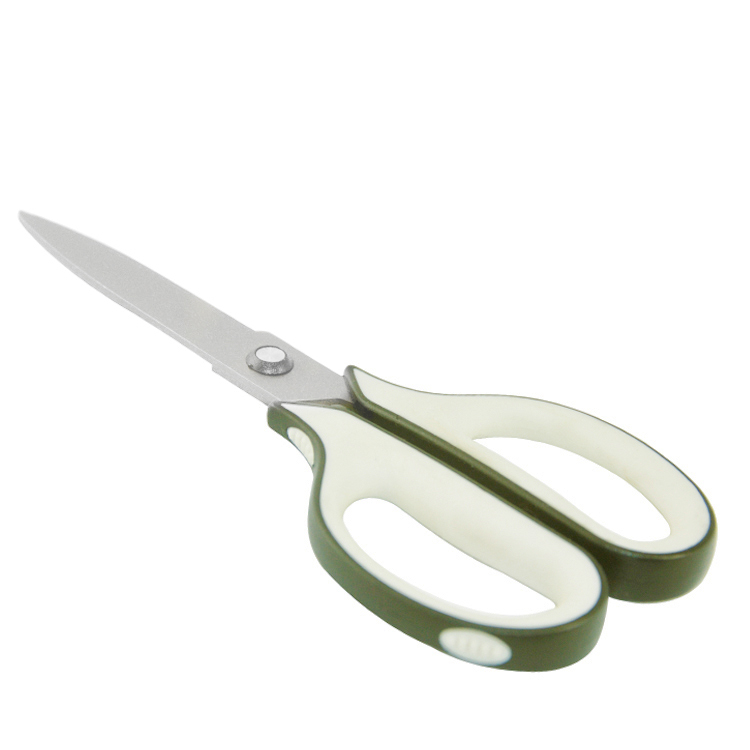
Colored Office Scissors China: Practical Sourcing Guide
Colored office scissors are simple products, but buying them well still requires careful selection. For schools, offices, stationery wholesalers, promotional distributors, and retail buyers, color can improve visibility, help organize shared workspaces, and make basic cutting tools easier to identify. The original article highlights common uses such as paper cutting, crafting, classroom projects, administrative tasks, and home office work. This guide expands that topic with practical sourcing advice for buyers evaluating colored office scissors from China.
The goal is not to choose scissors only by appearance. Buyers should compare comfort, blade performance, safety, packaging, consistency, and supplier communication before placing an order. Because exact materials, certifications, test results, prices, and minimum order quantities vary by supplier, those details should be confirmed directly rather than assumed.
Key Takeaways
- Colored office scissors are useful for schools, offices, craft areas, and retail stationery assortments.
- Color helps with visibility and workspace organization, but blade quality and handle comfort matter more for repeat use.
- For B2B sourcing, request samples, packaging details, product photos, and written specifications before confirming bulk orders.
- Ask suppliers clear questions about materials, sharpness retention, corrosion resistance, safety requirements, and quality control.
Where Colored Office Scissors Are Used
Colored office scissors are commonly used for everyday tasks rather than heavy-duty cutting. Typical applications include trimming paper, opening envelopes, cutting labels, preparing classroom projects, working with photos, and light crafting. In offices, bright handle colors make scissors easier to find in drawers, reception desks, copy rooms, and shared supply areas. In schools, color options can help teachers separate scissors by class, age group, or activity station.
For wholesalers and importers, the appeal is broad. A single product can serve school supply buyers, office supply retailers, gift and promotional channels, and online stationery stores. However, different channels may need different priorities. A school buyer may focus on safety and comfort. A corporate buyer may prefer neutral or branded colors. A retailer may care more about shelf packaging and barcode readiness.
Product Features to Compare Before Ordering
When reviewing school and office scissors, separate visible features from performance features. Handle color is easy to evaluate from photos, but cutting feel, blade alignment, screw tension, and grip comfort must be checked with samples. The original article mentions comfortable grips and ergonomic office scissors designed to reduce hand strain. That is useful, but buyers should verify the handle shape and size for the intended user group.
Consider these selection points:
- Intended user: Are the scissors for adults, students, general office staff, or craft users?
- Cutting material: Will they mainly cut paper, card, photos, labels, or lightweight packaging?
- Handle design: Is the grip comfortable for repeated cutting, and does it suit left-hand or right-hand users?
- Blade finish: Ask the supplier what blade material and finish are used, and whether corrosion resistance has been tested.
- Tip shape: Rounded tips may be preferred for younger users, while pointed tips may suit precision office tasks.
- Packaging: Confirm whether the scissors are supplied in bulk, blister cards, display boxes, or customized retail packaging.
Comparison Checklist for B2B Buyers
The table below can help buyers compare quotations from different office scissors suppliers. It is especially useful when several products look similar in photos but differ in construction, packaging, or inspection standards.
| Item to Check | Why It Matters | Questions to Ask the Supplier |
|---|---|---|
| Blade performance | Determines cutting smoothness and user satisfaction | What material is used for the blades? Can samples be tested on paper and light craft materials? |
| Handle comfort | Affects fatigue during repeated office or classroom use | Is the handle described as ergonomic? What sizes and handle shapes are available? |
| Color consistency | Important for retail sets, branding, and repeat orders | Can the supplier match specific colors? How is color consistency controlled across batches? |
| Safety details | Important for school and youth markets | Are rounded-tip options available? What safety requirements apply in the destination market? |
| Packaging | Affects retail presentation, shipping protection, and labeling | What packaging formats are available? Can barcodes, labels, or multilingual text be added? |
| Quality control | Reduces risk of loose screws, uneven blades, or poor finish | What inspection steps are used before shipment? Can an inspection standard be agreed in writing? |
How to Evaluate Samples
Samples are essential because small differences can affect the user experience. When samples arrive, test more than one pair if possible. Open and close the scissors repeatedly to check smoothness. Cut straight lines and curves through ordinary office paper. Try several sheets if that reflects your intended use, but avoid assuming the product is suitable for heavy materials unless the supplier confirms that purpose.
Also inspect the finish. Look for burrs, rough plastic edges, loose screws, uneven blade alignment, and color marks. Check whether the handle fits comfortably in the hand and whether finger openings are appropriate for the target users. For classroom use, ask teachers or staff to test the sample in real working conditions. For retail, place the packaged sample on a shelf or display area and evaluate how clearly the product information is presented.
Supplier Questions That Reduce Sourcing Risk
When sourcing colored office scissors from China, clear communication is more useful than broad claims. Avoid relying only on phrases such as high quality, durable, or premium. Instead, ask for written, specific details that can be confirmed before production.
- What blade material, handle material, and surface finish are used?
- Are different sizes, colors, or tip shapes available?
- Can the supplier provide product drawings, packaging dimensions, and carton details?
- What is the minimum order quantity for standard colors and for custom colors?
- What lead time applies to samples, production, packaging approval, and shipment?
- Can the order be inspected before shipment, and what defects are considered major or minor?
- Are there any compliance or labeling requirements for the destination market that the buyer must confirm?
These questions help both sides avoid misunderstandings. If the order is for a regulated school or children’s market, the buyer should independently confirm applicable legal requirements with qualified compliance support. Do not assume a product is compliant based only on its appearance or a general catalog description.
Packaging and Assortment Planning
Packaging should match the sales channel. Bulk-packed scissors may suit internal office supply programs or institutional buyers. Retail buyers may need individual packaging with clear product information. Online sellers may prioritize compact packaging that protects the product during parcel delivery. Promotional buyers may need color assortments that align with a campaign or brand palette.
For color assortments, define the ratio clearly. For example, do not simply request mixed colors if the final mix matters. State the required quantities per color, whether substitutions are allowed, and how color variation will be handled. If branding or customized packaging is needed, ask what files, color references, and approval samples are required before mass production.
Practical FAQ
Are colored office scissors only for schools?
No. They are used in schools, offices, reception areas, craft rooms, home offices, retail stationery sections, and promotional supply programs. Schools may value easy identification and safety options, while offices may focus on comfort and reliable cutting for daily tasks.
What should buyers confirm before ordering from a scissors supplier?
Confirm the blade and handle materials, available sizes, handle colors, tip style, packaging format, labeling options, lead time, minimum order quantity, inspection process, and any destination-market requirements. Ask for samples before committing to a bulk order.
How can I judge whether ergonomic office scissors are comfortable?
Review the handle shape, finger opening size, surface finish, and cutting motion. The best method is sample testing by the intended users. Comfort can vary depending on hand size, cutting frequency, and whether the scissors are used for short tasks or long sessions.
Can suppliers make custom colors or packaging?
Many suppliers may offer color or packaging options, but availability, cost, minimum quantity, and lead time vary. Ask the supplier directly and request artwork requirements, approval samples, and written confirmation before production.
Final Thoughts
Colored office scissors from China can be a practical category for B2B buyers when sourced with care. Their value comes from everyday usefulness, visible colors, comfortable handling, and consistent performance. Instead of choosing only by price or appearance, compare samples, ask specific supplier questions, and define packaging and inspection requirements in writing. That approach helps buyers build a more reliable office or school scissors assortment for their target market.
