




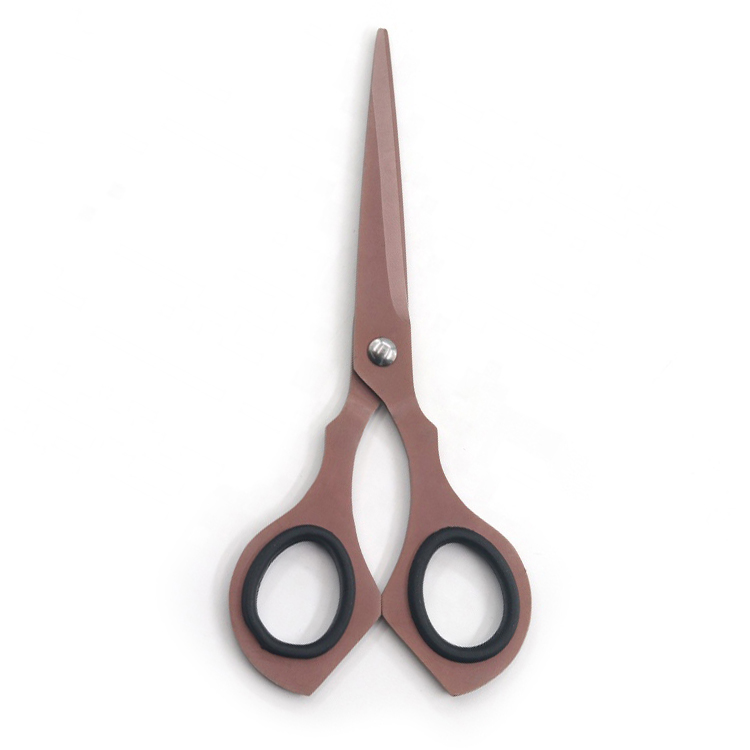
Colorful Stationery Scissors: A Practical Buying Guide
Colorful stationery scissors are more than a bright desk accessory. For many artists, students, teachers, office users, and crafters, they are everyday tools that need to cut cleanly, feel comfortable, and be easy to find in a busy workspace. A colorful handle or a matte rose gold finish can add personality, but the best choice still depends on blade quality, grip comfort, intended materials, and safe use.
This guide explains how to evaluate colorful stationery scissors for common creative and office tasks. It also covers practical care habits that help scissors stay useful for longer, especially when they are used for paper crafts, labels, packaging, classroom projects, or light fabric work.
Key Takeaways
- Choose scissors based on the materials you cut most often, not color alone.
- Stainless steel blades, when specified, are a practical option for clean cutting and daily use.
- An ergonomic grip can reduce hand strain during long crafting or office sessions.
- Keep separate scissors for paper, fabric, tape, and adhesive materials whenever possible.
- Before buying in quantity, test comfort, blade alignment, and cutting performance.
What Makes Colorful Stationery Scissors Useful?
The appeal of colorful stationery scissors is partly visual. Bright colors make tools easier to locate in drawers, pencil cases, craft carts, and shared classrooms. They can also help households or teams assign scissors by user, task, or department. For example, one color can be used for paper cutting while another is reserved for gift wrap or labels.
However, appearance should support function rather than replace it. Good stationery scissors should open and close smoothly, cut without forcing the hand, and maintain control on straight and curved cuts. For creative users, details such as handle shape, blade length, tip control, and weight can make a noticeable difference during repeated cutting.
How to Choose the Right Pair for Your Tasks
Start with the material you cut most frequently. If your work is mainly paper, cardstock, labels, or envelopes, general stationery scissors may be enough. If you also cut fabric for simple crafts, ribbons, or decorative projects, look for a pair described as suitable for fabric and paper, and avoid using it on sticky or gritty materials that can dull the edge.
Blade material is another key point. The original product description mentions durable stainless steel blades, which is a useful feature for everyday craft and stationery scissors. Stainless steel is commonly chosen because it resists corrosion better than many basic metals and can provide reliable cutting performance when properly maintained. Still, buyers should check the supplier’s exact product description before assuming blade thickness, hardness, coating, or sharpening method.
Handle comfort matters just as much. A pair with an ergonomic grip may help minimize hand strain during long cutting sessions. This is especially important for teachers preparing classroom materials, designers working on mockups, or hobbyists spending an afternoon on DIY projects.
Comparison Checklist for Colorful Stationery Scissors
| Feature to Check | Why It Matters | Practical Buying Tip |
|---|---|---|
| Blade material | Affects cutting quality, durability, and care needs. | Confirm whether the blades are stainless steel or another material before purchase. |
| Handle design | Influences comfort, grip, and control. | Look for an ergonomic grip if you cut for long periods. |
| Blade alignment | Poor alignment can bend paper or create ragged edges. | Open and close the scissors to check smooth contact along the blades. |
| Tip shape | Sharp tips help with detailed cuts; rounded tips may suit classrooms. | Match tip style to the user and setting. |
| Color or finish | Improves visibility and supports workspace organization. | Choose different colors for different tasks or users. |
| Intended materials | Not every pair is suitable for fabric, cardboard, or adhesive tape. | Check the product description and avoid overloading light stationery scissors. |
Where Designer Craft Scissors Fit In
The original article refers to Designer Craft Scissors with a chic matte finish in rose gold. It also describes an ergonomic grip for reducing hand strain and durable stainless steel blades for clean cutting. These details suggest a product aimed at users who want a more refined look without giving up everyday practicality.
For users in fashion, crafts, interior decor, or DIY projects, a balanced and symmetrical design can support better handling when cutting patterns, paper templates, or decorative materials. The key is to treat the scissors as a precision stationery tool rather than a heavy-duty shop tool. If you need to cut thick board, wire, plastic sheet, or dense fabric layers, choose a tool specifically designed for those materials.
Use Tips for Cleaner, Safer Cutting
Even well-made scissors perform better when used correctly. Avoid twisting the blades while cutting, because sideways pressure can affect alignment. For straight lines, use the full length of the blade in steady motions. For curves and small details, make shorter cuts and rotate the material rather than forcing the scissors around the curve.
- Keep paper scissors separate from fabric scissors to protect the cutting edge.
- Do not use stationery scissors to cut wire, pins, staples, or hard plastic.
- Wipe adhesive residue from blades after cutting tape or labels.
- Store scissors closed to protect the blade tips and reduce accidents.
- Keep scissors dry, especially around the pivot area.
In shared spaces, consider labeling scissors by task. This simple habit prevents a favorite craft pair from being used on rough packaging or glue-covered materials.
Care and Maintenance Basics
Colorful stationery scissors do not require complicated maintenance, but small habits help preserve their performance. After use, wipe the blades with a dry or slightly damp cloth, then dry them fully. If adhesive builds up, use an appropriate cleaner carefully and avoid soaking the handle or pivot unless the manufacturer says it is safe.
If the scissors begin to feel stiff, inspect the pivot for dust, paper fibers, or dried glue. Some scissors have an adjustable screw, while others are fixed. Do not force adjustment if the design is not intended for it. If cutting becomes ragged, the issue may be dull blades, poor alignment, or unsuitable materials.
When Buying for School, Office, or Craft Groups
For group use, comfort and consistency matter. A colorful set can help users quickly identify their tools, but buyers should still ask practical questions: Are the scissors intended for left-handed or right-handed users? Are the tips suitable for the age group? What materials are they recommended to cut? Is the handle comfortable for extended use? Are replacement or bulk options available?
If purchasing from a supplier, ask for clear product information rather than relying only on images. Useful questions include blade material, handle material, overall length, intended applications, packaging options, and care instructions. Avoid assuming certifications, test results, or specific performance claims unless the supplier provides documentation.
FAQ
Are colorful stationery scissors only for children?
No. Colorful scissors are useful for adults, students, teachers, designers, and office users. Color can improve visibility and organization, while the right blade and handle design support practical cutting tasks.
Can I use stationery scissors on fabric?
Some craft scissors are described as suitable for paper and fabric, but not all stationery scissors are made for fabric. If you cut fabric often, keep a dedicated pair and avoid using it on tape, cardboard, or rough materials.
What is the benefit of stainless steel blades?
When a product specifies stainless steel blades, it generally indicates a blade material chosen for everyday durability and corrosion resistance. Exact performance still depends on blade design, thickness, sharpening, and use.
How do I stop scissors from getting sticky?
Wipe the blades after cutting tape, stickers, or labels. Remove adhesive residue promptly and dry the scissors before storage. Keeping one pair for adhesive materials can protect your main craft scissors.
What should I check before buying colorful scissors online?
Review the product description for blade material, size, handle style, intended use, and safety details. If buying multiple pairs, ask the supplier for additional specifications or samples when possible.
