




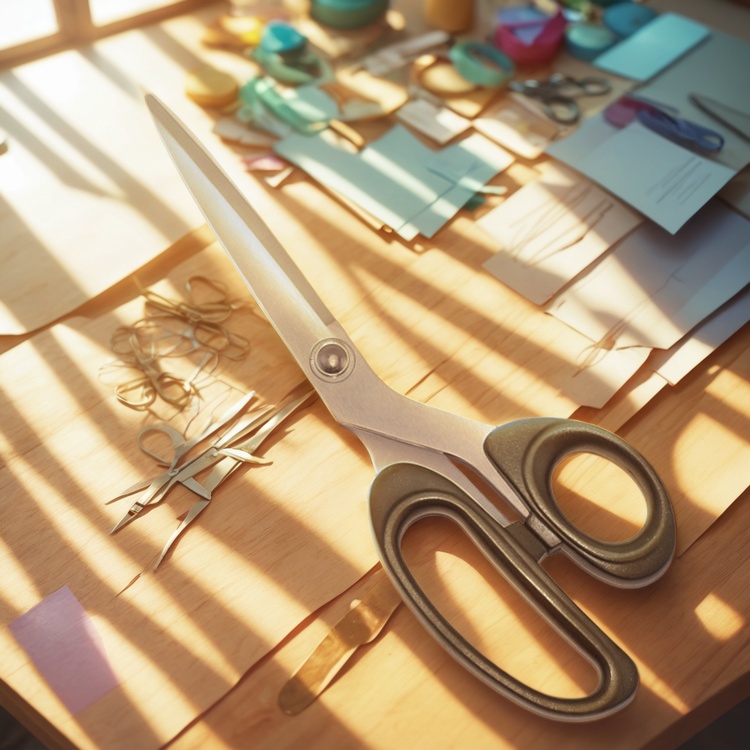
Crafting Perfection with Tailoring Utility Scissors
Tailoring utility scissors are a core cutting tool for sewing rooms, alteration desks, craft studios, and home repair kits. A good pair should cut cleanly, feel controlled in the hand, and remain comfortable through repeated use. The Stainless Steel Precision Scissors shown here are designed for tailoring, craft, and everyday cutting tasks, with features such as stainless steel blades, ergonomic handles, a matte powder-coated finish, and an adjustable pivot screw.
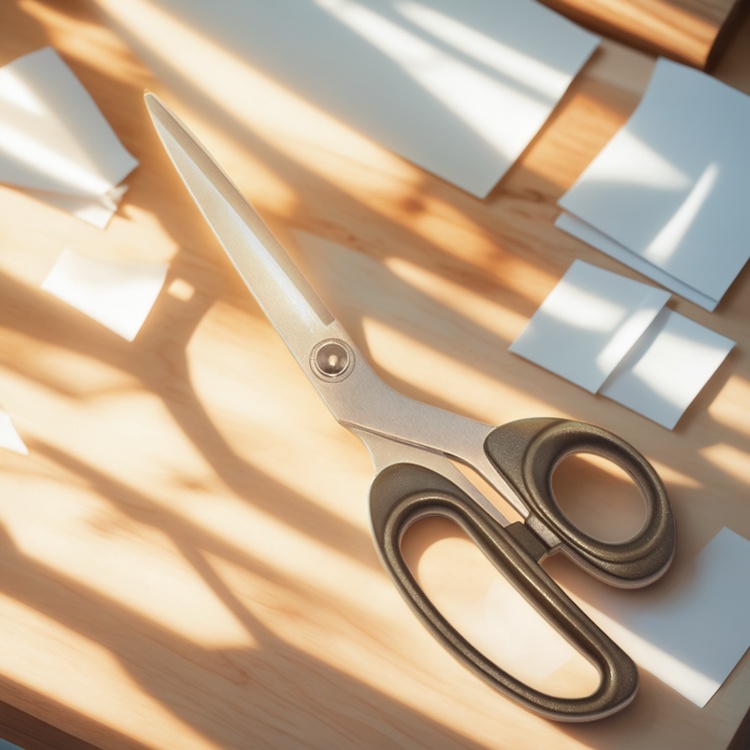
Choosing scissors is not only about sharpness. Buyers should also consider blade length, handle comfort, tension control, material compatibility, care requirements, and whether the tool suits occasional use or regular production work. This guide explains how to evaluate tailoring utility scissors without relying on vague claims or unnecessary features.
Key Takeaways
- Tailoring utility scissors should deliver clean cuts, comfortable handling, and stable blade movement.
- Stainless steel blades can offer durability and rust resistance when properly maintained.
- An adjustable pivot screw helps users fine-tune blade tension for different cutting preferences.
- Ergonomic handles matter most when scissors are used for long sessions or repetitive tasks.
- For wholesale or OEM sourcing, buyers should ask suppliers clear questions about materials, packaging, tolerances, and quality checks.
What Makes Tailoring Utility Scissors Different?
Tailoring utility scissors sit between dedicated dressmaking shears and general household scissors. They are intended to handle fabric cutting while remaining practical for craft paper, thread trimming, pattern work, and light everyday tasks. For tailors and hobbyists, this versatility can reduce the need to switch tools during a project.
The original product description highlights stainless steel construction, sharp blades, ergonomic tailor-scissor styling, lightweight durable handles, and an adjustable pivot screw. These are useful details because each affects how the scissors perform in real work. Blade material influences edge retention and corrosion resistance. Handle design affects comfort. Pivot adjustment influences the smoothness and pressure of each cut.
Blade Material, Sharpness, and Cutting Control
Stainless steel precision scissors are commonly chosen because stainless steel is resistant to rust and suitable for repeated handling. In practice, rust resistance does not mean the scissors should be stored wet or exposed to moisture for long periods. Wiping the blades after use and keeping them dry helps maintain performance.
Sharp blades are especially important when cutting fabric. Dull scissors can pull fibers, create jagged edges, or force the user to squeeze harder than necessary. For tailoring tasks, clean blade alignment is just as important as the edge itself. If the blades do not meet evenly, thin fabric may fold or slip instead of cutting cleanly.
The adjustable pivot screw mentioned in the source article is a practical feature. It allows users to customize blade tension. A slightly tighter pivot may feel more controlled for fabric, while a looser setting may be preferred for quick craft cuts. The best setting is the one that cuts cleanly without requiring excessive hand pressure.
Ergonomic Handles and Comfort During Long Sessions
Comfort is often underestimated until a project involves repeated cutting. Ergonomic tailor scissors are designed to reduce strain by supporting a natural grip and distributing pressure more evenly across the fingers. The described model includes lightweight, durable handles with a matte powder coating, which can help provide a more secure feel during use.
When comparing scissors, users should pay attention to handle opening size, finger spacing, balance, and the smoothness of the closing motion. A handle that is too small may pinch the fingers, while one that is too large may reduce control. For professional alteration work or batch crafting, small comfort differences can become significant over a full day.
Comparison Checklist for Selecting Scissors
| Selection Point | Why It Matters | What to Check Before Buying |
|---|---|---|
| Blade material | Affects durability, corrosion resistance, and maintenance needs | Confirm whether the blades are stainless steel and ask how they should be cared for |
| Blade sharpness | Determines how cleanly fabric, thread, or craft materials cut | Ask whether the scissors are suitable for the materials you plan to cut |
| Pivot adjustment | Controls tension and cutting feel | Look for an adjustable pivot screw if you prefer customizable blade movement |
| Handle design | Impacts comfort during repeated use | Check grip shape, coating, weight, and finger clearance |
| Intended use | Prevents using one tool for unsuitable materials | Separate fabric scissors from heavy-duty or abrasive cutting tasks when possible |
| Supplier information | Important for wholesale, OEM, or repeat purchasing | Ask about packaging, sample policy, quality checks, and replacement procedures |
Best Uses for Tailoring and Craft Projects
Tailoring utility scissors are useful for many common tasks, including cutting fabric panels, trimming seam allowances, shaping craft materials, opening thread bundles, and handling pattern-related work. They can also serve as dependable everyday scissors in a sewing kit or workshop drawer.
For best results, match the scissors to the material. Delicate fabrics often need a controlled, smooth closing action. Thicker materials may require more hand force and sharper blades. If a material feels too resistant, do not force the cut; forcing can damage the edge, strain the pivot, or make the cut inaccurate.
- Use long, steady strokes for straight fabric cuts.
- Use the blade tips carefully for small notches and detail work.
- Keep fabric flat and supported to avoid shifting.
- Avoid cutting wire, hard plastic, or abrasive materials unless the supplier confirms suitability.
- Store the scissors separately from tools that can nick the blades.
Care and Maintenance Tips
Even well-made tailoring scissors need basic care. After cutting fabric or craft materials, wipe the blades with a dry cloth to remove lint, adhesive residue, or moisture. If the scissors become stiff, check whether the pivot screw needs minor adjustment. Do not overtighten it; the blades should open and close smoothly without wobbling.
Keep tailoring scissors dedicated to fabric whenever possible. Paper, cardboard, and synthetic materials can dull the edge faster than expected. If you need one pair for mixed use, choose utility scissors with that purpose in mind and accept that sharpening or replacement may be needed sooner.
Storage also matters. A pouch, sleeve, or dedicated drawer space helps protect the blade tips and prevents accidental drops. If the scissors are used in a shared workspace, labeling them for fabric or tailoring use can prevent misuse.
Wholesale and OEM Sourcing Questions
For retailers, sewing-kit brands, craft distributors, or promotional product buyers, tailoring utility scissors can be sourced as a single product or as part of a broader tool range. Before placing a wholesale or OEM order, avoid assumptions and ask specific supplier questions. Commercial details such as minimum order quantity, lead time, customization options, packaging choices, inspection process, and sample availability should be confirmed directly with the supplier.
Buyers should also ask how the supplier defines stainless steel, how blade sharpness is checked, whether the pivot screw is adjustable in production units, and what handle finishes are available. If the product will be sold in a regulated market, request the relevant documentation and verify it independently rather than relying on general statements.
FAQ
Can tailoring utility scissors cut all fabrics?
They can handle many common tailoring and craft materials, but performance depends on blade sharpness, fabric thickness, and tension adjustment. Ask the supplier about suitability for your specific materials.
Why is an adjustable pivot screw useful?
It lets the user fine-tune blade tension. This can improve cutting comfort and help match the scissors to different cutting styles or materials.
How should stainless steel scissors be maintained?
Keep them clean and dry, wipe the blades after use, avoid prolonged moisture exposure, and store them where the blades will not be damaged.
Are ergonomic handles important for occasional users?
Yes, but they are most valuable during longer cutting sessions. A comfortable grip can reduce hand fatigue and improve control.
What should wholesale buyers confirm before ordering?
Confirm material details, sample availability, packaging, customization options, inspection standards, delivery schedule, after-sales handling, and any documentation required for the target market.
