




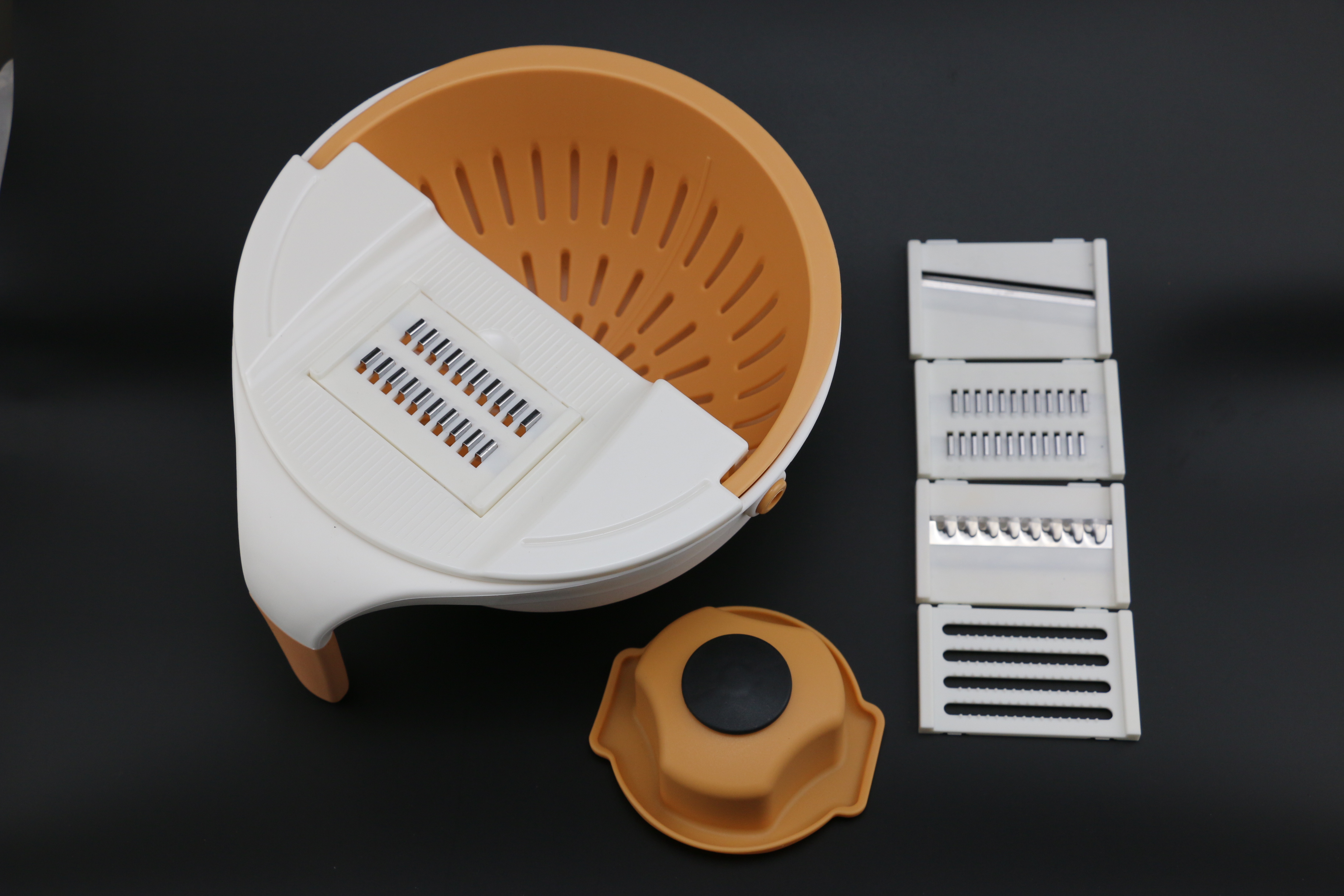
Cutting Tray Manufacturer: Practical Sourcing Guide for Kitchenware Buyers
A cutting and draining tray is a compact kitchen tool designed to reduce the number of bowls, colanders, and cutting boards used during food preparation. For retailers, distributors, promotional buyers, and private-label kitchenware brands, the product can be attractive because it solves a common preparation problem: washing, slicing, draining, and collecting ingredients in one place.
However, choosing a cutting tray manufacturer should not be based only on appearance. Buyers need to understand material safety, blade handling, tray stability, packaging options, product instructions, and after-sales support. The original product concept highlights practical features such as a plastic tray, draining function, interchangeable blades, an anti-slip base, and a comfortable handle. Those are useful starting points, but every commercial buyer should verify details directly with the supplier before placing an order.
Key Takeaways
- A cutting tray combines cutting, rinsing, draining, and ingredient collection in one kitchen tool.
- Important selection points include food-safe materials, blade security, anti-slip performance, ease of cleaning, and clear user instructions.
- B2B buyers should ask the manufacturer about OEM options, packaging, testing, replacement parts, and quality control procedures.
- Do not assume dishwasher safety, material grade, certifications, or compliance claims unless the supplier provides written confirmation.
What a Cutting and Draining Tray Is Designed to Do
A cutting tray is typically used for preparing vegetables, fruit, and other everyday ingredients. Unlike a standard cutting board, this type of product may include a container-style base or colander section so users can rinse produce and allow water to drain away. Some designs also include blade attachments for slicing, julienning, or crinkle cutting.
The main benefit is workflow efficiency. A user can wash cucumbers, carrots, potatoes, or similar ingredients, slice them into the tray, and move them directly to a pan, bowl, or serving container. This reduces transfers between tools and can make cleanup easier. For product managers, this everyday convenience is the key selling point to communicate, but it should be supported by safe design and clear instructions.
Product Features Buyers Should Evaluate
When reviewing samples from a cutting tray manufacturer, focus on practical performance rather than decorative claims. The tray should sit flat on a stable surface. If an anti-slip base is included, test it on common kitchen surfaces such as laminate, tile, stainless steel, and wood. A handle should feel secure when the tray is wet, because many users will handle it near a sink.
Blade attachments require extra attention. Interchangeable blades can add value, but they also introduce safety and durability concerns. Check whether blades lock firmly into place, whether the cutting action is smooth, and whether removal can be done without touching sharp edges. Ask whether blade guards, storage cases, or warning labels are available.
Material claims should be verified. The original article refers to high-quality plastic cutting trays and food-safe materials, but buyers should request supplier documentation rather than relying on general wording. Ask what material is used, whether colorants are food-contact suitable, and what regulations or market requirements the product is intended to meet.
Comparison Checklist for Supplier Samples
| Evaluation Point | What to Check | Questions to Ask the Manufacturer |
|---|---|---|
| Material | Tray body, blade parts, handle, and drain section | What material is used, and can food-contact documentation be provided? |
| Draining function | Water flow, hole size, and ease of rinsing | Has the drainage design been tested with common vegetables? |
| Blade system | Sharpness, locking mechanism, storage, and replacement | Are replacement blades available, and how are blades packaged safely? |
| Stability | Anti-slip base and tray balance during cutting | What surfaces was the anti-slip feature evaluated on? |
| Cleaning | Removable parts and areas where food can collect | What cleaning instructions should be printed in the manual? |
| Retail readiness | Packaging, barcode space, instructions, and warnings | Can packaging and instruction sheets be customized for OEM orders? |
B2B Sourcing Questions for OEM and Wholesale Orders
For wholesale or private-label programs, the supplier conversation should go beyond product photos. Start by asking which parts of the product can be customized. Common areas may include color, packaging artwork, instruction language, logo placement, and accessory configuration. Do not assume customization is available until the manufacturer confirms it.
Buyers should also ask about production lead time, order quantity, sample cost, mold ownership if a custom design is involved, and the process for approving pre-production samples. If the product includes blades, request information about blade material, packing method, and safety warnings. If the item will be sold in a regulated market, ask what testing support the supplier can provide and whether third-party testing is required for your channel.
Quality control is another important topic. Ask how the manufacturer checks blade fit, tray balance, draining performance, color consistency, packaging accuracy, and carton strength. For repeat orders, request a clear agreement on approved samples so future production can be compared against a defined standard.
How Consumers Should Use a Cutting Tray Safely
Consumer instructions should be simple and specific. The tray should be placed on a flat, stable surface before use. If the product has anti-slip feet, they should be clean and dry enough to grip the worktop. Users should choose the correct blade for the desired cut and attach it only as directed by the manufacturer.
- Wash produce before cutting when appropriate.
- Lock the selected blade or slicing insert securely into position.
- Keep fingers away from exposed blades during slicing and cleaning.
- Drain ingredients in the tray or colander section before transferring them.
- Disassemble removable parts after use for thorough cleaning.
Clear instructions reduce returns and improve user satisfaction. For retail packaging, consider adding simple icons for assembly, washing, blade caution, and storage.
Care, Cleaning, and Storage Guidance
Proper maintenance helps keep a cutting and draining tray useful over time. After each use, users should disassemble removable parts and wash them with warm, soapy water. Blade areas need careful attention because small pieces of food can remain around edges or slots. The user should handle blades from the safe side and avoid leaving loose blades in a sink where they cannot be seen.
Dishwasher safety should not be claimed unless confirmed by the manufacturer for every relevant component. Some plastic parts, labels, grips, or blade holders may respond differently to heat and detergent. If dishwasher use is allowed, instructions should specify rack placement when needed. All parts should be dried completely before storage to help preserve the product condition and reduce trapped moisture.
Packaging and Content That Improve Organic Search
For brands listing a cutting tray online, search performance depends on useful product information. A strong product page should explain what the tray does, which tasks it supports, what is included in the package, how the blade system works, and how the item should be cleaned. Avoid vague phrases and focus on buyer questions.
Useful listing content may include dimensions, material statements supported by supplier documentation, color options, accessory details, carton information, and care instructions. If the item is intended for wholesale, include clear inquiry prompts such as sample availability, customization options, packaging requirements, and target market documentation. This helps both search engines and purchasing teams understand the product quickly.
FAQ
What should I ask a cutting tray manufacturer first?
Ask about material, food-contact suitability, blade safety, sample availability, packaging options, and whether documentation can be provided for your target market.
Can a cutting tray replace a cutting board and colander?
It can reduce the need for separate tools during light food preparation, especially when washing, slicing, and draining produce. It may not replace larger boards for heavy chopping.
Are interchangeable blades necessary?
Not always. Blades add versatility for slicing or julienning, but they also require secure locking, safe storage, and clear instructions. Choose the configuration that matches your customers' needs.
How should buyers verify dishwasher safety?
Request written guidance from the manufacturer and confirm whether the tray, blades, handle, and anti-slip parts are all suitable for dishwasher use.
What makes a cutting tray suitable for wholesale programs?
Consistent sample quality, practical packaging, clear user instructions, safe blade handling, and responsive supplier communication are more important than promotional claims.
