




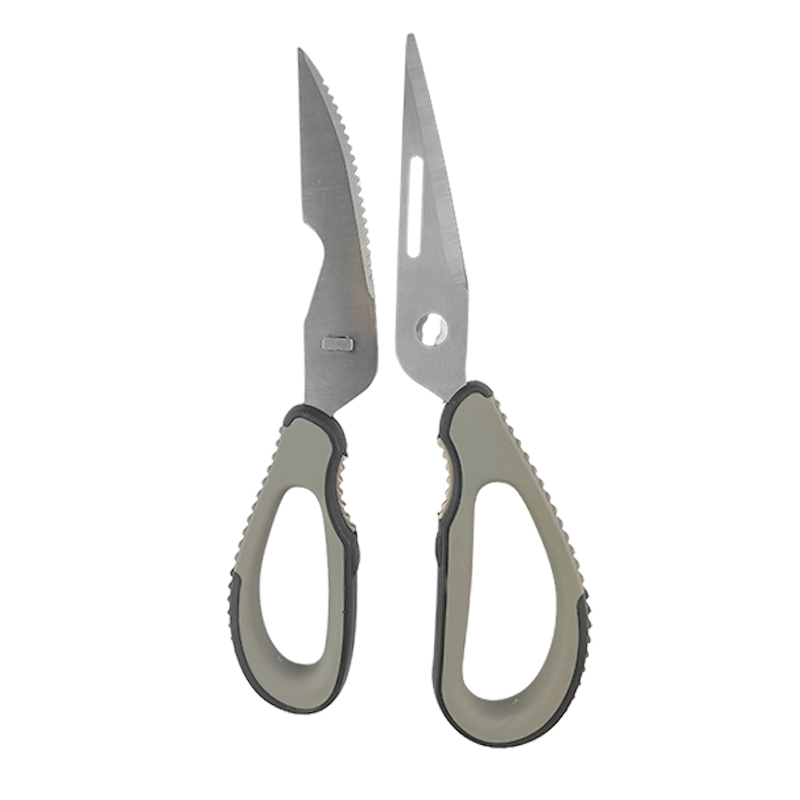
Detachable Kitchen Shears: Practical Buying and Use Guide
Detachable kitchen shears are designed for one task that ordinary scissors often fail to handle well: cutting food cleanly while staying easy to wash. For home cooks, caterers, retailers, and kitchenware buyers, the removable-blade design can be a meaningful advantage because food residue may collect around the pivot area of fixed scissors. When the blades separate, users can clean and dry the contact surfaces more thoroughly.
The original product article presents the Kitchen Maestro Multi-Purpose Kitchen Scissors as detachable kitchen shears with stainless steel blades, a micro-serrated edge, ergonomic soft non-slip handles, a built-in bottle opener, and a nut-cracking section. Those are useful features, but the real buying decision should focus on how the shears perform in daily kitchen work, how easy they are to maintain, and what questions a buyer should ask before sourcing them from a kitchen tools supplier or OEM scissors manufacturer.

Key Takeaways
- Detachable blades make kitchen shears easier to clean around the pivot area.
- A micro-serrated edge can help grip slippery foods such as fish skin or poultry.
- Soft non-slip handles may improve control during longer preparation tasks.
- Multi-use details such as a bottle opener or nut-cracking section are helpful only if they do not weaken the main cutting function.
- B2B buyers should verify materials, packaging, compliance needs, samples, lead times, and customization options directly with the supplier.
Why Detachable Kitchen Shears Are Useful
Kitchen shears come into contact with herbs, packaging, meat, poultry, fish, and sometimes sticky or oily ingredients. A fixed pivot can be difficult to clean because small food particles may remain trapped between the blades. Detachable shears solve part of that problem by allowing the two blade sections to separate for washing.
This design is especially useful for users who want a tool that can move between light food preparation and general kitchen tasks. For example, detachable cooking scissors can trim herbs directly into a bowl, cut parchment paper, portion cooked noodles, open sealed food bags, or help trim poultry. They are not a replacement for every knife, but they can reduce the number of quick cutting tasks that require a board and chef's knife.
Blade Design and Cutting Control
The source article states that the shears use stainless steel blades with an integrated micro-serrated edge. Stainless steel is commonly chosen for kitchen tools because it is practical for repeated washing, while a micro-serrated edge helps hold food in place as the blades close. This can matter when cutting slippery ingredients that tend to slide away from a smooth blade.
When comparing professional kitchen scissors, buyers should not look only at sharpness out of the box. They should also inspect blade alignment, pivot stability, tip closure, and how the shears feel after repeated cutting. A clean cut depends on both blade edge and blade tension. If the pivot is too loose, food may bend instead of cutting. If it is too tight, hand fatigue increases.
Handle Comfort and Everyday Ergonomics
The original description notes ergonomically designed handles made from a soft, non-slip material. Handle shape is easy to overlook, but it affects safety and productivity. A handle that feels comfortable for a quick test may still create pressure points during longer prep work. For food service, retail, or promotional programs, it is worth testing samples with different hand sizes.
Look for handles that allow a firm grip with dry or slightly wet hands. The finger openings should not be too small, the edges should not feel sharp, and the handle material should stay secure on the metal body. If the shears are intended for frequent use, ask whether the supplier can provide handle material details and care instructions so buyers can communicate correct use to end users.
Multi-Purpose Features: Helpful or Distracting?
The Kitchen Maestro shears are described as including a bottle opener and a section for cracking nuts. These additions can be useful in compact kitchens, camping kits, gift sets, or retail bundles where one tool is expected to cover several small jobs. However, added functions should not compromise the main purpose: cutting food safely and cleanly.
For sourcing teams, the key question is whether each extra feature is durable, intuitive, and relevant to the target market. A bottle opener may be appreciated in some markets, while others may prefer a simpler design that is easier to clean. A nut-cracking section should be assessed for grip comfort and whether it leaves marks or creates awkward pressure during use.
Comparison Checklist for Buyers
| Selection Point | What to Check | Why It Matters |
|---|---|---|
| Detachable mechanism | How the blades separate and reconnect | Affects cleaning, safety, and user confidence |
| Blade edge | Sharpness, alignment, and micro-serration | Determines control on poultry, fish, herbs, and packaging |
| Handle design | Grip, comfort, and non-slip feel | Reduces strain and improves control during prep |
| Multi-tool functions | Bottle opener, nut cracker, or other details | Adds convenience only if the core cutting performance remains strong |
| Supplier information | Material details, sample process, packaging, lead time, and compliance documents | Helps B2B buyers reduce sourcing risk |
B2B Sourcing Questions for OEM and Wholesale Buyers
For importers, distributors, private-label brands, and retailers, detachable kitchen shears should be evaluated as both a kitchen tool and a packaged consumer product. The source article refers to an OEM scissors manufacturer and kitchen tools supplier, but commercial details such as MOQ, certification, testing, production capacity, and customization options are not provided. These should be confirmed before placing an order.
- What blade material and handle material are used, and can the supplier provide documentation?
- Can samples be tested for cutting performance, detachable function, washing, drying, and repeated assembly?
- What packaging options are available for retail, e-commerce, or wholesale cartons?
- Can logos, colors, instructions, or barcodes be customized?
- What quality inspection steps are used before shipment?
- Which compliance documents are available for the buyer's target market?
Clear answers to these questions help buyers compare suppliers on more than price. They also help prevent misunderstandings about product claims, labeling, and after-sales expectations.
Use and Care Tips
To get the best value from detachable kitchen shears, users should clean them soon after cutting meat, fish, herbs, or oily foods. Separate the blades according to the product instructions, wash the exposed surfaces carefully, dry them fully, and reconnect them only when both sides are clean and dry. This routine helps limit trapped residue and keeps the pivot area easier to maintain.
Users should avoid twisting the blades through bones or hard shells unless the supplier specifically states that the shears are designed for that type of use. The nut-cracking section should be used only in the intended area, not between the cutting edges. Proper use protects the blade alignment and keeps the tool safer over time.
FAQ
Are detachable kitchen shears better than fixed kitchen scissors?
They are often easier to clean because the blades can separate, especially around the pivot area. Fixed scissors may still work well, but they usually require more attention when washing.
What is the benefit of a micro-serrated blade?
A micro-serrated edge can help grip slippery food while cutting. This may improve control when trimming poultry, fish, herbs, or certain packaging materials.
Can these shears replace a chef's knife?
No. They are best for quick cutting tasks, trimming, snipping, and some food preparation jobs. A chef's knife and cutting board are still better for precise chopping and slicing.
What should wholesale buyers confirm before ordering?
Buyers should ask about materials, samples, packaging, logo options, inspection process, lead time, MOQ, and compliance documents required for the destination market.
How should detachable shears be stored?
Store them clean, dry, and fully assembled or protected according to the product instructions. Keep the blades away from loose contact with other utensils to reduce edge damage.
