




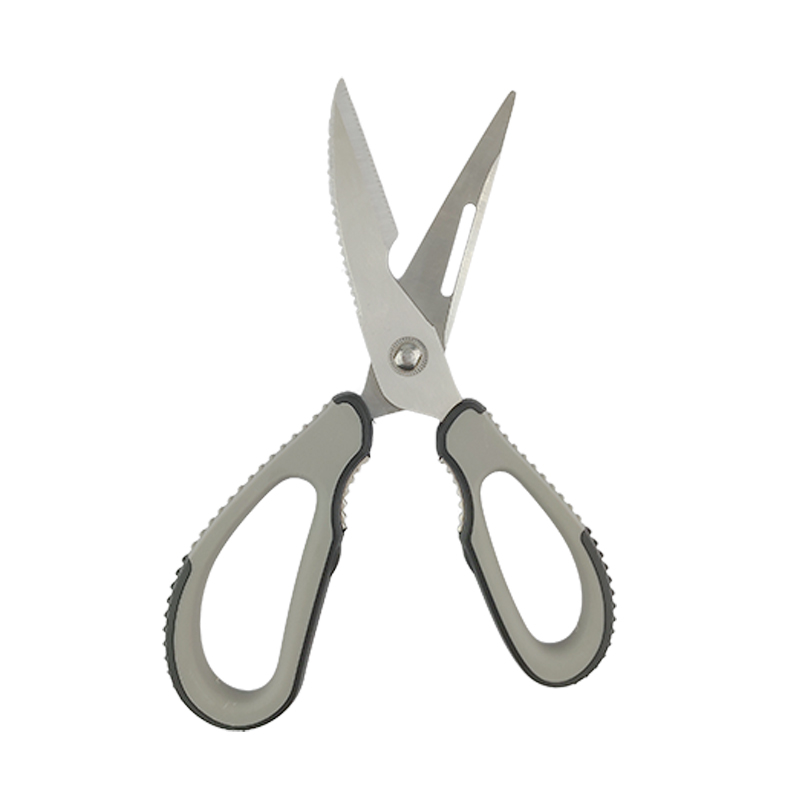
Detachable Kitchen Shears: Practical Buying and Use Guide
Detachable kitchen shears are designed to solve a simple but important kitchen problem: many cutting tasks are awkward with a knife, and ordinary scissors can be difficult to clean thoroughly. The original product information describes multifunctional kitchen scissors with stainless steel blades, a serrated cutting edge, detachable construction, ergonomic non-slip handles, and integrated functions such as a nutcracker and bottle opener. Those features make this category useful for daily food preparation, but buyers should still evaluate the details carefully before choosing a model for home use, retail, wholesale, or OEM sourcing.

Key Takeaways
- Detachable blades make kitchen shears easier to wash, dry, inspect, and store hygienically.
- A serrated edge can help grip slippery foods such as poultry skin, herbs, and packaging.
- Integrated tools like a nutcracker or bottle opener are useful only if they do not weaken comfort or cutting control.
- For B2B sourcing, ask suppliers about materials, sample testing, packaging, labeling, and after-sales support rather than assuming specifications.
What Makes Detachable Kitchen Shears Different?
Standard kitchen scissors often trap food residue around the pivot. Detachable kitchen shears address this by allowing the two blades to separate for cleaning. This is especially practical after cutting meat, trimming fat, snipping herbs, or opening food packaging. Being able to access the full blade surface also makes it easier to dry the tool completely, which can help reduce moisture-related problems during storage.
The detachable format also helps users inspect wear points. If the pivot area becomes loose, sticky, or difficult to reassemble, it is a sign that the shears may no longer perform reliably. For commercial buyers and kitchen tools distributors, this mechanism is one of the first details to check during sample evaluation because it affects both hygiene and user satisfaction.
Core Features to Evaluate Before Buying
The original article highlights stainless steel blades, a serrated edge, ergonomic non-slip handles, a detachable structure, a nutcracker, and a bottle opener. These are useful starting points, but each feature should be assessed in context. A sharp blade matters, but so does alignment. A non-slip handle is helpful, but it should fit different hand sizes. A multifunction design is convenient, but extra functions should not make the tool bulky or uncomfortable.
| Feature | Why It Matters | What to Check |
|---|---|---|
| Detachable blades | Improves access for cleaning and drying | Easy separation, stable reassembly, no wobble during cutting |
| Serrated cutting edge | Helps grip slippery or fibrous foods | Clean cuts on herbs, poultry skin, and thin packaging |
| Stainless steel blades | Commonly used for kitchen cutting tools | Ask the supplier for the exact grade and care instructions |
| Non-slip handles | Supports control when hands are wet or oily | Comfort, grip texture, pressure points, left/right hand usability |
| Integrated opener or nutcracker | Reduces the need for separate small tools | Whether added functions feel sturdy and do not interfere with cutting |
Best Uses in Daily Food Preparation
Detachable kitchen shears are most valuable when they reduce the number of tools needed for quick preparation. They can snip herbs directly into a bowl, cut cooked pizza or flatbread, trim poultry skin, portion bacon, open food bags, and cut twine or parchment. Some users also prefer shears for cutting meat into small pieces because the motion can feel more controlled than using a knife on a small board.
However, shears are not a replacement for every knife task. They are not ideal for precise vegetable slicing, heavy bone cutting unless specifically designed for it, or tasks that require a long straight blade. The best approach is to treat detachable kitchen shears as a complementary tool: fast, controlled, and easy to clean after jobs that are messy or repetitive.
Cleaning, Drying, and Care
The detachable structure is one of the strongest reasons to choose this product category. After use, separate the blades according to the manufacturer’s instructions, wash both sides carefully, and dry the pivot area before reassembly. This is particularly important after cutting raw poultry, seafood, or oily foods. If the supplier provides dishwasher guidance, follow it; if not, hand washing is the safer default for preserving edge performance and handle finish.
- Separate the blades only when the shears are cleanly positioned and your hands are stable.
- Wash both blade surfaces, the pivot area, and handle grooves with warm water and dish soap.
- Dry immediately with a clean towel, paying attention to joints and recessed areas.
- Store the shears closed in a drawer organizer, sheath, or safe tool area away from loose contact with other metal utensils.
B2B Sourcing Questions for Suppliers and OEM Projects
For importers, wholesalers, private-label brands, and kitchen tools retailers, detachable kitchen shears should be reviewed beyond appearance. Do not rely only on catalog terms such as professional kitchen scissors or multifunction kitchen shears. Ask for measurable details and samples. If a supplier does not list material grade, hardness, packaging options, or test methods, treat those as questions to clarify, not assumptions to add to your product listing.
Useful supplier questions include: What stainless steel grade is used for the blades? What handle material is used? Can the product be supplied with custom packaging or labeling? Are care instructions included? What sample process is available before bulk ordering? What inspections are performed for blade alignment, pivot stability, edge sharpness, and handle bonding? Are there destination-market requirements the buyer must confirm independently? These questions help reduce misunderstandings and make comparison between suppliers more objective.
How to Compare Samples Before Placing an Order
When evaluating samples, use the tool in realistic conditions rather than judging it only by weight or appearance. Cut herbs, thin plastic packaging, cooked food, poultry skin, and kitchen twine. Open and close the shears repeatedly. Separate and reassemble the blades several times. Check whether the pivot remains stable and whether the cutting action feels smooth from base to tip.
For retail and wholesale programs, packaging should also be tested. Clear care instructions, safe blade protection, barcode placement, and readable product claims can influence customer satisfaction. If selling online, request accurate product dimensions, confirmed material details, and original image assets from the supplier instead of creating unsupported claims.
FAQ
Are detachable kitchen shears more hygienic than fixed shears?
They can be easier to clean because the blades separate, giving better access to the pivot and inner blade surfaces. Hygiene still depends on proper washing, drying, and storage.
Can these shears cut poultry bones?
Do not assume they are suitable for bones unless the supplier specifically states that use and provides supporting product details. Many kitchen shears are intended for trimming, snipping, and light food preparation.
Is stainless steel always the same quality?
No. Stainless steel is a broad term. Buyers should ask the supplier for the exact grade, care instructions, and any relevant testing information before making product claims.
What should OEM buyers confirm first?
Confirm blade material, handle material, detachable mechanism quality, packaging options, labeling requirements, sample availability, inspection standards, and responsibility for destination-market compliance.
Are integrated tools worth choosing?
They are useful when they are sturdy and comfortable to use. If a bottle opener or nutcracker makes the handles awkward or reduces cutting control, a simpler pair may be better.
Final Thoughts
Detachable kitchen shears are a practical tool category because they combine cutting convenience with easier cleaning. The most useful models balance sharp stainless steel blades, secure grip, stable detachable construction, and simple maintenance. For consumers, the priority should be safe handling, cleaning access, and everyday cutting comfort. For B2B buyers, the priority should be verified specifications, sample testing, packaging review, and clear supplier communication before making purchasing or marketing claims.
