




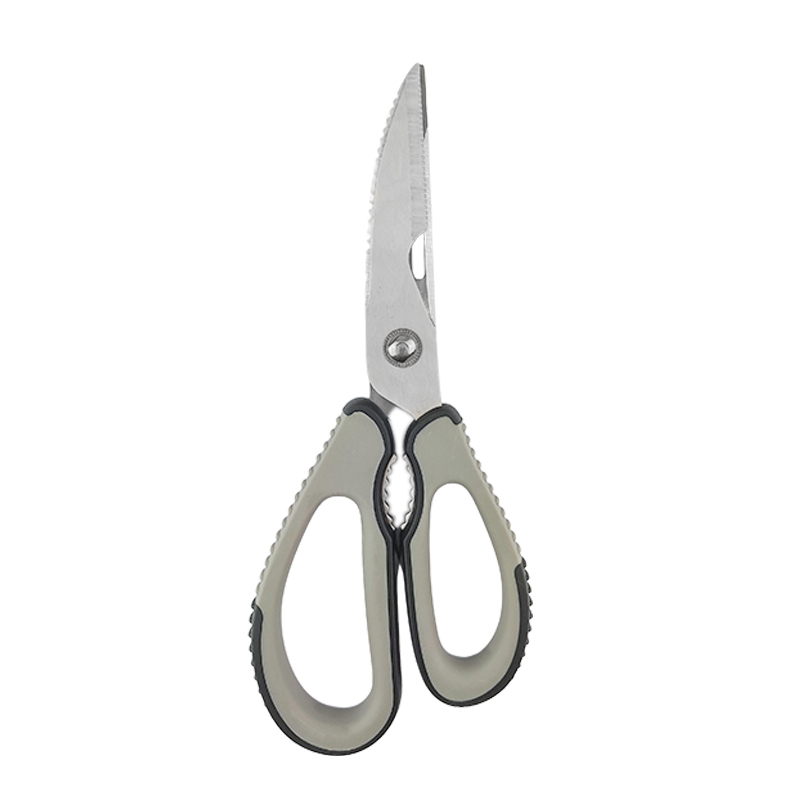
Detachable Kitchen Shears: Practical Selection Guide for Buyers
Detachable kitchen shears are designed for one of the most common pain points in food preparation: cutting safely, quickly, and cleanly across different ingredients. Unlike single-purpose scissors, multi-function kitchen scissors may help with tasks such as trimming herbs, portioning poultry, opening bottles, or cracking nuts, depending on the specific design. For retailers, distributors, hospitality buyers, and OEM sourcing teams, the goal is not simply to find a sharp pair of shears. It is to understand which features matter, which claims need verification, and how the product will be used by the end customer.

Key Takeaways
- Detachable construction can make kitchen shears easier to clean, but buyers should confirm how the hinge separates and reconnects.
- Stainless steel blades, a serrated edge, ergonomic handles, a bottle opener, and a nutcracker are useful features explicitly described in the source product information.
- B2B buyers should ask suppliers for material details, production options, packaging choices, test reports, and applicable compliance documents instead of assuming them.
- The best sourcing decision depends on target users, cleaning expectations, price position, and after-sales quality requirements.
What Makes Detachable Kitchen Shears Different?
The defining feature is the ability to separate the two blades for cleaning and maintenance. Food residue can collect around the pivot area of ordinary scissors, especially after cutting meat, herbs, or oily ingredients. A detachable design helps users access the inner surfaces more easily. For food-service buyers and retail brands, this feature can be an important selling point because it supports practical hygiene habits without requiring complex instructions.
However, detachable does not automatically mean better in every situation. Buyers should check whether the blades detach smoothly but remain secure during cutting. A loose hinge can affect control, while an overly stiff mechanism may frustrate users. When evaluating samples, repeat the opening, closing, separating, and reassembling process several times to see whether the action feels consistent.
Useful Features to Confirm Before Purchasing
The original product description highlights several practical details: durable stainless steel blades, one serrated blade edge, ergonomic soft non-slip handles, a built-in bottle opener, and a nutcracker. These features can be attractive for consumers who want one tool for several everyday tasks. For B2B buyers, the next step is to turn those features into verification points.
| Feature to Compare | Why It Matters | Questions to Ask a Supplier |
|---|---|---|
| Detachable blade design | Supports easier cleaning around the pivot | How do the blades separate, and are user instructions provided? |
| Stainless steel blades | Affects cutting feel, durability, and maintenance | What stainless steel grade is used, and can it be documented? |
| Serrated edge | Helps grip slippery or tougher foods while cutting | Is the serration on one blade, and can samples be tested on common ingredients? |
| Soft non-slip handles | Improves comfort and control during repeated use | What handle material is used, and are color options available? |
| Bottle opener and nutcracker | Adds multi-tool value for retail positioning | Are these functions included in the standard model or optional designs? |
| Packaging and instructions | Influences shelf appeal and safe user handling | Can the supplier support private label packaging and cleaning guidance? |
How to Match Shears to the Intended Market
Different sales channels need different product priorities. A supermarket kitchenware line may value clear packaging, simple care instructions, and an accessible price point. A hospitality or food-service buyer may focus more on durability, easy cleaning, and repeat-use comfort. A specialty cookware brand may place greater emphasis on fit, finish, grip texture, and the perceived quality of the cutting action.
Before requesting a quotation, define the target user and core use cases. Will the shears be marketed for general home cooking, poultry preparation, herb cutting, outdoor dining, or multi-purpose kitchen use? This positioning affects the importance of blade thickness, handle comfort, packaging copy, and whether multi-tool functions should be highlighted or kept secondary.
Sample Testing Checklist for B2B Buyers
A product sample should be tested in conditions close to real use. Visual inspection is only the first step. Buyers should check the hinge, grip, blade alignment, cutting performance, and cleaning process before making a sourcing decision.
- Open and close the shears repeatedly to check smooth movement and blade alignment.
- Detach and reassemble the blades to confirm the mechanism is intuitive and secure.
- Cut common kitchen items such as herbs, packaging, cooked food, and poultry portions if appropriate for the intended market.
- Test the serrated edge on slippery foods to see whether it improves grip.
- Wash and dry the shears according to the supplier’s recommended care instructions.
- Review handle comfort with different hand sizes, especially for longer preparation tasks.
Cleaning, Care, and User Guidance
For consumer-facing kitchen tools, care instructions are part of product quality. Detachable kitchen shears should be easy for users to clean without confusion. If the product is supplied for retail or private label programs, buyers should ask whether the packaging or insert can explain how to separate the blades, clean the pivot area, dry the steel surfaces, and store the tool safely.
Do not assume dishwasher suitability unless the supplier explicitly confirms it and provides supporting information. Stainless steel can still require proper drying, and handle materials may have their own care limitations. Clear instructions reduce avoidable complaints and help end users keep the shears working well over time.
OEM and Wholesale Sourcing Questions
When sourcing from a kitchen tools supplier or discussing an OEM scissors program, avoid relying on broad terms such as “professional grade” without details. Instead, request specific information. Ask about blade material, handle material, available colors, logo application methods, packaging formats, sample lead time, production lead time, inspection process, and whether third-party testing documents are available for your target market.
Commercial details such as MOQ, pricing tiers, customization charges, certifications, and delivery terms should be confirmed directly with the supplier. If the product will be sold in a regulated market, the buyer should also confirm applicable documentation requirements with the supplier and, when necessary, with a compliance professional.
Common Buying Mistakes to Avoid
- Choosing the lowest quote without comparing steel, handle materials, hinge quality, and packaging.
- Assuming every detachable model is easy to reassemble after washing.
- Marketing the shears for heavy-duty cutting without testing the intended food tasks.
- Using compliance or safety claims that have not been documented by the supplier.
- Ignoring user instructions, which can lead to cleaning mistakes or customer dissatisfaction.
Practical FAQ
Are detachable kitchen shears better than regular kitchen scissors?
They can be easier to clean because the blades separate, especially around the pivot area. The better choice depends on the user’s cleaning habits, cutting tasks, and comfort preferences.
What explicit features are described for this product?
The source information describes stainless steel blades, one serrated blade edge, ergonomic soft non-slip handles, a built-in bottle opener, and a nutcracker.
Can buyers request OEM or private label options?
Buyers can ask a kitchen tools supplier about logo application, packaging, color options, and other customization services. Availability, MOQ, cost, and lead time should be confirmed directly.
What should be tested before placing a wholesale order?
Test blade alignment, cutting feel, detachable operation, handle comfort, cleaning process, packaging quality, and whether the product matches the intended retail or food-service positioning.
Should the product be described as dishwasher safe?
Only if the supplier explicitly confirms dishwasher suitability and provides appropriate support. If not confirmed, give conservative care instructions that focus on washing, drying, and safe storage.
