




Discover the Best Multi-Functional Kitchen Scissors
Multi-functional kitchen scissors are simple tools, but they can carry a lot of value in a kitchenware range. For consumers, they help with everyday food preparation, packaging, and small opening tasks. For importers, wholesalers, private-label brands, and OEM buyers, they are also a product where small design decisions can affect user satisfaction, repeat orders, and after-sales feedback.
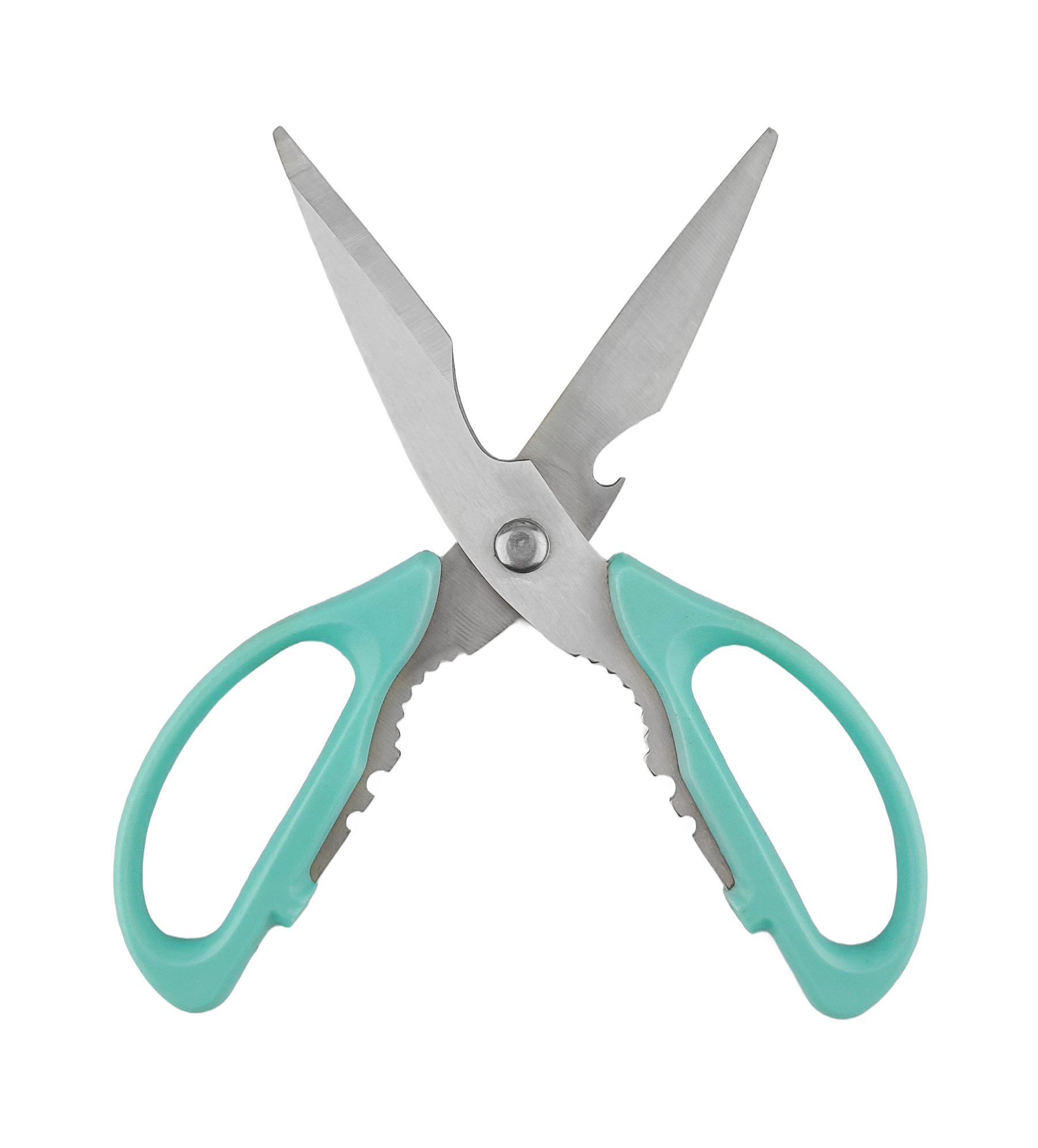
The original product information highlights several useful points: stainless steel blades, an integrated bottle opener, a serrated section that can be used for nut cracking, and ergonomic mint green handles described as non-slip. It also positions the scissors for tasks such as cutting meat, herbs, fish, poultry, and opening packaging. This guide explains how to evaluate those features with a practical sourcing mindset.
Key Takeaways
- Multi-functional kitchen scissors should be judged by cutting performance, comfort, cleaning convenience, and realistic daily use cases.
- OEM buyers should confirm material details, blade hardness, packaging options, branding methods, and sample approval before placing orders.
- Extra functions such as a bottle opener or serrated nut-cracking section are useful only when they do not weaken the main cutting function.
- For wholesale selection, ask suppliers for clear product specifications instead of relying only on marketing descriptions.
What Makes Kitchen Scissors Multi-Functional?
A multi-functional kitchen scissor combines cutting with secondary tasks that would otherwise require another small tool. The most important function is still clean, controlled cutting. If the blades cannot handle common prep work, extra features will not compensate.
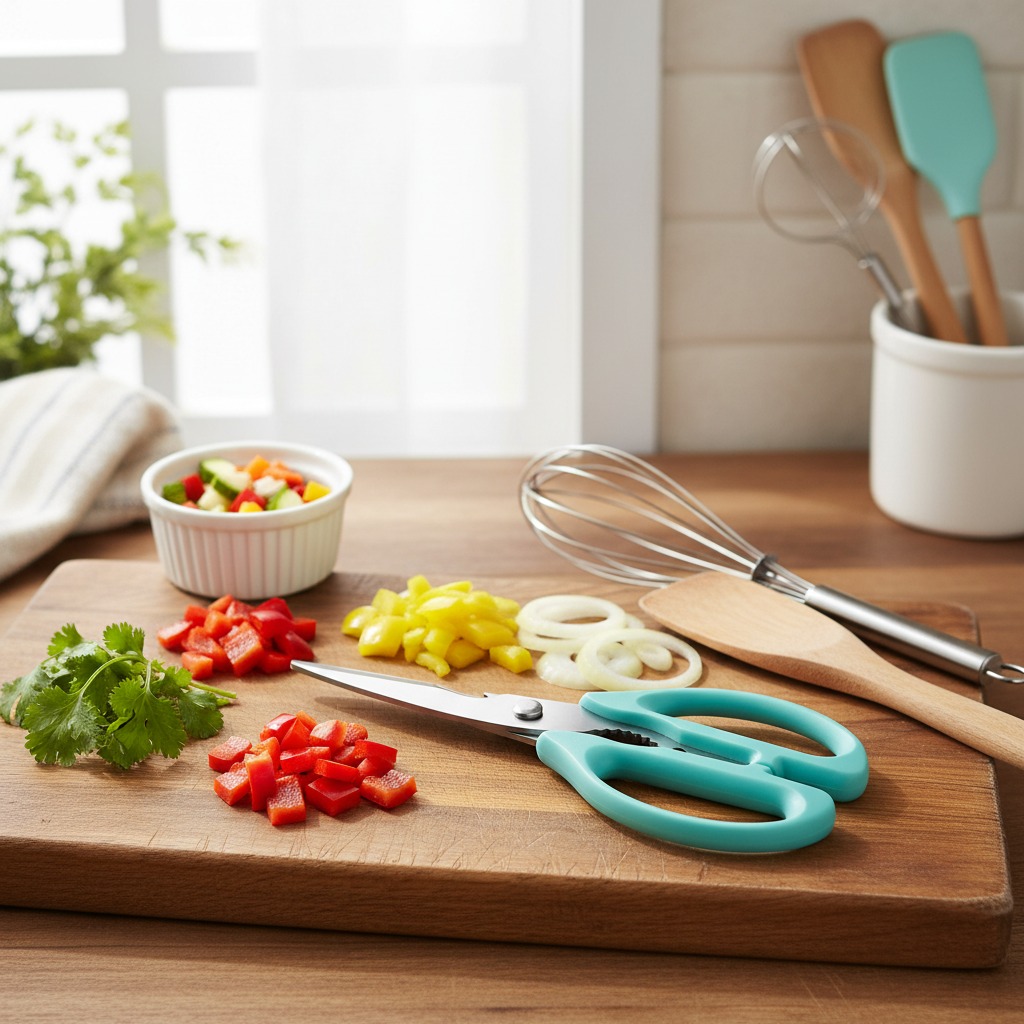
For the product described, the main use cases include slicing through meats, trimming poultry and fish, cutting fresh herbs, and opening packaging. These are practical kitchen tasks because they occur often and do not always require a knife and cutting board. In busy home kitchens or food preparation settings, scissors can reduce handling time and offer better control for small cuts.
Additional details, such as a bottle opener or serrated section for cracking nuts, can make the tool more versatile. However, buyers should inspect whether these features are placed safely and whether they are comfortable to use. A poorly positioned opener or rough handle edge can create complaints even if the scissors cut well.
Blade and Material Questions to Ask
The source article states that the scissors use stainless steel. That is a useful starting point, but wholesale and OEM buyers should request more detail before making a purchasing decision. Stainless steel is a broad category, and the final performance depends on the specific grade, heat treatment, blade thickness, edge geometry, and finishing.
When discussing the product with a kitchen scissors supplier, ask direct questions rather than assuming specifications. For example: What stainless steel grade is used? Are both blades made from the same material? What is the typical blade hardness? Is the cutting edge plain, micro-serrated, or otherwise finished? Can the supplier provide a physical sample from current production?
For a consumer-facing listing, avoid overclaiming. If the product information does not confirm dishwasher suitability, detachable blades, food-contact test reports, or a specific steel grade, those claims should not be added. Clear, accurate descriptions reduce returns and protect brand trust.
Handle Comfort and Everyday Control
The original description mentions ergonomic mint green handles with a non-slip grip. Handle design matters because kitchen scissors are often used with wet hands, greasy packaging, or uneven food items. A comfortable grip can make the difference between a tool that stays in a drawer and one that is used daily.
For buyers comparing samples, test the handle with different hand sizes. Check whether the finger openings feel restrictive, whether edges press into the skin, and whether the grip feels stable when cutting thicker items. If the product is intended for broad retail distribution, comfort should not be judged by one person only.
Color can also support product positioning. Mint green may suit modern kitchen ranges or coordinated houseware collections. For OEM projects, ask whether handle color matching is available, how color is controlled during production, and whether color samples can be approved before mass production. Do not assume custom colors, logos, or packaging are available unless the supplier confirms them.
Comparison Checklist for OEM and Wholesale Buyers
The following checklist can help structure sample reviews and supplier discussions. It is especially useful when comparing similar multi-functional kitchen scissors from several factories or trading partners.
| Evaluation Area | What to Check | Questions for the Supplier |
|---|---|---|
| Cutting performance | Herbs, packaging, poultry, fish, and general kitchen prep | Can samples be tested from current production stock? |
| Blade material | Stainless steel type, edge finish, blade thickness | What steel grade and hardness are specified? |
| Secondary functions | Bottle opener and serrated nut-cracking section | Are these functions tested for safe everyday use? |
| Handle design | Grip comfort, non-slip feel, color consistency | Can handle color or branding be customized? |
| Packaging | Retail card, box, bulk packing, barcode needs | What packaging formats are available for OEM orders? |
| Quality control | Visual finish, blade alignment, screw tightness | What inspection steps are used before shipment? |
Practical Use and Care Guidance
For end users, kitchen scissors last longer when they are used for appropriate tasks and cleaned promptly. They are not a replacement for heavy-duty shears, garden tools, or workshop scissors. Cutting bones, frozen food, metal wire, or very hard objects can damage the edge or loosen alignment unless the supplier specifically designs the product for those tasks.
After cutting meat, fish, or poultry, wash the scissors carefully with warm water and dish soap, then dry them thoroughly. If the blades are not described as detachable, pay extra attention to the pivot area where food particles may collect. Store the scissors dry and avoid leaving them in a sink where moisture and impacts can affect the finish.
For herbs and packaging, wipe the blades between tasks to avoid transferring residue. If the scissors include a bottle opener or nut-cracking section, rinse and dry those areas too. Good care guidance should be included in retail packaging or product pages because it reduces misuse and improves customer experience.
How to Source OEM Kitchen Scissors Responsibly
OEM kitchen scissors sourcing should begin with a clear product brief. Define the intended market, price level, packaging style, branding needs, and target use cases. A buyer looking for a promotional item may prioritize cost and simple packaging, while a kitchenware brand may place more emphasis on blade feel, handle comfort, and long-term consistency.
Before confirming an order, request samples and evaluate them under realistic conditions. Cut herbs, packaging, thin meat, fish skin, and poultry trimming points if those use cases are part of the product promise. Check whether the blades meet cleanly from pivot to tip. Open and close the scissors repeatedly to assess smoothness and stability.
Commercial terms should also be confirmed in writing. Ask about MOQ, lead time, logo options, packaging artwork requirements, production sample approval, inspection standards, spare parts if relevant, and export documentation. If compliance testing is required for your market, ask the supplier what documents they can provide and whether third-party testing can be arranged. Do not assume certifications are available unless documents are reviewed.
Practical FAQ
Are multi-functional kitchen scissors better than regular scissors?
They can be better for kitchen tasks because they are designed around food preparation and small household functions. However, the main advantage depends on blade quality, grip comfort, and safe placement of added features.
What should OEM buyers confirm first?
Start with blade material details, sample quality, handle design, packaging options, branding method, MOQ, lead time, and inspection process. These points affect both product performance and commercial feasibility.
Can kitchen scissors be used for poultry and fish?
The original product description mentions trimming poultry and fish. Buyers should still test samples for their intended use and avoid claiming heavy-duty cutting ability unless the supplier provides supporting specifications.
Is stainless steel enough to guarantee quality?
No. Stainless steel is only one factor. Edge design, heat treatment, blade alignment, pivot construction, handle comfort, and quality control all influence the final product experience.
Should a product page mention dishwasher safety?
Only if the supplier confirms it. If dishwasher suitability is not specified, provide general hand-washing and drying guidance instead of adding an unsupported claim.
Final Selection Advice
The best multi-functional kitchen scissors are not simply the ones with the most features. They are the ones that cut reliably, feel secure in hand, clean easily, and match the needs of the intended buyer. For Bonet Houseware customers or any sourcing team reviewing similar products, the right approach is to combine product testing with clear supplier questions.
Use the stated features as a foundation: stainless steel blades, a bottle opener, a serrated section for nuts, and ergonomic mint green non-slip handles. Then verify the missing commercial and technical details before purchase. That balance helps buyers create accurate listings, reduce risk, and select kitchen scissors that make sense for real everyday use.
