




Discover the Best OEM Scissors: Practical Sourcing Guide
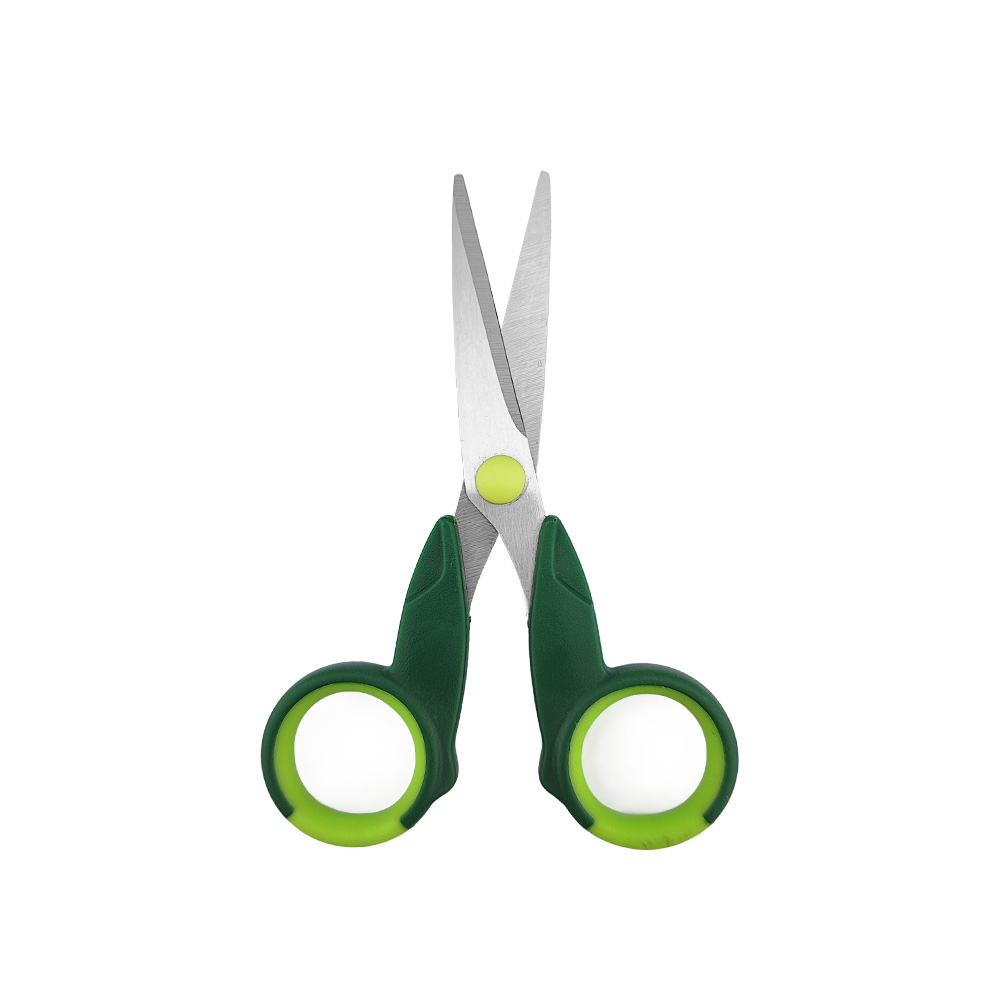
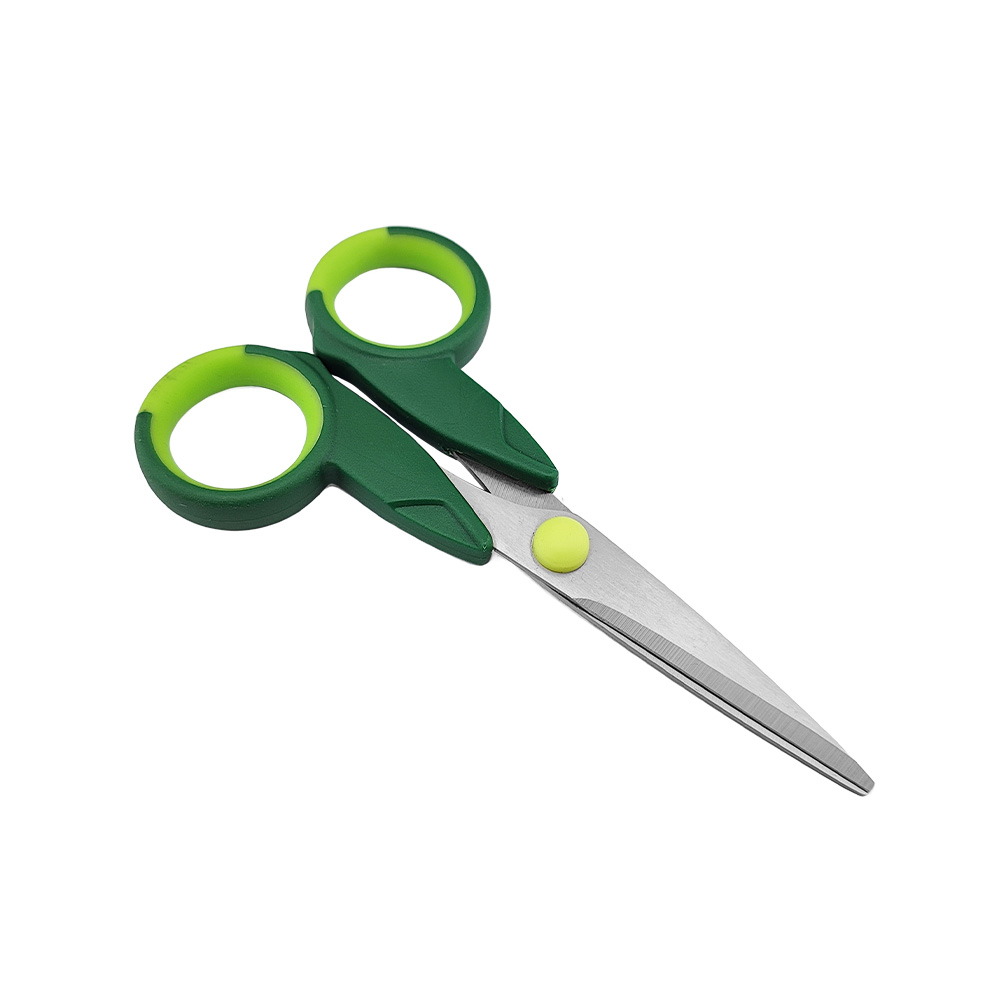
Choosing OEM scissors is not only about finding a sharp blade or an attractive handle color. For importers, distributors, retailers, and brand owners, the better question is whether a scissors product can perform reliably for the target user, match the brand position, and be produced with consistent quality over repeat orders. The original GreenGrip Precision Scissors concept highlights several useful product ideas: a stainless steel blade, a two-tone green handle, a soft-touch ergonomic grip, and suitability for household, craft, office, and light professional tasks.
This guide explains how buyers can evaluate similar OEM scissors without relying on vague claims. It focuses on practical selection criteria, supplier questions, and quality checkpoints that help reduce sourcing risk before placing a custom or wholesale order.
Key Takeaways
- Match the scissors design to the use case before discussing customization or packaging.
- Ask suppliers to confirm blade material, hardness, edge retention, and corrosion resistance with documentation where available.
- Evaluate handle comfort with real users, especially if the product is intended for repetitive cutting.
- Request samples from the same production process planned for bulk orders.
- Clarify packaging, labeling, inspection standards, and after-sales handling before confirming an OEM project.
What Makes OEM Scissors Worth Sourcing?
OEM scissors are produced for a buyer's brand, packaging, channel, or product range. A good OEM project should balance function, cost, appearance, and repeatability. For household scissors, buyers often need a product that handles paper, wrapping material, tags, and light craft use. For office or professional settings, users may care more about smooth cutting, comfortable grip, and consistent control.
The GreenGrip example is positioned around everyday and professional usefulness. Its described stainless steel blade and two-tone green handle create a recognizable product identity, while the soft-touch ergonomic handle suggests a focus on comfort. These are helpful starting points, but B2B buyers should still verify every performance claim through samples, supplier data, and inspection requirements.
Blade Quality: Questions Buyers Should Ask
The blade is the most important working part of any scissors. The source article mentions a stainless steel blade, which is a useful feature for general household and office scissors because stainless steel is commonly selected for resistance to staining and corrosion. However, stainless steel alone does not tell the full story. Different grades, heat treatment processes, blade thicknesses, and edge geometries can produce very different cutting experiences.
Before placing an OEM order, ask the supplier these questions: What stainless steel grade is used? Is the blade hardened, and if so, to what hardness range? How is blade sharpness checked during production? What cutting materials are used in internal testing? Can the supplier provide sample inspection reports or acceptable quality limit criteria? If the supplier cannot answer clearly, request a controlled sample round before approving tooling, artwork, or packaging.
Handle Design and User Comfort
A handle can make an otherwise sharp pair of scissors difficult to use. The original article describes an ergonomic, soft-touch handle and a symmetrical handle suitable for both left- and right-handed users. These are valuable design directions, particularly for household scissors that may be used by different family members or by office teams.
For OEM sourcing, comfort should be evaluated with practical use, not only by appearance. Ask sample testers to cut paper, cardboard packaging, labels, and light fabric if those materials match the product's intended market. Note whether the handle pinches fingers, whether the grip feels secure, and whether the pivot movement remains smooth after repeated use. If the scissors are marketed for professional or craft work, test longer cutting sessions to understand hand fatigue.
Comparison Checklist for OEM Scissors
The table below can help buyers compare samples from different suppliers in a structured way. It is not a substitute for formal testing, but it helps teams avoid choosing only by price or color.
| Evaluation Area | What to Check | Questions for Supplier |
|---|---|---|
| Blade material | Material type, finish, corrosion resistance, edge consistency | What stainless steel grade is used, and can it be documented? |
| Cutting performance | Clean cuts on intended materials without tearing or snagging | What materials are used for production quality checks? |
| Handle comfort | Grip size, soft-touch feel, finger clearance, left/right-hand usability | Can handle color, texture, or material be customized? |
| Pivot and assembly | Smooth opening, stable screw or rivet, no wobble | How is pivot tension controlled during assembly? |
| Branding and packaging | Logo position, label accuracy, retail display needs | What artwork files and packaging samples are required? |
| Inspection plan | Sampling method, defect definitions, carton checks | What quality standard will be used before shipment? |
Customization Without Overcomplicating the Product
Custom scissors manufacturing can include handle color, logo placement, blade finish, packaging, or product set configuration. The two-tone green handle in the original example shows how color can make a common product more distinctive. However, customization should support the buyer's sales channel and user needs rather than simply adding visual complexity.
For retail, packaging clarity and shelf presentation may matter as much as the scissors themselves. For wholesale or institutional buyers, durability, carton labeling, and simple reorder consistency may be more important. If a supplier offers custom colors, ask about color matching methods, tolerance, sample approval, and whether the same color can be repeated in future production. If branding is applied to the blade or handle, confirm the process, durability, and any limitations before final approval.
How to Evaluate a Supplier Before Ordering
Supplier evaluation should be systematic. A low unit price is not helpful if blade quality varies, packaging is inconsistent, or communication is unclear. When sourcing OEM scissors, buyers should request product samples, packaging mockups, and written specifications. The specification sheet should define the product dimensions, blade material as confirmed by the supplier, handle material, color reference, packaging style, carton quantity, and inspection requirements.
- Request current samples that match the proposed production model.
- Test cutting performance on materials relevant to the intended market.
- Confirm all materials, finishes, and branding methods in writing.
- Ask how the supplier handles defective goods, replacement parts, or customer complaints.
- Approve a pre-production sample before bulk manufacturing begins.
Buyers should also ask whether the supplier supports OEM artwork review, barcode placement, multilingual packaging, or retailer compliance documents if those are needed. Do not assume these services are included unless they are confirmed in the quotation and production agreement.
Use Cases: Household, Office, Craft, and Professional Tasks
The original article presents the scissors as useful for everyday tasks such as crafting, gift wrapping, and coupon clipping, as well as for designers, tailors, and office professionals. That broad positioning can work if the product is clearly defined. Household users usually expect comfort, safe storage, and clean cuts on common materials. Office users may prioritize durability and easy identification in shared spaces. Craft users often notice precision and tip control. Professional users are more demanding and may require a specialized product rather than a general-purpose model.
For B2B product planning, define the primary use case first. A general household scissors item can be marketed widely, but professional claims should be made carefully and supported by appropriate product performance. If the target user is a tailor or designer, buyers may need to ask for more specific blade geometry, cutting length, and material performance data.
Practical FAQ
Are stainless steel blades always the best choice for OEM scissors?
Stainless steel is common for household and office scissors because it can help resist corrosion, but performance depends on grade, heat treatment, edge design, and assembly quality. Buyers should ask the supplier for exact material information and test samples before confirming an order.
Can one scissors design serve both left- and right-handed users?
A symmetrical handle may be suitable for both left- and right-handed users, as described in the original GreenGrip concept. Buyers should still test the grip and blade action with both user groups because handle symmetry does not automatically guarantee equal comfort.
What should be included in an OEM scissors specification?
A practical specification should include blade material, handle material, dimensions, color reference, logo method, packaging details, carton information, sample approval process, and inspection criteria. Any claim used in sales materials should be supported by supplier confirmation or testing.
How many samples should a buyer review?
At minimum, review an initial sample and a pre-production sample. For larger programs or retail launches, buyers may also request packaging samples and random samples from trial production. The goal is to confirm that the product approved on paper matches what can be produced consistently.
What is the biggest sourcing risk with custom scissors?
The biggest risk is assuming that appearance equals performance. A scissors sample may look attractive but still have weak cutting consistency, uncomfortable handles, loose pivot assembly, or packaging problems. Structured testing and written specifications reduce this risk.
OEM scissors can be a strong addition to a household, office, or craft product range when buyers evaluate them carefully. Focus on blade quality, handle comfort, assembly consistency, and supplier communication before customization. A clear sourcing process helps turn a visually distinctive product, such as the GreenGrip Precision Scissors concept, into a practical and repeatable private-label item.
