




OEM Sewing Scissors: How to Source Reliable Tailor Scissors for Clean Fabric Cuts
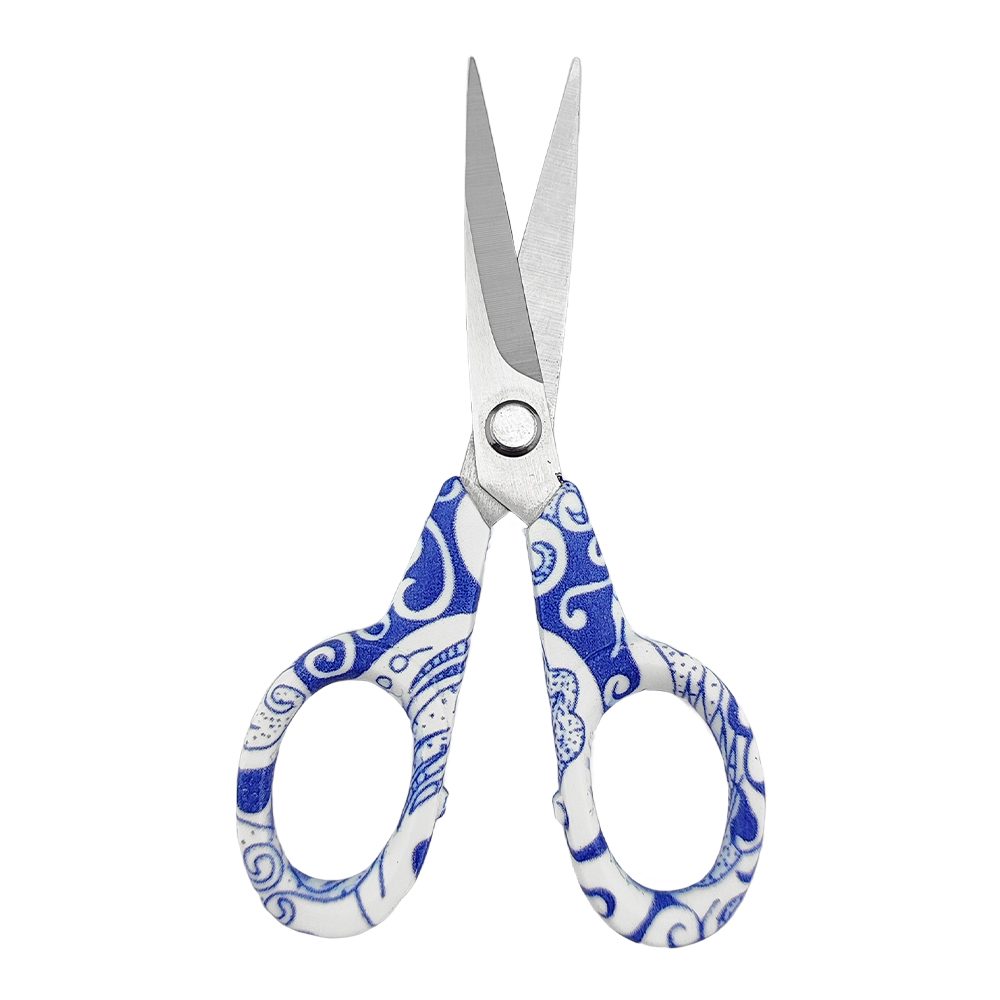
For sewing brands, craft retailers, uniform suppliers, and promotional product buyers, OEM sewing scissors are not just a simple accessory. They influence how end users cut fabric, how a private-label product feels in hand, and how a tool line is perceived over time. The original Bonet Houseware article highlighted a pair of tailor scissors with stainless steel blades, a blue and white paisley handle pattern, and an ergonomic grip. This rewrite expands that idea into a practical sourcing guide for buyers comparing professional sewing scissors for OEM, wholesale, or private-label programs.

Key Takeaways
- Start with cutting performance, comfort, and repeatable quality before discussing decoration or packaging.
- Ask suppliers clear questions about blade material, edge retention, handle construction, inspection process, and customization options.
- Request production samples and test them on the fabric types your customers commonly use.
- Do not rely on appearance alone; balance handle design with blade alignment, tension, and long-session comfort.
What Makes Sewing Scissors Different from General Scissors?
Sewing scissors are designed for controlled, continuous cuts through fabric. Compared with ordinary office scissors, tailor scissors usually need longer blades, smoother blade action, and a handle shape that supports repeated use. A clean cut matters because frayed fabric edges can slow sewing work and reduce the quality of the finished garment or craft project.
For B2B buyers, the key question is not simply whether the scissors look attractive. The better question is whether the product can perform consistently across repeated cutting tasks. If your customers include tailors, sewing schools, craft stores, fabric shops, or DIY kit sellers, sample testing should include common materials such as cotton, lining fabric, denim, felt, and lightweight synthetic fabrics. If the product is intended only for lighter craft use, state that internally before sourcing so the supplier can recommend an appropriate construction.
Review the Visible Product Features First
The product shown in the original article presents a decorative blue and white paisley-style handle and stainless steel blades. The handle pattern gives the scissors a distinctive retail appearance, which may be useful for gift sets, craft collections, or private-label sewing tools. However, buyers should separate visual appeal from functional performance during evaluation.
When reviewing a sample, look at the blade tip, the evenness of the cutting edge, the gap between blades, and the screw or pivot area. Open and close the scissors slowly. The movement should feel controlled, not loose or gritty. Then cut along both short and long lines. A reliable pair of professional sewing scissors should start the cut cleanly, continue without snagging, and finish near the tip without leaving uncut fibers.
OEM Sourcing Checklist for Sewing Scissors
Before confirming an OEM order, create a checklist that covers the product, supplier communication, and commercial details. The table below can help purchasing teams compare samples from different suppliers without relying only on price.
| Evaluation Area | What to Check | Questions to Ask the Supplier |
|---|---|---|
| Blade performance | Clean cutting on target fabrics, smooth edge, tip performance | What blade material options are available, and how is sharpness checked? |
| Handle comfort | Grip size, finger opening, pressure points, left or right-hand suitability | Can the handle shape, color, or pattern be customized? |
| Pivot and tension | Smooth opening and closing, no wobble, consistent resistance | Is the pivot adjustable, and how is blade alignment inspected? |
| Appearance | Pattern quality, surface finish, logo placement, retail presentation | What logo, color, and packaging options are supported? |
| Quality control | Consistency across samples, defect limits, inspection records | What inspections are performed before shipment? |
| Commercial terms | Lead time, sample cost, order quantity, carton packing | What MOQ, delivery schedule, and payment terms apply? |
Why Yangjiang Is Often Considered for Scissors Sourcing
The original article mentioned Yangjiang, a city widely associated with cutlery and cutting tools. For buyers searching for a Yangjiang scissors factory, the advantage is not a guarantee from the location alone. It is the concentration of tool-making experience, related supply chains, and factory options that may make comparison sourcing easier.
Still, buyers should avoid assuming that every factory in a known production region offers the same level of quality. Ask each potential supplier to explain their production process, sample policy, inspection method, and customization support. If compliance documentation, material declarations, or market-specific packaging information is required for your sales channel, request those documents directly and verify whether they match your destination market requirements.
Customization Options to Discuss in an OEM Project
OEM sewing scissors can often be adapted for brand positioning, but the available options vary by supplier and product line. The pictured scissors show how a patterned handle can make a practical tool more recognizable on a retail shelf. For private-label buyers, customization discussions may include:
- Handle color, surface pattern, or decorative finish.
- Logo placement on the blade, handle, hang tag, or packaging.
- Retail packaging such as blister cards, paper boxes, sleeves, or sewing kit packaging.
- Blade length and overall size options suitable for tailor, craft, or household use.
- Instruction inserts, barcode labels, carton marks, and other export packing needs.
Do not finalize artwork before confirming the supplier’s decoration method and limitations. A design that looks good in a digital file may not reproduce well on a curved handle or small blade surface. Always approve a physical pre-production sample if brand consistency is important.
Sample Testing: A Practical Method for Buyers
A simple in-house test can reveal many problems before bulk ordering. Ask for several samples, not just one perfect display piece. Label each sample and test it under the same conditions. Cut straight lines, curves, and small notches. Try both the heel of the blade and the tip. If the scissors are intended for sewing professionals, test them for a longer session to see whether the handle creates pressure or fatigue.
Record results in a shared sourcing sheet. Note cutting smoothness, hand comfort, blade alignment, finish quality, and packaging condition. If a sample fails, ask whether the issue is a one-off defect, a production tolerance problem, or a mismatch between the scissors and your intended use. Good supplier communication during this stage is often as important as the sample itself.
Common Mistakes to Avoid When Buying OEM Sewing Scissors
- Choosing the lowest quote before testing blade performance.
- Approving a decorative handle without checking grip comfort.
- Using one fabric type for testing when customers cut many materials.
- Forgetting to confirm packaging strength for long-distance shipping.
- Assuming material grade, certifications, or compliance without written confirmation.
- Skipping a final pre-shipment inspection plan for bulk orders.
Use and Care Guidance for End Customers
If you sell sewing scissors through retail or online channels, include basic care guidance. Customers should reserve fabric scissors for fabric rather than paper, wire, plastic sheets, or household cutting tasks that can dull the edge. Scissors should be stored dry, kept away from children, and protected from drops that may affect blade alignment. If the pivot becomes loose or stiff, users should follow the supplier’s recommended adjustment method, if available.
Clear instructions reduce unnecessary complaints and help users get better results from the product. For OEM packaging, concise care text can be printed on the back card, instruction leaflet, or product detail page.
FAQ: OEM Sewing Scissors
What should buyers test first when comparing OEM sewing scissors?
Start with cutting performance on the fabrics your customers use most often. Then check handle comfort, blade alignment, pivot smoothness, finish consistency, and packaging quality.
Can the handle pattern be customized?
Customization may be possible, but it depends on the supplier’s tooling, decoration method, and order requirements. Ask for available handle colors, pattern options, logo methods, and sample timelines.
Are stainless steel blades always the best choice?
The original product description refers to stainless steel blades, but buyers should still ask the supplier about the exact material option, hardness target if available, sharpening process, and recommended use case.
What information should be confirmed before placing a wholesale order?
Confirm sample approval, MOQ, lead time, packaging, carton details, payment terms, inspection process, logo artwork, and any documents required for your market or sales channel.
Is a Yangjiang scissors factory automatically better?
Yangjiang is well known for cutting tools, but location alone does not prove quality. Evaluate each factory by samples, communication, quality control, production consistency, and ability to meet your OEM requirements.
Final Sourcing Advice
Good OEM sewing scissors combine clean cutting, comfortable handling, consistent construction, and suitable presentation for the target market. The decorative patterned handle shown in the original product image can help create shelf appeal, while the stainless steel blades and ergonomic concept point toward practical sewing use. For B2B buyers, the best result comes from structured sample testing and direct supplier questions. Treat scissors as a performance tool first and a branded product second; that approach will help you choose a product that customers can use with confidence.
