




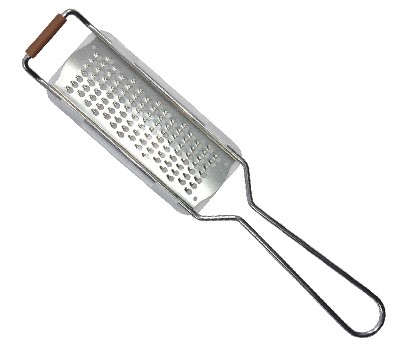
Discover the Best Stainless Steel Grater Supplier
Choosing a stainless steel grater supplier is not only about finding a low unit price. For retailers, importers, distributors, hospitality buyers, and private-label brands, the better question is whether a supplier can deliver consistent product quality, safe packaging, clear communication, and reliable order execution. A kitchen grater looks simple, but small details such as blade sharpness, handle comfort, protective covers, and storage design can affect customer satisfaction and repeat orders.
The original product information highlights handheld stainless steel kitchen graters with sharp blades, ergonomic non-slip handles, protective covers, hanging holes, a soft-touch handle, and a translucent guard. Those are useful features to evaluate, but buyers should still verify the exact specification, material grade, finish, packaging, and compliance requirements before placing a bulk order.
Key Takeaways
- A good stainless steel grater supplier should be assessed on quality consistency, documentation, communication, packaging, and after-sales support.
- Do not rely only on product photos; request samples and confirm blade sharpness, handle grip, guard fit, and cleaning ease.
- For OEM or wholesale projects, ask about customization options, lead time, minimum order quantity, carton packing, and inspection process.
- Missing details such as stainless steel grade, test reports, certifications, and pricing should be treated as supplier questions, not assumptions.
What Buyers Should Look for in a Stainless Steel Grater Supplier
A dependable supplier should make the purchasing process easier to control. Start by checking whether the supplier can provide clear product descriptions, sample availability, packaging information, and stable communication during quotation and production. If you are sourcing for retail shelves or online sales, ask for product dimensions, gross weight, carton details, care instructions, barcode or label options, and image or content support if available.
For B2B purchasing, consistency matters as much as the first sample. A sample may look acceptable, but bulk goods must match the agreed handle color, blade design, protective cover, and packaging quality. Ask how the supplier controls incoming materials, blade forming, handle assembly, and final inspection. If the supplier works with stainless steel grater manufacturers or operates through manufacturing partners, clarify who is responsible for quality control and shipment follow-up.
Product Features Worth Verifying Before Bulk Orders
The original article describes handheld models used for cheese, vegetables, spices, citrus zest, and hard ingredients. It also mentions sharp blades, ergonomic non-slip handles, protective covers, hanging holes, a soft-touch handle, and a translucent guard. These features can be valuable, but each one should be tested in real handling.
For example, a sharp blade improves grating speed, but it also increases the importance of a secure cover and stable handle. A hanging hole may help with kitchen storage, but buyers should confirm whether the design fits the target market's retail expectations. A protective cover should stay firmly in place during storage and shipping without being difficult to remove. If the grater will be sold as a consumer product, ease of cleaning and safe handling instructions should also be reviewed.
Supplier Comparison Checklist
| Evaluation Point | What to Check | Questions to Ask |
|---|---|---|
| Material and finish | Stainless steel surface, blade quality, handle feel | What stainless steel grade is used, and can it be documented? |
| Blade performance | Sharpness, uniform shreds, resistance during use | Can samples be tested with cheese, citrus, vegetables, and spices? |
| Safety details | Protective cover, guard fit, handle grip | How is the blade protected during storage and transport? |
| Packaging | Retail box, label, carton strength, instructions | Can packaging be customized for wholesale or private label orders? |
| OEM support | Logo, color, packaging, assortment options | What are the MOQ, sample cost, tooling cost, and approval process? |
| Quality control | Inspection steps and defect handling | What checks are performed before shipment, and how are issues resolved? |
How to Assess Stainless Steel Kitchen Graters for Sale
When comparing stainless steel kitchen graters for sale, avoid judging only by appearance. A grater should feel stable in the hand, cut cleanly, and be simple to rinse after use. If the product includes a non-slip or soft-touch handle, test whether it remains comfortable during repeated grating. If it has a translucent guard or protective cover, check clarity, fit, and durability after repeated attachment and removal.
Retail buyers should also consider how the item will be presented. Can customers see the blade design while the sharp edge remains protected? Is the packaging compact enough for shelf display or e-commerce shipping? Are care and safety instructions understandable? For hospitality or foodservice buyers, durability under frequent use may matter more than retail packaging, so request practical samples for staff testing.
Questions for Stainless Steel Grater Manufacturers and OEM Partners
If you are developing a private-label or wholesale program, prepare a structured request rather than a vague inquiry. This helps the supplier quote accurately and reduces misunderstandings. Share the target market, expected order quantity, packaging style, logo requirements, delivery destination, and any testing or documentation needed for your channel.
- What stainless steel grade and handle material are used for the quoted model?
- Can you provide samples before bulk production, and how long does sample preparation take?
- What customization is available for handle color, logo placement, packaging, or assortments?
- What is the minimum order quantity for standard and customized versions?
- What inspection process is used for blade sharpness, cover fit, handle assembly, and packaging?
- What documents, test reports, or compliance information can be supplied if required by the buyer's market?
Common Sourcing Mistakes to Avoid
One common mistake is assuming that all stainless steel graters perform the same. Blade pattern, thickness, handle design, and finishing can change the user experience significantly. Another mistake is confirming an order without a sealed sample or written specification. If the purchase is for a chain store, online marketplace, or promotional program, even small differences in packaging size or product weight can affect margins and logistics.
Buyers should also avoid vague quality language. Terms such as durable, premium, or high performance should be supported by agreed criteria. Instead of asking for a good grater, define the product: handheld stainless steel grater, sharp blade, non-slip handle, protective cover, hanging hole, retail packaging, and any required label information. Clear specifications protect both buyer and supplier.
Practical FAQ
How do I choose a stainless steel grater supplier for wholesale orders?
Compare samples, written specifications, packaging options, communication speed, quality control process, and the supplier's ability to answer commercial questions clearly.
Should I ask for the stainless steel grade?
Yes. The original information states stainless steel construction but does not specify a grade. Ask the supplier to confirm the exact grade and provide documentation if your market requires it.
Are protective covers important?
Yes. A protective cover can reduce blade exposure during storage, retail handling, and shipping. Check that it fits securely and does not crack or loosen easily.
Can stainless steel graters be customized for private label?
Possibly, but buyers should ask the supplier about available logo, color, packaging, MOQ, sample, and lead-time options instead of assuming customization is included.
What should be tested in a sample?
Test blade sharpness, grating consistency, handle comfort, cover fit, cleaning ease, packaging strength, and whether the product matches the intended retail or foodservice use.
Final Sourcing Advice
The best stainless steel grater supplier is the one that can turn a simple kitchen tool into a predictable purchasing program. Use the product features from the listing as a starting point, then verify every commercial and technical detail before scaling up. With clear questions, sample testing, and agreed specifications, buyers can reduce risk and choose stainless steel kitchen graters that suit their customers, sales channel, and operational needs.
