




Discover a Top Scissors Factory in China: Quality Sourcing Guide
For importers, distributors, houseware brands, and private-label buyers, choosing a scissors factory in China is not simply about finding a low unit cost. The better question is whether a supplier can consistently deliver cutting tools that match your target market, packaging expectations, quality level, and after-sales needs. Kitchen scissors and household shears are small products, but buyers still need to review blade material, handle comfort, edge performance, packaging protection, and production communication before placing a bulk order.

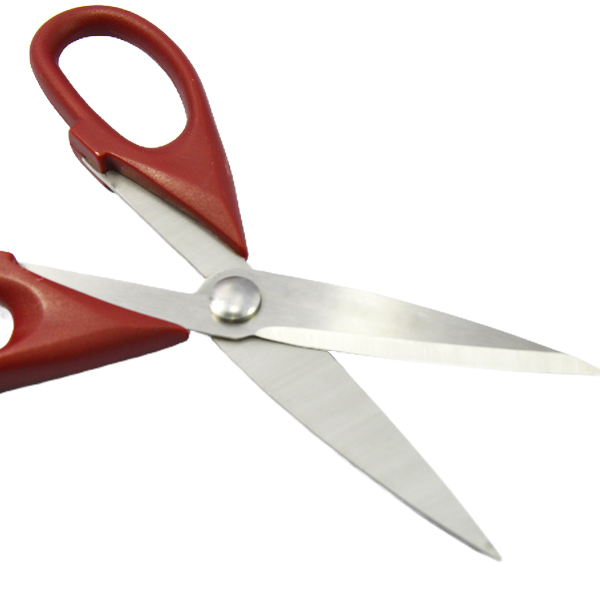
The original Bonet Houseware article highlights a red-handled kitchen scissors product designed for home, kitchen, craft, and everyday household use. This rewritten guide keeps that product context while focusing on practical sourcing: how to evaluate a scissors manufacturer, what details to confirm, and which questions help reduce risk before ordering.
Key Takeaways
- Assess a scissors factory by sample quality, communication, quality-control process, packaging options, and consistency, not price alone.
- Confirm blade material, handle material, dimensions, weight, finish, and intended applications before approving an order.
- For OEM or wholesale programs, ask clear questions about customization, labeling, carton packing, lead time, and inspection standards.
- Kitchen scissors should be reviewed for cutting performance, comfort, cleaning requirements, and safe handling in normal use.
What Buyers Mean by a “Top” Scissors Factory
A top scissors factory is not defined by a single claim. For B2B buyers, it is usually a supplier that can provide reliable samples, explain its production process clearly, respond to technical questions, and maintain consistent quality across repeat orders. Buyers should look for practical evidence: sample approval records, product photos, packaging references, material information, and inspection steps used before shipment.
The original article refers to stainless steel blades and a sturdy mechanism designed to keep the blades aligned. Those are useful starting points, but a buyer should still ask the supplier to specify the steel grade, blade thickness, hardness target if available, surface finish, and whether the scissors are intended mainly for food preparation, household use, craft work, or mixed-use tasks.
Product Context: Red-Handled Kitchen and Household Shears
The featured product is described as a pair of kitchen scissors with a striking red ergonomic handle, a comfortable and secure grip, suitability for right-handed and left-handed users, and lightweight construction. Those details matter because scissors are hand tools: comfort and control affect user satisfaction as much as sharpness does.
For a buyer sourcing this type of product, it is helpful to define the expected use case before comparing factories. A product positioned for general household tasks may need different packaging and instructions than a product promoted primarily for kitchen preparation. If the item is intended for food-contact kitchen use, ask the supplier what material documentation, testing, or compliance support can be provided for your destination market. Do not assume these details; request written confirmation.
Factory Evaluation Checklist
Before shortlisting a Chinese scissors manufacturer, use a structured checklist. This helps your purchasing, product, and quality teams compare suppliers on the same basis.
| Evaluation Area | What to Check | Questions to Ask the Supplier |
|---|---|---|
| Blade material | Stainless steel type, thickness, finish, edge consistency | What steel grade is used, and can it be documented? |
| Handle design | Grip comfort, left/right-hand usability, color consistency | What handle material is used, and can colors be customized? |
| Cutting performance | Sample sharpness, alignment, smooth opening and closing | How is cutting performance checked before packing? |
| OEM options | Logo, packaging, barcode, instruction insert, carton mark | What customization is available, and what files are required? |
| Quality control | Incoming material checks, in-process checks, final inspection | Can you share the inspection criteria used for scissors? |
| Commercial terms | MOQ, lead time, payment terms, sample cost, shipping method | What are the current terms for this model and for OEM orders? |
Blade, Handle, and Mechanism: Details That Affect Quality
Scissors quality depends on how the blade, pivot, and handle work together. A sharp blade is important, but alignment and tension are equally important for clean cutting. If the pivot is too loose, the blades may separate during use. If it is too tight, the scissors may feel stiff and uncomfortable. Ask for samples from the same production method planned for your order, not only hand-selected showroom samples.
For the red-handled shears shown in the original product context, buyers should confirm the exact handle material, surface texture, color tolerance, and whether the grip remains comfortable during repeated opening and closing. If your target market includes both left-handed and right-handed consumers, confirm the handle shape and test it with users before approving packaging claims.
OEM and Wholesale Sourcing Considerations
Wholesale and OEM buyers should avoid vague specifications. A purchase order that says “kitchen scissors, red handle” leaves too much room for interpretation. Instead, create a product specification sheet that includes dimensions, weight target, blade material, handle material, color reference, logo placement, packaging type, carton quantity, labeling requirements, and any destination-market requirements your company must meet.
- Request pre-production samples and keep one approved sample in your office for comparison.
- Confirm whether the supplier can support private label packaging and what artwork format is needed.
- Ask for carton dimensions and gross weight before calculating freight cost.
- Define acceptable quality limits or your own inspection checklist before mass production.
- Clarify how defects, shortages, or packaging damage will be handled after shipment.
Quality Checks Before Shipment
For scissors, inspection should include both visual and functional checks. Visual checks may cover scratches, stains, burrs, handle color, printing quality, and packaging condition. Functional checks may include opening and closing smoothness, blade alignment, cutting test on agreed materials, pivot tightness, and handle comfort. If the scissors are packed in retail packaging, inspect barcode readability, language accuracy, and carton markings as well.
Buyers who do not have their own team near the factory can consider third-party inspection services. If using one, give the inspector a clear checklist rather than relying on generic inspection wording. The clearer your standard, the easier it is for the factory and inspector to judge whether the goods are acceptable.
Use and Care Notes for Kitchen Scissors
Even well-made scissors need proper handling. For consumer-facing instructions, keep the guidance simple and practical. Users should cut only suitable materials, avoid twisting the blades, keep the pivot area clean, dry the scissors after washing, and store them safely away from children. If the product is not designed for dishwasher cleaning, the packaging should not suggest dishwasher use. If the supplier claims dishwasher suitability, ask for supporting information before printing that claim.
For kitchen use, buyers should also decide whether to include care instructions on the back card, insert, or product page. Clear instructions can reduce complaints caused by misuse, rust from poor drying, or damage from cutting materials outside the intended application.
FAQ
How do I choose a reliable scissors factory in China?
Start with product samples, clear specifications, communication quality, and documented inspection procedures. Ask how the factory controls blade alignment, handle quality, packaging, and final inspection before shipment.
What should I ask before ordering OEM kitchen scissors?
Ask about blade material, handle material, logo methods, packaging options, MOQ, lead time, sample process, carton details, payment terms, and inspection standards. Confirm all details in writing before production.
Can one pair of scissors be marketed for kitchen, craft, and household use?
It may be possible, but the claim should match the product’s actual performance. Test samples on the intended materials and avoid overstating uses that the scissors were not designed to handle.
Should I request compliance documents from a supplier?
Yes, especially for products sold as kitchen tools or products entering regulated markets. Ask what documentation or testing support is available, but do not assume compliance unless the supplier provides suitable evidence for your market.
Final Sourcing Advice
A scissors factory in China can be a valuable supply partner when expectations are clear from the beginning. Use the red-handled kitchen scissors example as a reminder that design, comfort, material selection, and packaging all influence buyer satisfaction. The strongest sourcing results come from detailed specifications, realistic sampling, careful inspection, and supplier questions that turn general claims into verifiable information.
