




Finding the Right Stainless Steel Grater Supplier
Choosing a stainless steel grater supplier is not only about finding a low unit price. For importers, kitchenware brands, distributors, hospitality buyers, and OEM project managers, the better question is whether a supplier can provide the right grater range, stable quality, clear communication, and packaging that fits the sales channel. A grater looks simple, but small details such as blade sharpness, handle grip, surface finish, and carton protection can affect customer satisfaction.
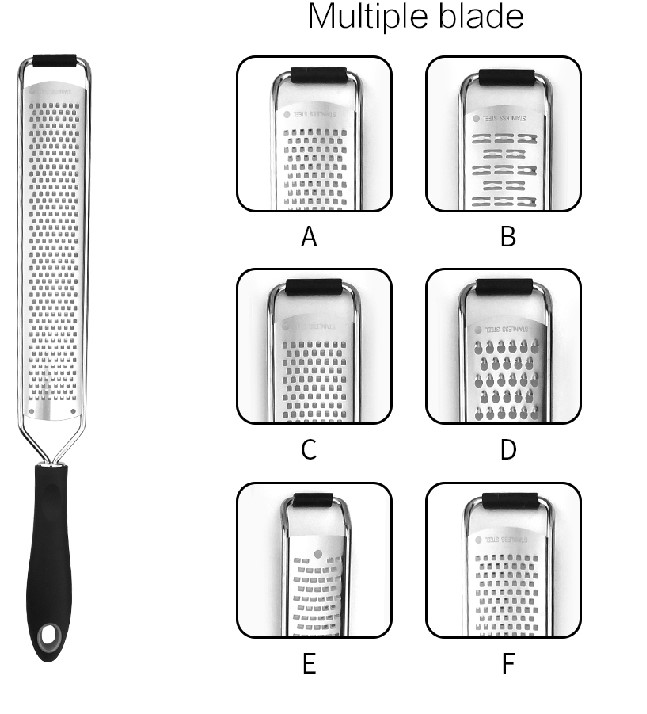
The original product information describes a professional stainless steel grater set with five specialized graters: fine, medium, coarse, ribbon, and star-style options. It also notes durable materials and ergonomic non-slip handles. This article turns those points into a practical sourcing checklist so buyers can compare suppliers more confidently.
Key Takeaways
- A complete grater program should cover common kitchen tasks, from citrus zest and hard cheese to vegetables, chocolate, ginger, nuts, and decorative strips.
- Ask suppliers specific questions about material, handle construction, blade sharpness, packaging, sample approval, and quality inspection rather than relying on broad quality claims.
- For wholesale or OEM purchasing, evaluate consistency across repeat orders, not just the first sample.
- Do not assume certifications, exact steel grade, dishwasher suitability, MOQ, or test results unless the supplier provides written confirmation.
Understand the Main Grater Types Before Sourcing
A supplier that offers several grater styles can help buyers build a more useful assortment. The original article mentions five grater types, each suited to different kitchen tasks. A fine grater is commonly used for citrus zest, hard cheese, and delicate flavor additions. A medium grater can suit chocolate, ginger, or nuts when a slightly more textured result is needed. A coarse grater is useful for softer cheese and vegetables where visible shreds are preferred.
Ribbon graters create wider strips that can be useful for presentation, salads, garnishes, or chocolate curls. Star-style graters produce a fine texture that can work for decorative finishing. When comparing suppliers, ask whether these styles are sold individually, as a set, or both. Retail buyers may prefer a boxed set, while restaurant supply channels may need replacement pieces or open-stock options.
What to Check in Stainless Steel Grater Quality
Stainless steel is widely used in kitchen tools because it can resist rust in normal kitchen conditions and is suitable for repeated food-contact use when properly specified. However, buyers should not assume the exact grade or performance level unless it is clearly stated by the supplier. Ask for the material description, surface treatment, edge finishing, and any available test documentation relevant to your market.
Blade performance is another important point. A grater should cut cleanly without requiring excessive force. If the teeth are too dull, users may press harder and create a less safe experience. If the edges are poorly finished, the product may feel rough or inconsistent. Request samples from current production or pilot production, then test them on common ingredients such as citrus peel, cheese, ginger, and vegetables.
Handle Design and User Safety
The source article states that the professional stainless steel grater set includes ergonomic non-slip handles. For buyers, that feature should be examined in practical terms. Does the handle remain comfortable when hands are wet? Is it large enough for different users? Is the handle firmly attached to the grating surface? Are there gaps where food residue may collect?
For hospitality or frequent-use environments, grip comfort matters because kitchen staff may use the tool repeatedly during prep. For consumer retail, the handle also influences product reviews and returns. Ask whether handle color, logo placement, or material can be customized for OEM orders, but confirm any customization limits directly with the supplier before planning packaging artwork or launch schedules.
Supplier Comparison Checklist
The table below can help purchasing teams compare several stainless steel grater suppliers on more than price. Use it during sample review and supplier qualification.
| Checkpoint | What to Review | Questions to Ask the Supplier |
|---|---|---|
| Grater range | Fine, medium, coarse, ribbon, and star-style options | Are these available as a set, individual items, or both? |
| Material details | Stainless steel body and any handle materials | What material description can be provided in writing? |
| Blade performance | Sharpness, consistency, and clean cutting action | Can current production samples be tested before order confirmation? |
| Handle comfort | Grip, anti-slip feel, attachment strength, and cleaning access | Is the handle design fixed or available for OEM adjustment? |
| Packaging | Retail box, set packaging, protection during shipment | Can packaging be adapted for retail, wholesale, or e-commerce? |
| Quality control | Inspection process and defect handling | What checks are performed before shipment, and how are issues resolved? |
OEM and Wholesale Buying Considerations
For OEM, private label, or wholesale projects, clear communication is essential. Buyers should prepare a specification sheet before requesting a quotation. Include product type, number of pieces per set, handle requirements, packaging style, labeling needs, carton requirements, target market, and any compliance documents required by your company or local regulations.
Commercial terms also need direct confirmation. Do not assume minimum order quantity, production lead time, price validity, payment terms, or sample fees. Ask the supplier to confirm these details for the exact item and packaging option you are considering. If your sales channel requires barcode labels, instruction sheets, warning language, or multilingual packaging, provide those requirements early.
- Request samples that match the intended product configuration.
- Test each grater type on realistic ingredients.
- Review packaging strength for warehouse and delivery handling.
- Confirm artwork, labeling, and carton marks before mass production.
- Keep an approved sample as the reference for final inspection.
Packaging and Assortment Strategy
A five-piece grater set can be attractive for retail because it gives shoppers a clear reason to buy: different tools for different food preparation tasks. However, not every channel needs the same assortment. A professional kitchen may buy fewer styles in larger quantities, while a home goods retailer may prefer a giftable set with clear product explanations.
Good packaging should explain the purpose of each grater without overclaiming. Simple icons, ingredient examples, and safe-use instructions can reduce confusion. For e-commerce, packaging must also protect edges and handles during shipping. Ask whether the supplier has experience with your preferred packaging format, but verify by reviewing physical samples rather than relying only on photos.
How to Evaluate Samples
When samples arrive, inspect them systematically. Check whether all pieces in the set match the agreed style, finish, and handle design. Run a finger carefully along non-cutting edges to identify roughness, but avoid touching sharp grating surfaces directly. Test the fine grater with citrus peel or hard cheese, the medium grater with chocolate or ginger, the coarse grater with vegetables or soft cheese, and the ribbon or star-style grater for presentation tasks.
After use, wash and dry the samples according to the supplier's care instructions. Look for trapped food, handle looseness, staining, or surface changes. A single sample test cannot guarantee mass production quality, but it helps identify design concerns before a larger purchase.
FAQ
What should I ask a stainless steel grater supplier first?
Start with the grater types available, material description, handle design, packaging options, sample policy, and quality control process. If you need OEM service, ask what customization is possible before requesting final pricing.
Is a five-piece grater set better than a single grater?
It depends on the sales channel. A five-piece set is useful when customers want multiple textures and tasks covered. A single grater may be better for foodservice buyers who need one specific function in volume.
Can I assume all stainless steel graters are dishwasher safe?
No. Dishwasher suitability should be confirmed by the supplier for the exact product, including handle material and assembly method. If this is important for your market, request written care instructions.
How can buyers reduce risk before a wholesale order?
Use approved samples, written specifications, packaging mockups, and pre-shipment inspection criteria. Confirm commercial terms, labeling requirements, and defect-handling procedures before production begins.
What features matter most for end users?
Sharp cutting performance, comfortable grip, stable handling, easy cleaning, and the right grater texture for the intended ingredient are usually more important than decorative claims.
Final Sourcing Advice
A reliable stainless steel grater supplier should help buyers match product design to real use cases. The best choice is not simply the supplier with the broadest claims, but the one that can answer detailed questions, provide usable samples, and support consistent production. Whether you are buying a professional grater set, planning an OEM kitchenware line, or building a wholesale assortment, focus on verified specifications, practical testing, and clear communication from the first inquiry.
