




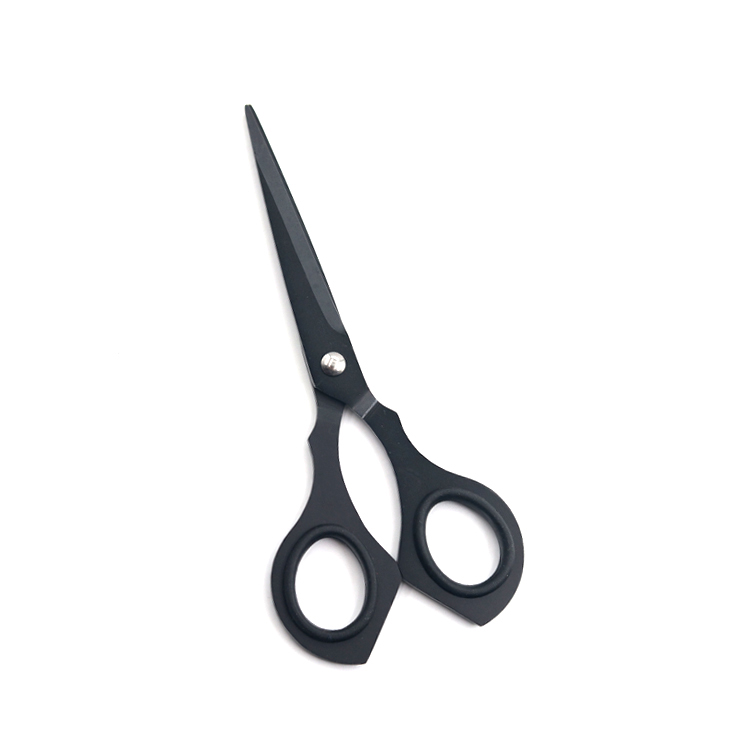
Eco-Friendly Scissors Supplier for Sharp Stationery Needs
Scissors are a small product, but for schools, offices, retailers, craft brands, and promotional buyers they can become a high-volume purchasing decision. The search for an eco-friendly scissors supplier is usually not only about finding a sharp cutting tool. Buyers also need to understand material choices, durability, packaging, supplier communication, and how environmental claims are supported. A well-sourced pair of stationery scissors should cut cleanly, feel comfortable in repeated use, and avoid unnecessary waste over its working life.
The original product focus is sharp stationery scissors for everyday writing, crafting, school, home, and office tasks. It also highlights qualities buyers often look for, including stainless steel cutting edges, recyclable materials, durable design, ergonomic handles, lightweight construction, non-toxic coatings, and attention to more efficient production methods. Because many of these points require confirmation from the supplier, this guide explains how to evaluate them in a practical B2B sourcing process.
Key Takeaways
- Eco-friendly scissors sourcing should balance sharpness, durability, comfort, packaging, and verified material claims.
- Ask suppliers to clarify blade material, handle material, coating type, recyclability, and packaging options before placing an order.
- For office, school, retail, or OEM programs, request samples and test them with the actual materials users will cut.
- Avoid relying only on broad sustainability language; ask for evidence, documentation, or a clear explanation of each claim.
What Makes Stationery Scissors Suitable for Office and School Use?
Stationery scissors are expected to handle frequent, simple tasks: trimming paper, cutting labels, opening mail, preparing classroom activities, shaping craft materials, or cutting light fabric for creative projects. In a workplace, the same pair may be shared by many users, so the blade should remain dependable and the handle should be comfortable enough for repeated cuts.
For sourcing purposes, the most important performance factor is not a single feature but the fit between the scissors and the intended use. A school supply kit may need safer, easy-control scissors for students. An office procurement order may prioritize reliable cutting, balanced weight, and packaging that is simple to distribute. A craft or stationery retailer may care more about finish, handle colors, shelf presentation, and consistent quality across cartons.
How to Evaluate Eco-Friendly Claims
The phrase eco-friendly can mean different things depending on the supplier. It may refer to recyclable materials, reduced plastic packaging, durable construction that extends product life, non-toxic coating choices, or production methods designed to reduce energy use. Since these terms are often broad, buyers should treat them as starting points for questions rather than final proof.
When speaking with a scissors supplier, ask what part of the product is recyclable and whether this applies to the blade, handle, packaging, or all components. If the supplier mentions non-toxic coatings, ask what coating is used and whether documentation is available. If energy-efficient production is referenced, ask how it is measured or described. For commercial orders, clear answers are more useful than general environmental language.
Supplier Comparison Checklist
The following checklist can help purchasing teams compare quotations and samples in a consistent way.
| Evaluation Point | What to Check | Questions to Ask the Supplier |
|---|---|---|
| Cutting performance | Clean cuts on paper, labels, thin card, or light fabric | Can samples be tested with our target materials? |
| Blade material | Stainless steel or other stated material | What blade material is used, and is a material statement available? |
| Handle comfort | Grip shape, hand fit, left/right usability if relevant | Are different handle designs available for office, school, or craft use? |
| Environmental claim | Recyclable content, coating, packaging, durability | Which exact component supports the eco-friendly claim? |
| Packaging | Bulk pack, retail card, reduced-plastic option | Can packaging be adjusted for wholesale, retail, or OEM programs? |
| Quality consistency | Sample-to-bulk match, finish, alignment, opening action | How is quality checked before shipment? |
Choosing the Right Scissors for Different Buying Channels
Different channels need different product decisions. For office use, buyers often prefer a lightweight but robust design that can cut paper, tape, envelopes, and packaging materials during daily work. Comfort matters because a poor handle can make even a sharp blade unpleasant to use.
For school and art supply buyers, safety, control, and age-appropriate size may be important. If scissors are used for classroom projects, they should be easy to handle and durable enough to survive repeated use. For craft, stationery, and retail shelves, visual consistency, color options, and packaging presentation become more important, but they should not replace basic cutting performance.
For OEM or private-label programs, confirm whether the supplier can support branding, packaging artwork, barcode needs, carton labeling, and documentation. Do not assume these services are included. Ask what information the supplier requires from you and what limitations apply to customization.
Sample Testing Before Wholesale Orders
Samples are essential when buying scissors in volume. A product description may say sharp, precise, ergonomic, or eco-friendly, but the buyer still needs to test the item in the real usage environment. A simple test plan can prevent later complaints.
- Cut standard office paper several times and check for tearing or bending.
- Try thicker paper, labels, tape, or light fabric if those materials are part of the intended use.
- Open and close the scissors repeatedly to check smoothness, alignment, and hand fatigue.
- Inspect handle edges, blade finish, and packaging condition.
- Compare the sample with any existing product you plan to replace.
If multiple people will use the scissors, have several testers provide feedback. A purchasing manager may focus on cost and packaging, while daily users may notice comfort, grip shape, or whether the blade catches on certain materials.
Questions to Ask an Eco-Friendly Scissors Supplier
Good sourcing depends on precise questions. Before confirming a supplier, ask for details that connect performance, sustainability, and commercial needs.
- What materials are used for the blade, handle, coating, and packaging?
- Which components are recyclable, and under what recycling conditions?
- Are there reduced-packaging or bulk-pack options for office and wholesale orders?
- Can the supplier provide samples from the same production type as the bulk order?
- What quality checks are performed for blade sharpness, handle finish, and alignment?
- What customization options are available for OEM, retail, or promotional programs?
- What order details are needed to confirm lead time, packing method, and shipping terms?
Practical Use and Care Tips
Even a well-made pair of scissors lasts longer when used correctly. Keep stationery scissors for paper, light packaging, and craft materials rather than forcing them through hard plastic, wire, or thick industrial materials. Wipe the blades after cutting adhesive labels or tape, because residue can reduce cutting quality. Store scissors closed and dry to protect the cutting edge and improve safety in shared offices or classrooms.
For organizations, consider assigning the right scissors to the right work area. General office scissors can stay near printers and packing stations, while craft scissors can be kept with art supplies. This simple habit reduces misuse and extends product life, which supports a more sustainable purchasing approach.
FAQ
What should I confirm before buying eco-friendly scissors wholesale?
Confirm the blade and handle materials, packaging format, environmental claim, sample availability, quality control process, and customization options if you need OEM or retail packaging.
Are stainless steel scissors automatically eco-friendly?
No. Stainless steel may support durability, but eco-friendly sourcing depends on the full product, including handle material, packaging, coating, service life, and whether claims are clearly explained by the supplier.
How can I test stationery scissors before placing a bulk order?
Request samples and cut the same materials your users will handle, such as office paper, labels, thin card, light fabric, or packaging tape. Also check comfort, alignment, and finish quality.
Can office scissors be used for craft projects?
Often yes, if the project involves paper, card, and light materials. For fabric-heavy or detailed craft work, ask the supplier whether a more specialized blade shape or handle design is available.
What makes a supplier suitable for OEM scissors programs?
An OEM-ready supplier should be able to discuss branding, packaging, carton labeling, sample approval, quality checks, and order requirements clearly. Buyers should ask for these details rather than assuming they are included.
