




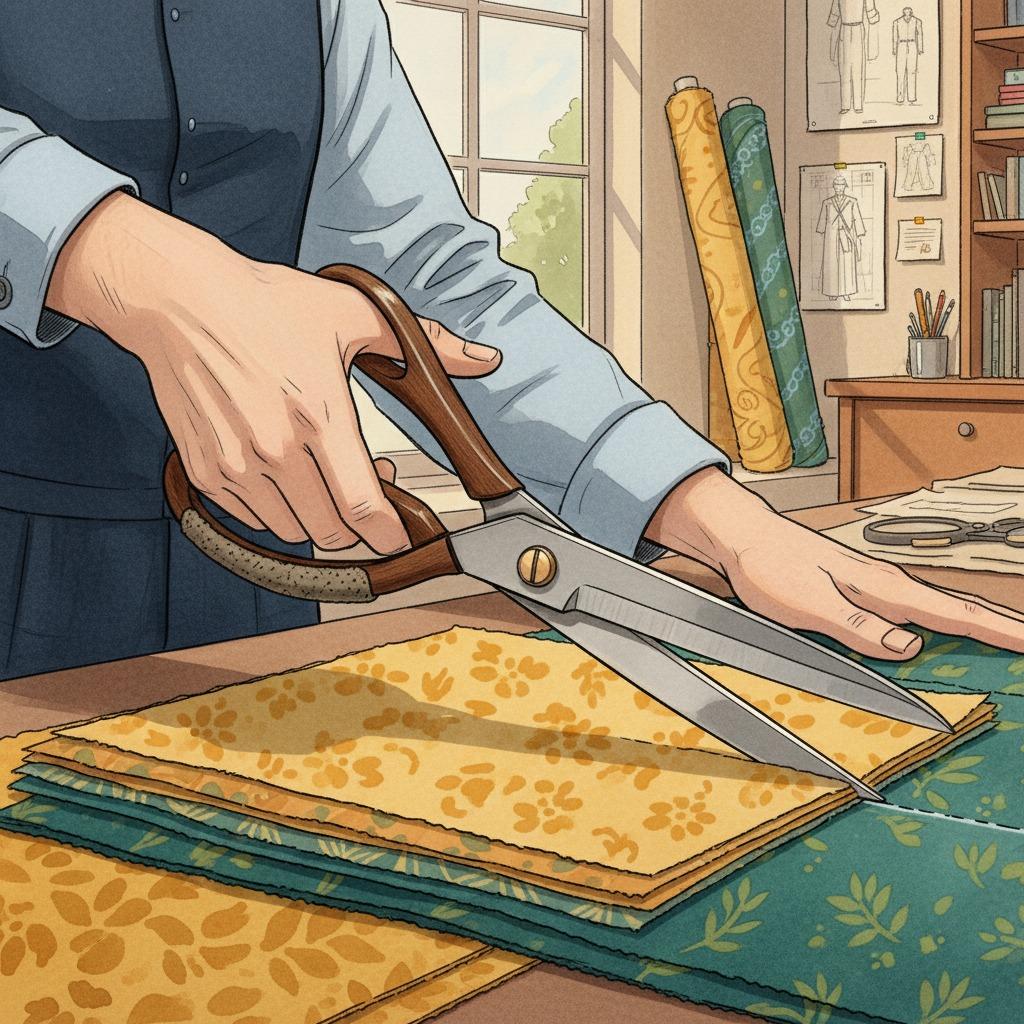
Effortless Cutting with Southpaw Shears for Lefties
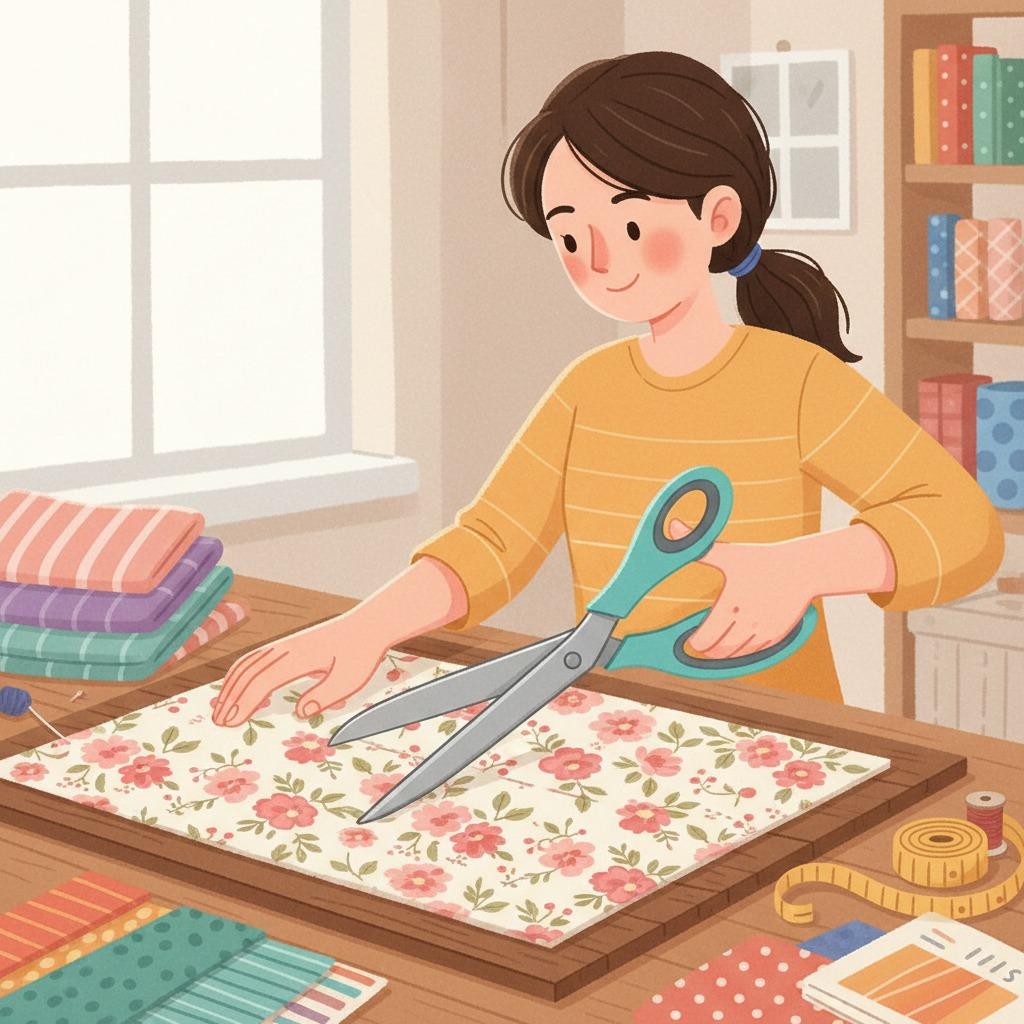
For left-handed sewists, tailors, quilters, and crafters, cutting fabric with standard right-handed scissors can feel awkward even when the blades are sharp. The handle angle, blade orientation, and line of sight often work against the natural motion of the left hand. Southpaw shears are designed for left-handed use, helping the user guide the cut more naturally and see the cutting line more clearly.
This guide explains what makes southpaw shears different, how to choose a suitable pair, and how to use and care for them in everyday sewing work. The goal is not to add another tool for its own sake, but to help left-handed users cut fabric with better comfort, accuracy, and consistency.
Key Takeaways
- Southpaw shears are intended for left-handed cutting posture and blade control.
- True left-handed shears are different from right-handed scissors with reshaped handles.
- Choose shears based on fabric type, handle comfort, blade length, and cutting visibility.
- Good cutting technique and regular care matter as much as the tool itself.
- Before buying in quantity, ask the supplier for clear product details rather than assuming specifications.
What Are Southpaw Shears?
Southpaw shears are fabric-cutting shears made for people who cut primarily with the left hand. In sewing and tailoring, the term usually refers to scissors or shears with a left-oriented design, not simply a general-purpose pair labeled for lefties. A useful pair should allow the left hand to close the blades smoothly while keeping the fabric edge and marked line visible.
The difference is important because fabric cutting requires more control than cutting paper or packaging. When trimming pattern pieces, cutting seam allowances, or working with curves, a small shift in angle can affect the final fit and finish. Left-handed fabric shears help reduce the need to twist the wrist or lean over the work just to see the cutting path.
Why Standard Scissors Can Frustrate Left-Handed Users
Many left-handed users learn to adapt to right-handed scissors, but adaptation often comes with trade-offs. With standard scissors, the blade that should guide the cut may block the marked line when used in the left hand. The user may also need to squeeze harder to keep the blades together, especially on thicker fabric or multiple layers.
Over a long cutting session, this can lead to uneven edges, hand fatigue, and slower work. In tailoring, where accuracy depends on clean pattern cutting, these small problems add up. Southpaw shears are intended to place the cutting action in a more natural position for left-handed movement, making it easier to keep the fabric flat and the wrist relaxed.
How to Choose the Best Shears for Left-Handed Fabric Cutting
The best shears for left-handed users depend on the type of work being done. A dressmaker cutting lightweight cotton may prefer a different length and weight than someone trimming upholstery fabric. Instead of choosing only by appearance, compare practical factors that affect daily use.
| Selection factor | What to check | Why it matters |
|---|---|---|
| Left-handed blade orientation | Confirm whether the shears are true left-handed, not only left-hand handled. | Helps improve visibility and blade pressure for left-handed cutting. |
| Blade length | Match shorter blades to detailed curves and longer blades to straight cuts. | Controls how easily you cut pattern lines and large fabric panels. |
| Handle comfort | Test whether fingers sit naturally without pinching. | Reduces fatigue during repeated cutting tasks. |
| Fabric compatibility | Ask what fabric types the shears are intended for. | Prevents using delicate or heavy materials beyond the tool’s practical range. |
| Maintenance needs | Check whether the shears can be sharpened or adjusted. | Extends useful life and keeps cuts clean. |
If you are purchasing online, read product descriptions carefully and ask questions before ordering. Useful questions include: Are the blades arranged for left-handed cutting? What materials are the handles and blades made from? Are the shears intended for fabric rather than paper? Can the tension be adjusted? These details are more helpful than broad claims such as “professional” or “heavy duty.”
Using Southpaw Shears with Better Technique
Even well-designed left-handed shears work best with proper cutting habits. Start by placing the fabric on a flat, stable surface. Keep the lower blade close to the table and avoid lifting the fabric while cutting. This helps prevent distortion, especially when working with slippery or loosely woven materials.
For left-handed tailoring, position the pattern and fabric so the cutting line stays visible to your dominant hand. If you are cutting curves, use shorter, controlled strokes rather than forcing the shears through the turn. For long straight edges, open the shears fully but avoid closing the tips completely with every stroke, as this can create small notches in the fabric.
- Press fabric smoothly before cutting, if the material allows it.
- Secure pattern pieces with weights or pins according to the fabric type.
- Keep your wrist relaxed and aligned with the cutting direction.
- Cut slowly around curves, not through them in one hard motion.
- Reserve fabric shears for fabric only to protect the edge.
Common Projects Where Left-Handed Shears Help
Southpaw shears are useful in many sewing and craft settings. Garment makers use them for pattern cutting, seam trimming, lining fabric, and interfacing. Quilters may appreciate better control when cutting blocks, borders, and backing fabric. Home sewists can use them for curtains, cushion covers, table linens, and repair work.
The advantage is most noticeable when accuracy matters. Cutting a straight line on a single piece of cotton may be manageable with many tools, but cutting mirrored garment pieces, delicate fabric, or multiple layers requires better alignment. Left-handed shears help reduce unnecessary repositioning, allowing the user to focus on the marked line and the grain of the fabric.
Care and Maintenance Tips
Fabric shears perform better when they are kept clean, dry, and properly stored. After use, wipe the blades with a soft cloth to remove lint or adhesive residue from patterns and stabilizers. Store the shears closed, ideally in a sleeve or drawer where the tips are protected. Avoid dropping them, as a small misalignment can affect cutting quality.
Do not use fabric shears on cardboard, wire, plastic packaging, or household materials. These can dull the blades quickly. If the shears begin to fold fabric instead of cutting it, or if the cut edge becomes ragged, they may need sharpening or adjustment. If you are unsure, consult a sharpening service familiar with sewing shears and left-handed blade orientation.
Buying Advice for Individuals, Studios, and Sewing Classes
For a single home sewing kit, comfort and correct left-handed function should be the priority. If possible, hold the shears before buying and test the opening and closing motion. The handle should not force the thumb or fingers into an uncomfortable angle.
For studios, schools, or sewing classes, it is wise to keep dedicated left-handed shears available rather than asking left-handed learners to adapt to right-handed tools. When buying several pairs, ask the supplier for product details, packaging information, replacement or sharpening guidance, and whether the model is suitable for the fabrics commonly used in your program. Avoid assuming manufacturing details, material grades, or performance claims unless the supplier provides them clearly in writing.
FAQ
Are southpaw shears the same as ambidextrous scissors?
Not usually. Ambidextrous scissors may have handles that fit either hand, but the blade orientation may still favor right-handed cutting. True southpaw shears are designed for left-handed blade control and visibility.
Can left-handed users cut fabric with regular scissors?
Yes, many can, but it may require more hand pressure and awkward wrist positioning. For frequent sewing or tailoring, left-handed shears can make cutting more comfortable and accurate.
What size shears should a beginner choose?
A medium-size pair is often easier to control than very long shears. Beginners should prioritize comfort, visibility, and smooth cutting over the largest blade length.
Should fabric shears be used for paper patterns?
It is better to keep fabric shears for fabric only. Paper can dull the blades over time, so many sewists use a separate pair for cutting patterns.
How do I know if a pair is truly left-handed?
Check the blade orientation, not just the handle shape. When held in the left hand, you should be able to see the cutting line clearly and the blades should press together naturally as you cut.
Southpaw shears are a practical tool for left-handed makers who want cleaner cuts and less strain. By choosing the right design, using steady technique, and maintaining the blades properly, left-handed sewists can make fabric preparation more accurate and more comfortable.
