




Egg Poacher Manufacturer Innovations and Products
For kitchenware retailers, distributors, and private-label buyers, choosing an egg poacher manufacturer is not only about finding a simple cooking accessory. It is about assessing whether a supplier can provide consistent product quality, clear communication, practical packaging options, and dependable support for repeat orders. Egg poachers are compact items, but they still require careful product selection because consumers expect safe food contact, easy cleaning, and reliable cooking performance.
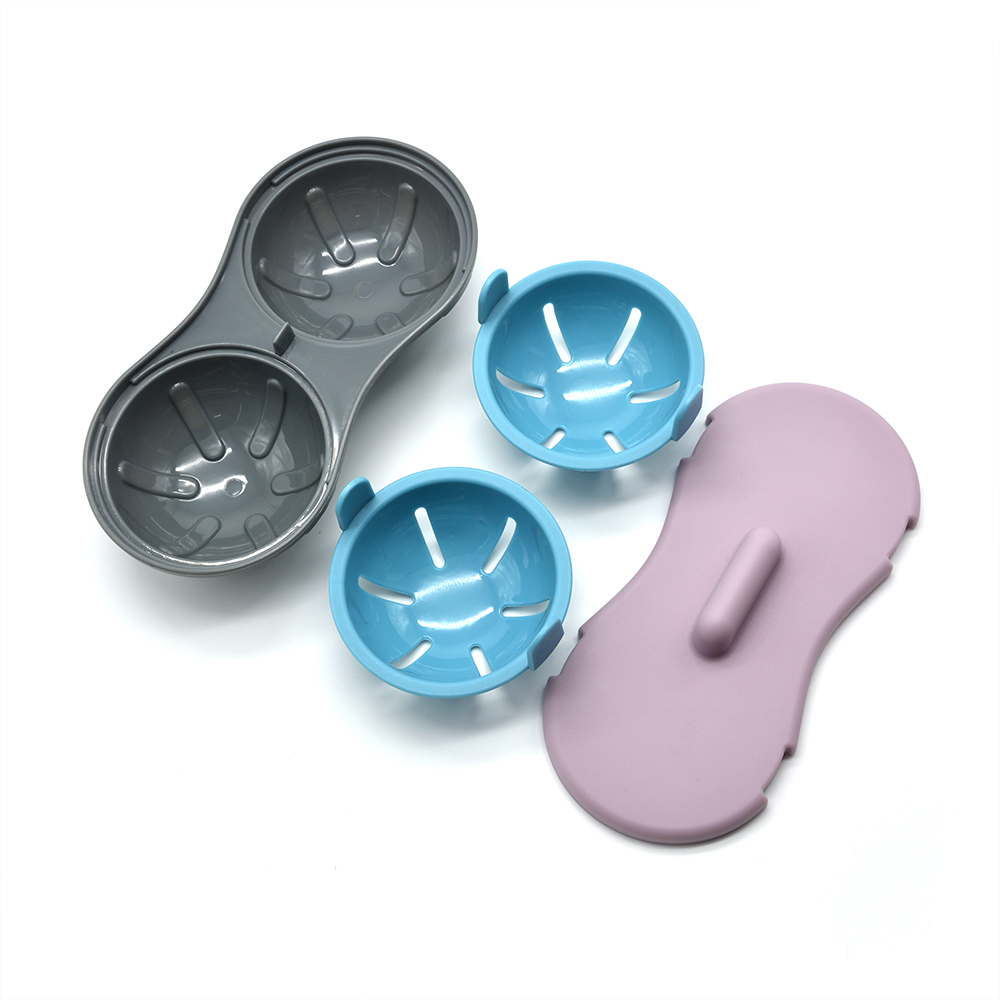
The original product focus is a Double Silicone Egg Poacher. The described design includes two compartments for cooking eggs at the same time, a snug-fitting lid to help trap steam, strategic slits for heat distribution, a soft blue-gray color, and microwave-safe and dishwasher-safe use. These features make it a relevant product for buyers serving home cooks who want a cleaner and more convenient alternative to traditional pan poaching.
Key Takeaways
- Buyers should evaluate both the egg poacher manufacturer and the supplier handling export, packaging, and after-sales communication.
- The Double Silicone Egg Poacher is described with two compartments, a lid, slits for heat distribution, and easy-clean silicone construction.
- Wholesale sourcing should include questions about packaging, labeling, lead time, order quantities, inspection process, and replacement handling.
- Do not rely on catalog descriptions alone; request samples and test real cooking, cleaning, and packaging performance.
What an Egg Poacher Manufacturer Does
An egg poacher manufacturer develops and produces the physical kitchen tool. In the case of silicone egg poachers, this may involve product design, mold development, material sourcing, molding, trimming, quality checks, and packing. A capable manufacturer should be able to explain how the product is made, what materials are used, and how consistency is controlled from batch to batch.
For B2B buyers, the most useful conversations are specific. Instead of asking only whether a product is good quality, ask how the manufacturer checks surface finish, lid fit, compartment shape, color consistency, and packaging condition before shipment. If the product is promoted for microwave and dishwasher use, ask the supplier to provide the basis for those claims and any available documentation. Buyers should also confirm whether the product is intended for retail, promotional, e-commerce, or wholesale distribution, because packaging and inspection expectations may differ.
Understanding Egg Poacher Suppliers
An egg poacher supplier may be the manufacturer itself, a trading company, a distributor, or a wholesale partner. The supplier is often the business contact that manages quotations, samples, order details, logistics coordination, and communication. A good supplier should understand the product and be able to answer sourcing questions without vague promises.
When comparing suppliers, look for responsiveness and accuracy. Do they confirm product details in writing? Do they distinguish between standard stock options and customized packaging? Do they clarify what is included in the price, such as inner packaging, outer cartons, barcodes, inserts, or labeling? For kitchenware buyers, these practical details can affect total landed cost and customer satisfaction more than the unit price alone.
Double Silicone Egg Poacher: Product Features to Review
The Double Silicone Egg Poacher described in the source has two spacious compartments, allowing users to poach two eggs at once. This is useful for couples, families, meal prep, or a single serving with extra protein. The snug-fitting lid is intended to trap steam for faster cooking, while the slits are designed to support even heat distribution. Its soft blue-gray hue gives the product a clean, modern appearance without relying on overly bright colors.
The original description also states that the poacher is made from durable, food-grade silicone and has a non-stick surface. For commercial sourcing, buyers should still ask suppliers to confirm the specific material documentation, applicable market requirements, and recommended temperature or usage limitations. If the product is listed as microwave-safe and dishwasher-safe, request written care instructions that can be included on packaging or product inserts.
Wholesale Buying Checklist
Wholesale purchasing can reduce per-unit cost, but it also increases risk if product details are not confirmed before ordering. Use the checklist below when evaluating an egg poacher manufacturer or supplier.
| Review Area | What to Check | Questions to Ask |
|---|---|---|
| Product design | Two compartments, lid fit, slits, surface finish, color | Can you provide current product photos and a pre-production sample? |
| Material claims | Silicone quality and food-contact suitability | What documentation supports the material description? |
| Use claims | Microwave-safe and dishwasher-safe statements | What are the recommended use and care instructions? |
| Packaging | Retail box, polybag, insert, barcode, carton strength | What packaging options are standard and which require customization? |
| Quality control | Visual inspection, lid fit, color consistency, packing checks | What inspection steps are completed before shipment? |
| Commercial terms | MOQ, lead time, payment terms, sample cost, freight terms | Can these details be confirmed in a written quotation? |
How to Evaluate Samples Before Placing an Order
Samples are essential because a small kitchen tool must work well in everyday use. When a sample arrives, inspect it as both a buyer and an end user. Check whether the silicone surface feels smooth, whether the lid sits securely, whether the compartments are evenly formed, and whether the product sits flat during use. Compare the sample with the supplier’s photos and written description.
Then conduct basic functional checks using the supplier’s recommended instructions. Test the product in a microwave if that use is claimed, and clean it in a dishwasher if that claim is part of the selling point. Observe whether food releases easily, whether residue remains in corners or slits, and whether the product is easy to handle after cooking. These practical findings will help you decide whether the product is suitable for retail customers, online reviews, and repeat purchases.
OEM and Private Label Considerations
Some buyers may want private-label packaging or a branded kitchenware line. Before assuming customization is available, ask the supplier which options they can support. Common questions include whether logo placement is possible, whether packaging artwork can be customized, whether user instructions can be adjusted, and whether different color options are available. Do not assume any customization, minimum order quantity, or tooling change unless it is confirmed by the supplier.
For OEM or private-label projects, documentation control matters. Keep approved samples, final artwork, carton marks, product photos, and written specifications in one file. This reduces confusion when reordering. It also helps the supplier understand exactly what must be repeated in future production runs.
Buyer Guidance for Retail and E-Commerce Channels
For retail stores, packaging clarity is important. The product should quickly communicate that it is a double egg poacher, how it is used, and how it should be cleaned. For e-commerce, buyers should request clear images showing the compartments, lid, and scale of the product. Product listings should be accurate and should not add unsupported claims.
Consider the consumer’s main questions: How many eggs can it cook? Is it easy to clean? Can it be used in a microwave? Does it require oil or water? How should it be stored? The supplier should provide enough information to help you create a responsible product page or retail insert. If any claim is not documented, phrase it carefully or leave it out.
Practical FAQ
What should I ask an egg poacher manufacturer first?
Start with the product specification, material description, available packaging, sample process, lead time, and quality inspection steps. Ask for written confirmation rather than relying only on chat messages.
Is the Double Silicone Egg Poacher suitable for wholesale programs?
It can be a practical wholesale item because it is compact, easy to demonstrate, and designed for everyday breakfast preparation. Buyers should still test samples and confirm commercial terms before ordering.
Can suppliers provide private-label packaging?
Some suppliers may offer private-label options, but availability depends on their capabilities and order requirements. Ask about artwork format, packaging types, approval samples, and any extra costs.
What product claims should buyers verify?
Verify claims such as food-grade silicone, microwave-safe use, dishwasher-safe cleaning, temperature recommendations, and care instructions. Request supporting documentation when needed for your market.
How can I reduce risk when buying egg poachers in bulk?
Order samples, approve written specifications, confirm packaging details, request pre-shipment inspection information, and keep records of all agreed product and commercial terms.
