




OEM Household Scissors: A Practical Sourcing Guide for Everyday Home Use
OEM household scissors are simple products, but buyers know that small details can affect user satisfaction, repeat orders, and brand perception. A pair of scissors may be used for opening packages, cutting paper, preparing craft materials, trimming labels, or handling light office tasks. When the product is part of a retail line, gift set, promotional program, or private-label assortment, it needs to feel comfortable, cut reliably, and match the intended customer group.
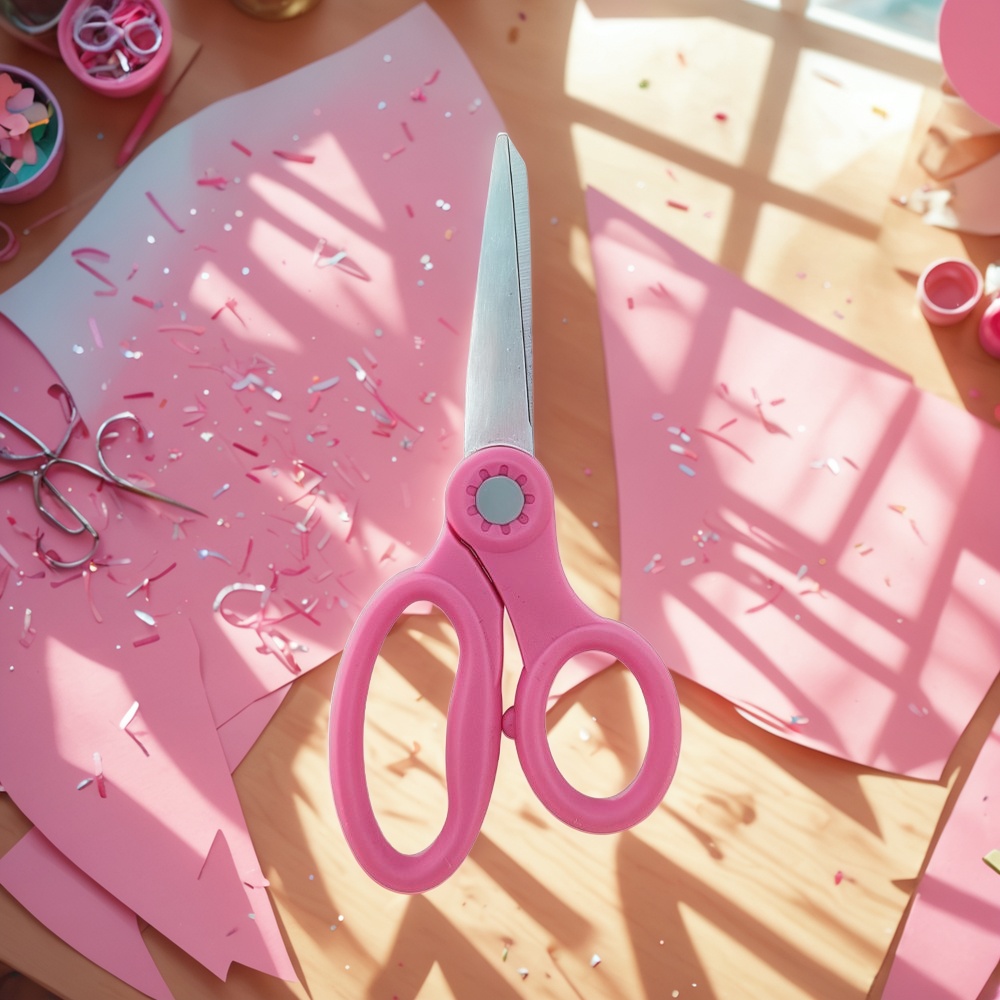
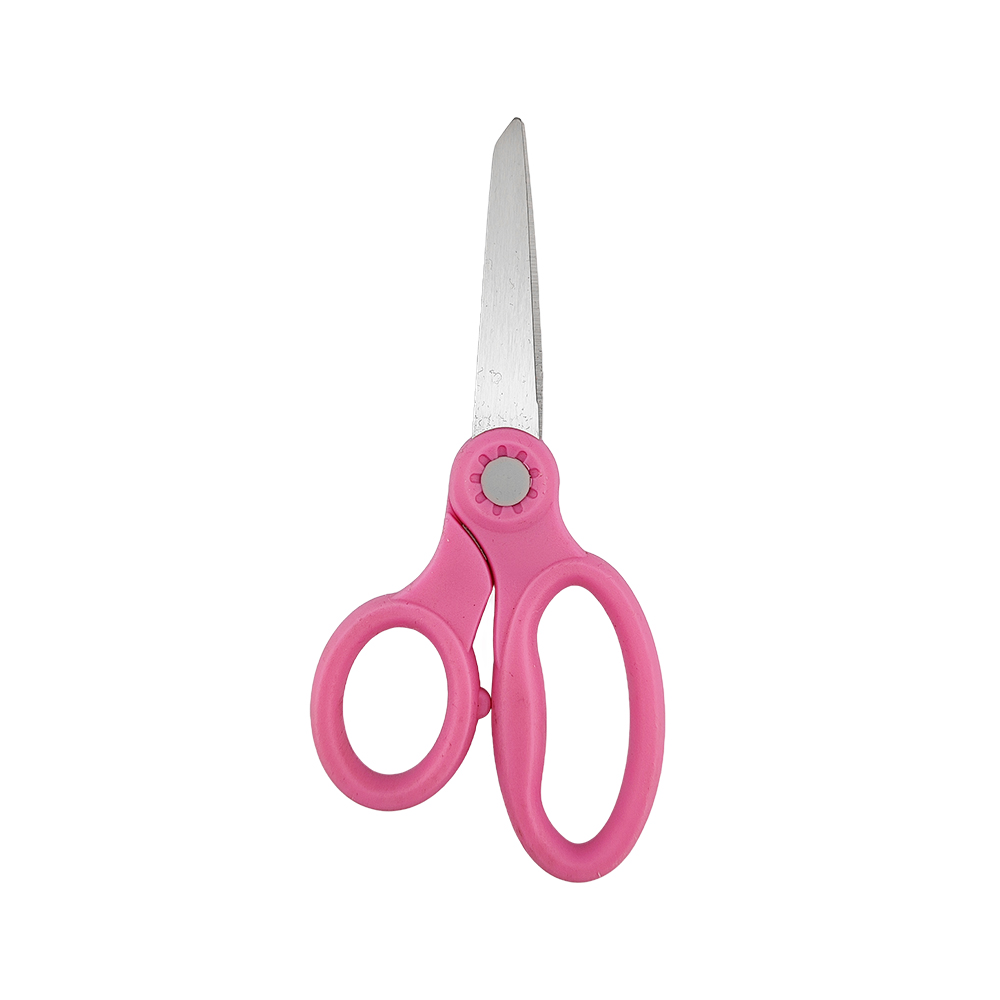
The original product presentation highlights stainless steel blades, ergonomic handles, vibrant pink handles, and suitability for household, office, classroom, wrapping, and craft use. Those are useful starting points, but B2B buyers should go further than appearance. The right sourcing decision depends on blade performance, handle comfort, packaging needs, customization scope, and how clearly the supplier can answer commercial and quality questions.
Key Takeaways
- Household scissors should be evaluated by cutting performance, comfort, safety, finish quality, and consistency across samples.
- Stainless steel blades and ergonomic handles are useful features when confirmed by the supplier and checked in samples.
- OEM buyers should ask about customization options instead of assuming available colors, logos, packaging, or specifications.
- For home use scissors, test the product on realistic materials such as paper, gift wrap, labels, thin cardboard, and craft sheets.
- Supplier selection should include questions about quality control, sample approval, packaging, lead time, and documentation.
What Makes Household Scissors Suitable for Daily Use?
Daily household scissors need to perform well without being overly specialized. They are not kitchen shears, pruning tools, or industrial cutters. Their value comes from dependable performance in ordinary situations: opening mail, cutting coupons, preparing children’s craft materials, trimming paper, or wrapping gifts. For this use case, the blade should align cleanly, the pivot should feel stable, and the handle should be comfortable enough for repeated short tasks.
The source article specifically mentions stainless steel blades, ergonomic handles, and a pink handle design. Those details suggest a product aimed at general consumers who want a practical tool with a more cheerful appearance than plain utility scissors. For retail or OEM programs, this can matter. A visible handle color may help the product stand out on a shelf or make it easier to find in a drawer, while ergonomic shaping can improve the user experience.
Product Selection Checklist for OEM Buyers
Before confirming an OEM household scissors order, buyers should compare samples against the use environment and the target audience. The following checklist can help structure supplier discussions and internal evaluations.
| Evaluation Area | What to Check | Questions to Ask the Supplier |
|---|---|---|
| Blade performance | Clean cutting on paper, wrapping material, labels, and light craft sheets | What blade material is used, and how is cutting consistency checked? |
| Handle comfort | Grip shape, finger space, pressure points, and left- or right-hand usability | Can the handle design, color, or material be customized? |
| Build quality | Pivot tightness, blade alignment, finish smoothness, and opening movement | What inspection steps are used before shipment? |
| Appearance | Color consistency, logo placement, surface finish, and retail appeal | Can the supplier provide pre-production samples for approval? |
| Packaging | Retail card, blister, bulk pack, or set packaging suitability | What packaging options are available for OEM programs? |
| Commercial details | Order quantity, lead time, carton packing, and shipment planning | What are the MOQ, production timeline, and payment terms? |
Blade and Handle Details to Review
The original article states that the scissors feature stainless steel blades. For sourcing purposes, buyers should confirm the specific blade material, thickness, edge finish, hardness process if applicable, and whether the blade treatment suits the intended price point. It is better to ask for clear specifications than to rely on general terms. A supplier may describe several scissors as stainless steel, but actual grade, finish, and performance expectations can differ.
Handle design deserves equal attention. Ergonomic handles can reduce discomfort during repeated use, but comfort is subjective and depends on hand size, grip angle, handle opening, and material feel. If the product is intended for families, classrooms, or promotional distribution, test samples with different users. The source article mentions that the scissors are suitable for adults and kids, but buyers should still ask whether any age recommendation, safety labeling, or packaging warning is required for the intended market.
Customization Options in Custom Scissors Manufacturing
OEM and custom scissors manufacturing can include more than adding a logo. Possible customization areas may include handle color, printed branding, packaging artwork, barcode placement, product sets, or assortment planning. However, buyers should not assume that every option is available for every model. Tooling, color matching, order quantity, and production schedule can all affect feasibility.
For the pink-handled household scissors shown in the original article, a buyer might ask whether the same model can be supplied in other colors, whether color matching can follow a brand reference, and whether logo printing or molded branding is possible. If the scissors are intended for a retail shelf, packaging design and product display are also important. If they are intended for an office or school supply channel, durability, bulk packing, and unit cost may matter more than decorative presentation.
How to Test Samples Before Placing an Order
A sample review should be practical and repeatable. Instead of simply checking whether the scissors cut once, prepare a small testing routine based on real consumer behavior. Cut standard printer paper, wrapping paper, thin cardboard, adhesive labels, and common craft materials. Open and close the scissors repeatedly to feel whether the pivot remains stable and comfortable. Check whether the blades rub too tightly, separate during cutting, or leave torn edges.
- Inspect the scissors visually for scratches, burrs, handle marks, and uneven color.
- Check blade alignment from the tip to the pivot before cutting.
- Cut several household materials and record whether the edge is clean or jagged.
- Ask multiple users to hold the scissors and comment on grip comfort.
- Review packaging samples for protection, labeling space, and shelf presentation.
- Confirm final specifications in writing before approving mass production.
Supplier Questions for B2B Sourcing
When working with a scissors factory or trading partner, the most useful conversations are specific. Ask what quality checks are performed, how samples are approved, what changes are possible, and how production differences are controlled. If the supplier offers OEM service, request a clear explanation of what is included and what requires extra tooling, setup, or artwork preparation.
Important questions include: What is the minimum order quantity for this model? What lead time applies after sample approval? Can the supplier provide product photos, packaging dielines, and carton details? What inspection standard is used before shipment? Are there any market-specific labeling requirements the buyer should review independently? These questions help prevent misunderstandings and keep the sourcing process practical.
Use and Care Guidance for End Users
Although this article focuses on sourcing, end-user guidance can reduce complaints and improve satisfaction. Household scissors should be used for light daily materials, not heavy wire, thick plastic, frozen food, or other tasks outside their design. Keeping the blades clean and dry can help maintain cutting performance. If adhesive residue builds up from labels or tape, users should clean the blade carefully and dry it before storage.
Retail buyers can include simple care instructions on packaging or inserts. Clear guidance helps customers understand the product’s intended use and reduces misuse. For a general-purpose household scissors model, wording should be practical and modest: use for paper, wrapping, craft, office, and light home tasks; store safely after use; keep away from young children unless supervised.
FAQ
What are OEM household scissors?
OEM household scissors are scissors produced for a buyer’s brand, packaging, or product program. Depending on the supplier, customization may include handle color, logo, packaging, or assortment design.
Are stainless steel blades important for home use scissors?
Stainless steel blades are commonly valued for household scissors because they support regular cutting performance and are suitable for many everyday environments. Buyers should still confirm the exact blade specification with the supplier.
Can the pink handle color be changed?
The original product shows vibrant pink handles, but color customization depends on the supplier’s production options, MOQ, tooling, and color matching process. Buyers should request samples before confirming.
What should buyers test before ordering from a scissors factory?
Buyers should test blade alignment, cutting smoothness, handle comfort, finish quality, packaging, and consistency across multiple samples. Commercial details such as MOQ, lead time, and inspection process should also be confirmed.
Are these scissors suitable for classrooms or craft use?
The source article mentions household, office, classroom, wrapping, and craft tasks. For classroom use, buyers should review safety expectations, age suitability, packaging warnings, and local requirements for the target market.
