




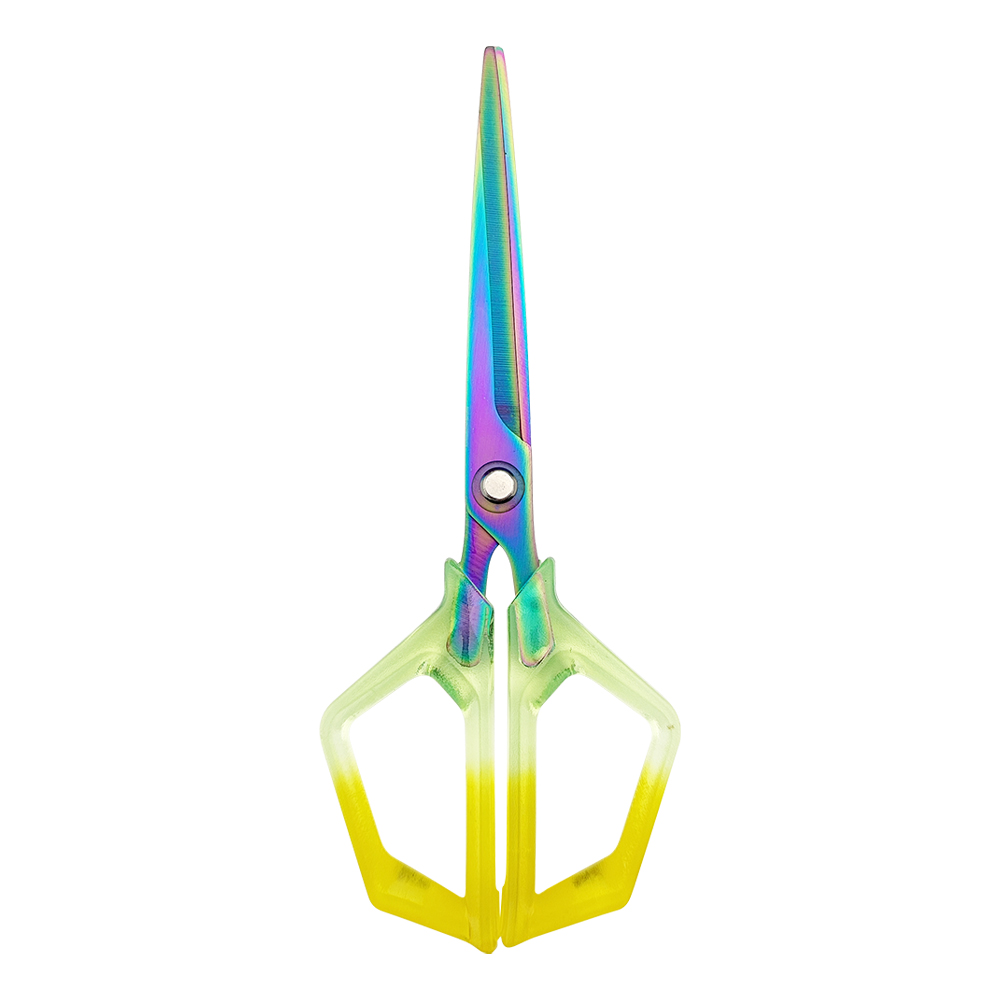
Titanium Scissors vs Stainless Steel: A Practical Cutting Tool Guide
Scissors are simple tools, but the right pair can change the quality and comfort of daily cutting work. People searching for titanium scissors are usually looking for sharpness, durability, and a smooth cutting feel. Those are valid priorities, especially for crafters, office users, packaging teams, teachers, and anyone who cuts paper, card, fabric scraps, ribbon, or light household materials on a regular basis.
At the same time, it is important to compare titanium scissors with premium stainless steel scissors accurately. Titanium is often discussed for hardness, corrosion resistance, and long edge retention, while high-grade stainless steel remains a widely used blade material for reliable precision cutting. Bonet Houseware's Elegant Rose Gold Precision Scissors are described as using premium stainless steel blades, with a rose gold finish and soft pink ergonomic handles. That makes them a useful example when considering performance, comfort, and appearance without assuming every premium scissor must be titanium.
Key Takeaways
- Titanium scissors are commonly chosen for durability, corrosion resistance, and edge retention, but product details should always be verified before purchase.
- Premium stainless steel scissors can still deliver precise, smooth cutting when the blade quality, alignment, and handle comfort are well designed.
- Comfort matters as much as blade material if the scissors will be used for long sessions or repetitive cutting tasks.
- The best choice depends on what you cut, how often you cut, and how carefully you maintain the tool.
What Buyers Mean by Titanium Scissors
The term titanium scissors can describe different product types. Some scissors may use titanium-coated blades, while others may be marketed around titanium-related performance benefits. Because wording varies by supplier and product listing, buyers should check exactly what the blade is made from and whether the titanium is a coating, a finish, or part of the blade material claim.
The practical reason people search for titanium scissors is usually cutting performance. A clean cut reduces tearing, improves accuracy, and saves time. For professional and frequent users, consistency matters: the first cut of the day and the hundredth cut should feel controlled. However, material alone does not determine quality. Blade grinding, edge alignment, pivot tension, handle shape, and maintenance all affect how the scissors perform.
Titanium and Stainless Steel Compared
Both titanium-focused scissors and stainless steel scissors can be suitable for precision work, but they are not identical. Titanium options are often associated with resistance to wear and corrosion, while stainless steel is valued for a balance of sharpness, strength, maintenance, and cost-effective everyday performance. Since the original product information for the Elegant Rose Gold Precision Scissors specifies premium stainless steel blades, it should be evaluated as a stainless steel precision scissor rather than described as titanium.
| Selection Point | Titanium Scissors | Premium Stainless Steel Scissors |
|---|---|---|
| Typical buyer interest | Long-lasting edge, corrosion resistance, premium positioning | Smooth daily cutting, dependable precision, broad usability |
| What to verify | Whether titanium is a coating, finish, or material claim | Blade quality, alignment, finish, and sharpness out of the package |
| Best use cases | Frequent cutting where durability is a top concern | Office, craft, home, school, and general precision tasks |
| Comfort factors | Depends on handle design and weight balance | Depends on handle shape, grip softness, and pivot feel |
| Care needs | Keep clean and dry; follow supplier guidance | Wipe after use, avoid unsuitable materials, store safely |
How to Choose Scissors for Precision Cutting
Before choosing any pair of scissors, define the work they need to do. Cutting printer paper once in a while is very different from cutting packaging inserts all day or preparing craft components for repeated projects. A precise scissor should open and close smoothly, meet evenly along the blade, and cut from the base to the tip without snagging.
- Identify your main materials. Paper, ribbon, card, thin plastic packaging, and fabric scraps can place different demands on the blade.
- Check the handle comfort. Ergonomic handles can reduce fatigue, especially during repetitive cutting.
- Look at the pivot. A loose pivot can reduce control, while an overly tight pivot can strain the hand.
- Assess blade length. Longer blades help with straight cuts; shorter blades may help with detail work.
- Match appearance to the environment. For desks, studios, and giftable tools, finish and color may matter alongside performance.
Where the Elegant Rose Gold Precision Scissors Fit
The Elegant Rose Gold Precision Scissors are presented as a premium stainless steel option rather than a titanium product. Their stated features are premium stainless steel blades, a rose gold finish, and soft pink ergonomic handles. Those details point to a tool designed for smooth cutting, visual appeal, and hand comfort in daily use.
This type of scissor is especially relevant for users who want a refined desk or craft tool but still care about cutting accuracy. The rose gold finish and soft pink handles give the product a distinctive look, while the stainless steel blades are the functional core. For a buyer comparing titanium scissors and stainless steel scissors, the key question is not simply which material sounds more premium. It is whether the scissors cut the intended material cleanly, feel comfortable in the hand, and remain dependable with normal care.
Use and Care Tips for Longer Cutting Performance
Good care helps any scissor perform better over time. Even durable blades can lose cutting quality if they are used on unsuitable materials, stored loosely in a drawer, or exposed to moisture and residue. A few simple habits can protect the edge and keep cutting smooth.
- Use the scissors only on materials suited to their intended purpose; avoid wire, thick plastic, or abrasive materials unless the product is designed for them.
- Wipe the blades after cutting adhesive labels, tape, or coated paper to prevent residue buildup.
- Store scissors closed and dry to protect the edge and reduce accidental damage.
- Do not force the blades through material; if the scissors bend or snag, choose a heavier-duty tool.
- Keep one pair for clean paper or craft work instead of sharing it for rough household cutting.
Questions to Ask Before Buying
If you are buying for an office, studio, school, retail counter, or home workspace, ask practical questions before focusing on finish or material terms. What materials will be cut most often? Will multiple people use the same pair? Is hand comfort important for long sessions? Is the tool being purchased for function only, or should it also look presentable on a desk or in a gift set?
For titanium scissors specifically, ask the seller to clarify the blade construction and any claimed coating. For stainless steel scissors, ask about blade material wording, intended applications, and care recommendations. Avoid assuming performance claims that are not stated clearly. A trustworthy product choice starts with specific answers, not broad marketing language.
FAQ
Are titanium scissors always better than stainless steel scissors?
Not always. Titanium scissors may offer advantages such as durability and corrosion resistance, but stainless steel scissors can provide excellent precision and smooth cutting when well made. The best choice depends on use, comfort, and verified product details.
Are the Elegant Rose Gold Precision Scissors titanium?
The available product information describes them as having premium stainless steel blades, not titanium blades. They should therefore be considered a stainless steel precision scissor unless a supplier provides different verified specifications.
What materials should precision scissors be used for?
Precision scissors are commonly used for paper, light card, ribbon, craft materials, and general desk tasks. Avoid cutting hard, thick, or abrasive materials unless the scissors are specifically designed for that purpose.
How can I keep scissors cutting smoothly?
Keep the blades clean and dry, avoid forcing cuts, store the scissors closed, and reserve them for suitable materials. Removing adhesive residue quickly also helps maintain a smoother cutting action.
What matters most for frequent cutting?
Blade sharpness, blade alignment, pivot smoothness, and handle comfort are all important. For repetitive work, ergonomic handles can be just as important as the blade material because they affect hand fatigue and control.
