




OEM Kitchen Scissors: Practical Sourcing Guide for Buyers
OEM kitchen scissors are a common product for houseware brands, importers, supermarket chains, promotional programs, and online retailers. They are simple enough for everyday use, yet detailed enough that sourcing decisions should not be rushed. A pair of kitchen scissors may need to cut herbs, open food packaging, trim meat, crack nuts, open bottles, and come apart for cleaning. Those functions sound straightforward, but they affect blade design, handle comfort, assembly quality, packaging, and after-sales expectations.
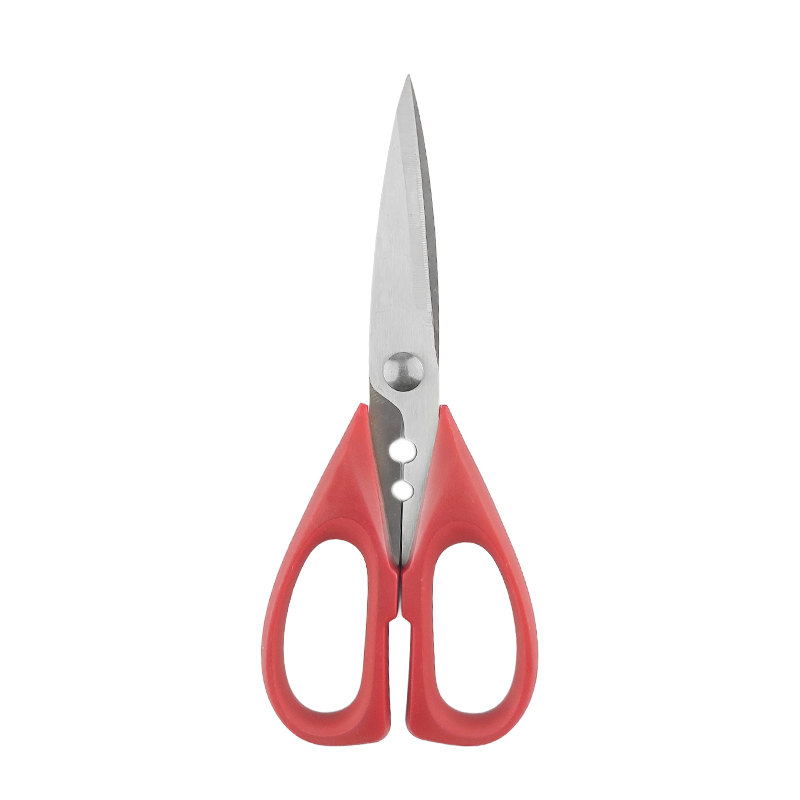
The original Bonet Houseware product article highlights a pair of kitchen scissors with stainless steel blades, red ergonomic handles, a built-in bottle opener, a nutcracker function, and a disassemblable structure for cleaning. Those are useful features for a versatile kitchen shear, but a B2B buyer still needs to verify the commercial and technical details before placing an OEM or wholesale order. This guide explains what to review, what to ask a supplier, and how to compare options without relying only on product photos or short descriptions.
Key Takeaways
- OEM kitchen scissors should be evaluated as both a cutting tool and a multi-function kitchen accessory.
- Useful features may include stainless steel blades, comfortable handles, bottle opener, nutcracker area, and detachable cleaning design, when confirmed by the supplier.
- B2B buyers should ask for material details, sample testing, packaging options, MOQ, lead time, logo methods, and compliance documentation before ordering.
- For long-term sourcing, consistency of blade alignment, handle finish, assembly, and packaging quality matters as much as the initial unit price.
What OEM Kitchen Scissors Are Used For
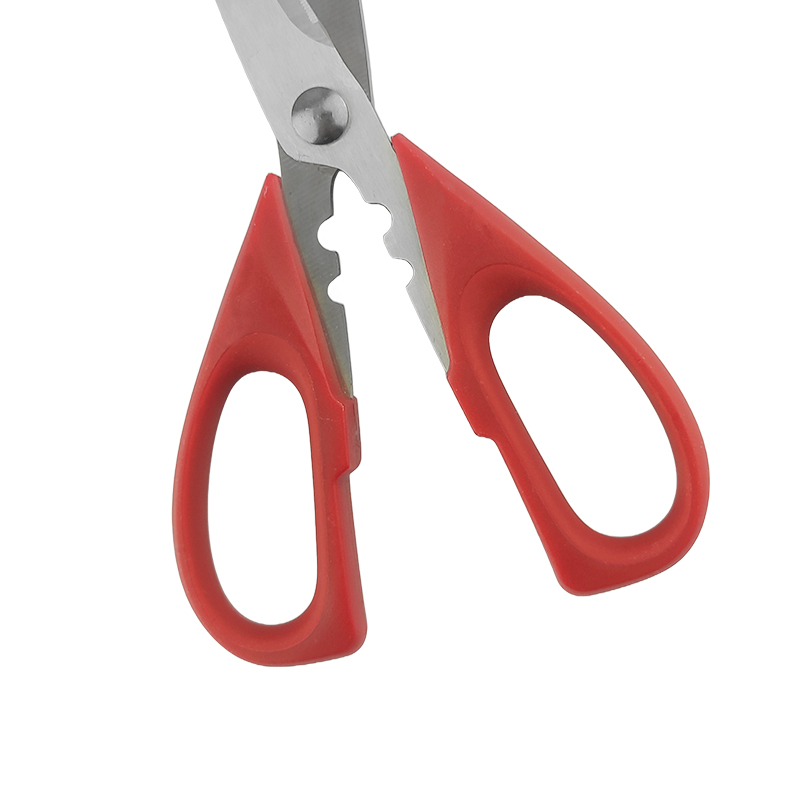
Kitchen scissors differ from office scissors because they are expected to handle food preparation and kitchen packaging. Consumers may use them to cut herbs, trim poultry, open sealed bags, slice thin food items, cut parchment, remove packaging ties, or open bottles when a built-in opener is included. Some designs also include a serrated or curved area between the handles for cracking nuts or gripping small items.
For a buyer, the important point is to match the product to the end user. A retail kitchenware line may prioritize comfort, cleaning, and appearance. A promotional item may focus on basic utility and packaging. A private-label brand may require more detailed customization, such as logo placement, color matching, blister cards, gift boxes, or instruction inserts. The intended sales channel should guide the specification.
Core Product Features to Review
The source article describes OEM kitchen scissors with stainless steel blades, red ergonomic handles, a slip-resistant grip, bottle opener, nutcracker function, and easy disassembly for cleaning. When reviewing a sample, buyers should not simply confirm that those features exist; they should examine how well each feature works in practice.
| Feature | Why It Matters | Questions to Ask the Supplier |
|---|---|---|
| Stainless steel blades | Blade material affects cutting feel, corrosion resistance, and long-term performance. | What stainless steel grade is used? Is the grade shown on the quotation and sample documents? |
| Ergonomic red handles | Handle shape and texture influence comfort, grip security, and perceived quality. | What handle material is used? Can the color be customized or matched to a Pantone reference? |
| Bottle opener | A built-in opener adds utility but should not weaken the handle structure. | Has the opener area been tested for repeated use? Is the metal edge smooth and safe? |
| Nutcracker function | A gripping or cracking area can broaden kitchen use, especially for multi-purpose retail positioning. | What nut sizes can it handle in normal use? Are there limitations buyers should state on packaging? |
| Detachable design | Scissors that disassemble can be easier to clean, especially after food contact. | How does the hinge separate? Does reassembly remain stable after repeated cleaning? |
Blade Quality and Cutting Performance
Blade performance is the first thing end users notice. Even if a product has several extra functions, poor cutting action can lead to complaints and returns. Buyers should test samples on realistic materials: herbs, food bags, thin cardboard, plastic wrapping, parchment paper, and flexible meat trimmings. The blades should meet cleanly along the cutting edge, open and close smoothly, and avoid excessive wobble at the pivot.
Because the article mentions stainless steel and rust-resistant blades, buyers should ask the supplier to specify the exact material and surface treatment rather than relying on general wording. Terms such as stainless steel, rust-resistant, or high-grade can mean different things in different quotations. If the product will be sold in a market with specific food-contact or chemical safety requirements, the buyer should ask what documents can be provided and whether they apply to the exact item being ordered.
Handle Comfort, Grip, and User Experience
Kitchen scissors are often used with wet hands, oily packaging, or during fast food preparation. A comfortable handle can reduce strain and improve control. The original article notes red ergonomic handles with a slip-resistant grip. For sourcing, the buyer should assess the handle opening size, edge smoothness, texture, and balance. A handle that looks attractive in photos may feel narrow, sharp, or slippery in actual use.
Color is also a commercial decision. Red handles can be highly visible in a kitchen drawer and may fit certain retail designs. However, private-label buyers may need black, gray, green, or custom colors to match a wider product range. Before approving a color, ask whether the supplier can provide color chips or pre-production samples, and whether color variation is controlled between production batches.
Multi-Function Details: Bottle Opener and Nutcracker
Multi-function kitchen scissors can be appealing because they reduce the number of separate tools a user needs. The bottle opener and nutcracker functions described in the source article are practical examples. However, each added function should be reviewed for safety and durability. The opener should have a clean edge and a shape that engages a cap securely. The nutcracker area should provide grip without creating sharp pressure points on the hand.
Packaging and instructions should also be realistic. If the nutcracker function is intended for small nuts only, the packaging should not imply heavy-duty cracking. If the bottle opener is a secondary feature, it should be presented as such. Accurate claims help protect brand reputation and reduce disappointment after purchase.
Cleaning, Disassembly, and Care Guidance
Food-contact tools need practical cleaning guidance. A detachable hinge can help users clean between the blades, especially after cutting meat, herbs, or sticky packaging. The original article states that the scissors disassemble for thorough cleaning, which is a useful feature for many households. Buyers should verify how easy the scissors are to separate and whether the hinge remains secure after repeated use.
Consumer instructions should be clear and conservative. For example, packaging or an insert may tell users to wash before first use, clean after contact with raw food, dry thoroughly before storage, and keep the blades away from children. If dishwasher suitability is important for the target market, buyers should ask the supplier whether that has been tested for the exact product, handle material, and surface finish. Do not assume dishwasher safety without confirmation.
OEM and Wholesale Sourcing Checklist
Before confirming an OEM kitchen scissors order, buyers should create a written specification. This helps prevent misunderstandings when moving from sample approval to mass production. A sourcing checklist may include:
- Confirm blade material, thickness, edge style, and surface finish.
- Confirm handle material, color, texture, and logo placement options.
- Test cutting performance on herbs, packaging, paper, and other target-use materials.
- Check the bottle opener, nutcracker area, hinge strength, and detachable mechanism.
- Ask for packaging options, carton details, barcode placement, and instruction insert possibilities.
- Request MOQ, lead time, sample cost, production schedule, and payment terms directly from the supplier.
- Ask which compliance documents or test reports are available for the exact product and destination market.
- Define acceptable quality limits for scratches, loose hinges, poor blade alignment, handle color variation, and packaging defects.
This checklist is not a substitute for professional inspection, but it gives purchasing teams a practical starting point. If the order will be large or the product will be sold under a private label, a third-party inspection or structured in-house quality check may be appropriate.
Packaging and Branding Considerations
Kitchen scissors are commonly sold in blister packaging, paper cards, hanging cards, gift boxes, or e-commerce-ready cartons. The best choice depends on the sales channel. Retail stores may need a hang hole, strong visual presentation, barcode, and concise feature icons. Online sellers may prioritize protective packaging, readable product information, and compact shipping size.
For OEM branding, ask the supplier where a logo can be placed: on the handle, blade, packaging, or instruction card. Each method has trade-offs in cost, appearance, durability, and minimum order requirements. Buyers should also confirm whether artwork templates are available and what file formats are required. If the product is sold in multiple countries, leave enough space for translated warnings and care instructions.
How to Compare Kitchen Scissors Suppliers
Price matters, but it should not be the only comparison point. A low quotation can become expensive if the scissors have inconsistent blade alignment, weak packaging, unclear materials, or slow communication. A reliable supplier should be able to answer technical questions, provide samples that match the quotation, and explain production limitations honestly.
When comparing a kitchen scissors factory, supplier, or herb scissors manufacturer, consider the following: response quality, sample consistency, willingness to document specifications, packaging support, quality-control process, and ability to handle your target market requirements. If certifications, food-contact documents, or test reports are required, ask for current copies and confirm whether they apply to the exact model, material, and production batch under discussion.
Practical FAQ
What should buyers confirm before ordering OEM kitchen scissors?
Confirm the blade material, handle material, size, color, functions, packaging, logo method, MOQ, lead time, payment terms, and available compliance documents. Always compare the approved sample with written specifications.
Are stainless steel kitchen scissors always rust-proof?
No. Stainless steel can offer corrosion resistance, but performance depends on the steel grade, surface finish, care, and use conditions. Buyers should ask suppliers for the exact material grade and care recommendations.
Is a detachable kitchen scissors design better?
It can be helpful for cleaning, especially after food preparation. However, the hinge should be stable after reassembly. Buyers should test repeated separation, cleaning, drying, and reassembly before approval.
Can OEM kitchen scissors be customized?
Many OEM programs may allow customization such as handle color, logo placement, packaging artwork, and instruction inserts. The available options, MOQ, cost, and lead time should be confirmed with the supplier.
How should a buyer test samples?
Use realistic cutting tasks, check handle comfort with dry and wet hands, inspect the pivot, test the opener and nutcracker functions, review cleaning convenience, and compare multiple samples for consistency.
Final Thoughts
OEM kitchen scissors are a practical category, but successful sourcing depends on details. Stainless steel blades, ergonomic handles, a bottle opener, nutcracker function, and detachable cleaning design can all add value when they are properly specified and verified. For B2B buyers, the best approach is to combine hands-on sample testing with clear supplier questions and written requirements. That process helps turn a simple kitchen tool into a dependable product for retail, wholesale, or private-label programs.
