




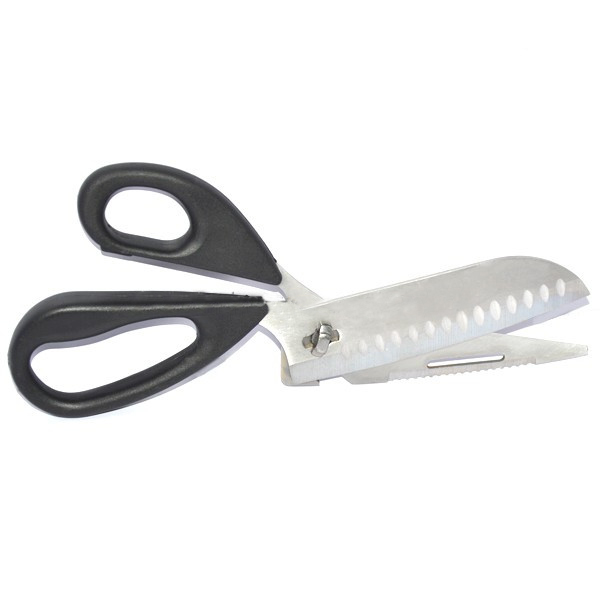
Multi-Functional Scissors: Practical Selection Guide for Kitchen and OEM Buyers
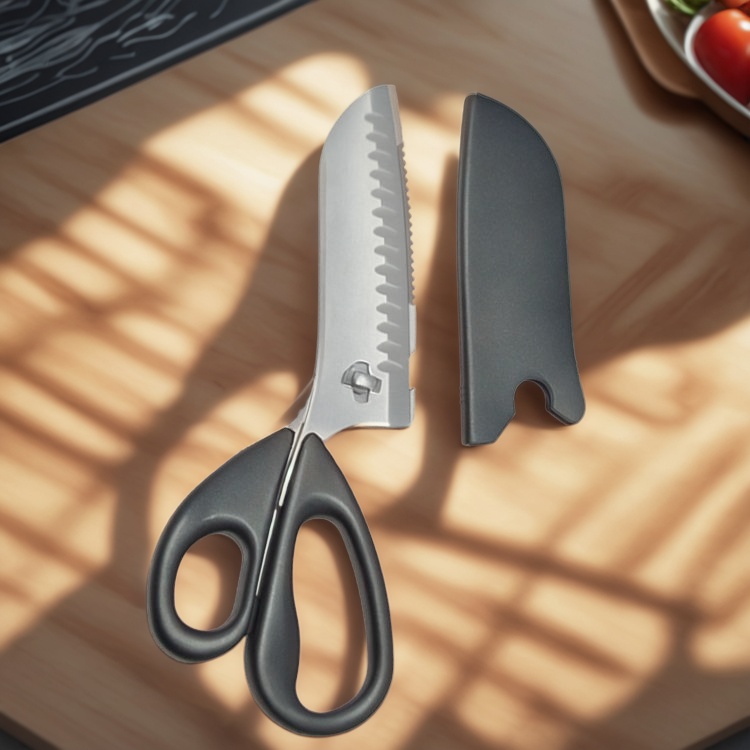
Multi-functional scissors are designed to reduce the number of separate cutting tools needed for everyday food preparation and household tasks. A good pair may help with snipping herbs, trimming food packaging, cutting vegetables, portioning poultry, or handling small utility jobs around the kitchen. For consumers, the goal is to choose a tool that is comfortable, safe, and easy to clean. For retailers, importers, and private-label buyers, the goal is broader: confirm whether the product concept, materials, packaging, and supplier controls match the target market.
This guide explains how to evaluate multi-functional scissors, 2 in 1 scissors, knife and scissors combo products, and OEM scissors projects without relying on vague claims. It focuses on practical selection, sourcing questions, and responsible use-and-care habits.
Key Takeaways
- Choose multi-functional scissors based on the tasks you actually perform, not the longest feature list.
- Check handle comfort, blade alignment, cleaning access, and safe storage before comparing styling.
- For OEM scissors sourcing, ask suppliers for written details on materials, production tolerances, packaging options, and inspection processes.
- A knife and scissors combo can save drawer space, but it should still be easy to control and clean.
- Do not assume food-contact compliance, certifications, or performance testing unless the supplier provides relevant documentation.
What Are Multi-Functional Scissors?
Multi-functional scissors are cutting tools that combine standard scissor action with added kitchen or utility functions. Depending on the design, they may include a secondary blade form, a grip section for cracking shells or nuts, a notch for small bones, a bottle-opening function, or a detachable structure for washing. The original article highlights common use cases such as snipping herbs, cracking nuts, trimming poultry, filleting fish, slicing through tough packaging, and saving space in the kitchen drawer.
The important point is that multi-function does not automatically mean better. A compact tool with two useful functions may be more reliable than a complicated tool with many features that are difficult to clean or uncomfortable to hold. Buyers should evaluate the product as a working cutting tool first and a feature bundle second.
How 2 in 1 Scissors Can Help in Daily Prep
2 in 1 scissors typically combine two related functions in one tool. In a kitchen context, that may mean a scissor layout that also supports slicing, trimming, or light utility cutting. The main benefit is workflow efficiency: instead of switching between a knife, small shears, and packaging cutter, the user can keep one tool nearby for several quick tasks.
For home users, a 2 in 1 design is most useful when it supports frequent, low-effort jobs. Examples include opening ingredient bags, cutting herbs directly over a bowl, trimming fat from meat, or cutting cooked food into smaller portions. For food service or retail buyers, the questions are different: Will the design hold up under repeated use? Is the handle comfortable for different hand sizes? Can staff clean the hinge area effectively? Is the tool intuitive enough to reduce misuse?
Knife and Scissors Combo: When It Makes Sense
A knife and scissors combo can be useful when the product genuinely improves control for tougher or more varied tasks. The original article mentions tougher jobs such as filleting fish and slicing through packaging. These applications require sharpness, secure grip, and predictable movement. If the tool feels unstable, too heavy, or awkward at the pivot, the extra function may become a drawback.
Consumers should consider whether they already have a dedicated chef knife, utility knife, and kitchen shears. If those tools are working well, a combo tool may be most valuable as a compact backup or for small kitchens. For buyers sourcing a combo product, request product drawings or samples and test the transition between functions. The tool should not encourage unsafe hand positions, and any exposed blade area should be considered in packaging, labeling, and storage recommendations.
Comparison Checklist for Selecting Scissors
| Selection Point | Why It Matters | What to Check |
|---|---|---|
| Primary use | Prevents overbuying features | List the top three tasks: herbs, packaging, poultry, fish, or general prep |
| Grip comfort | Improves control and reduces fatigue | Test handle size, finger openings, and slip resistance with dry hands |
| Blade alignment | Affects cutting accuracy | Open and close the scissors to check smooth movement and even contact |
| Cleaning access | Food residue can collect near hinges | Ask whether the structure separates or how the pivot area should be cleaned |
| Storage safety | Reduces risk in drawers and displays | Check whether packaging, sheath, or locking design is available |
| OEM readiness | Supports private-label planning | Ask about branding options, packaging files, sample approval, and inspection steps |
Use and Care Guidance for Kitchen Users
Even a well-designed tool needs correct handling. Use multi-functional scissors only for tasks that match the product instructions. Avoid twisting the blades through hard materials unless the supplier states the product is intended for that use. Cutting frozen food, thick bones, or hard objects can damage ordinary kitchen scissors and may create safety risks.
- Wash the scissors promptly after contact with raw meat, seafood, or sticky ingredients.
- Dry the hinge and handle areas thoroughly before storage.
- Store the scissors in a fixed place so the cutting edge is not hidden loose in a drawer.
- Do not use the same unwashed scissors for raw poultry and ready-to-eat foods.
- Check blade movement regularly; if the tool becomes loose, bent, or hard to close, stop using it for food prep.
If the product is dishwasher-safe, that should come from the supplier's written instructions. Without that information, hand washing and immediate drying are the safer default care method.
OEM Scissors Sourcing Questions for B2B Buyers
OEM scissors customization can help brands tailor a product for a retail channel, promotional range, or kitchenware line. The original article refers to adjusting handles for ergonomics and enhancing blades for specialized cuts. Those are useful directions, but B2B buyers should define them in measurable terms before sampling.
Ask the supplier clear questions: What material options are available for the blades and handles? Which parts can be customized without changing tooling? What branding methods are possible on the handle, blade, insert card, or outer carton? What information is required for packaging artwork? What sample process is used before mass production? What quality checks are performed for blade sharpness, pivot movement, appearance, and packing?
Also ask what compliance documents may be relevant for the destination market. Do not assume food-contact suitability, material grade, or regulatory compliance from product photos. Request documentation where applicable and confirm whether it matches the exact item, material, and production batch being purchased.
How to Evaluate Samples Before Placing an Order
Sample review should include real task testing, not just visual approval. Cut herbs, paper packaging, soft plastic packaging, cooked food, and other materials that match your intended use. For kitchen channels, test cleaning after oily or fibrous foods. For retail buyers, review packaging strength, barcode placement, instructions, warning text, and whether the tool can be displayed safely.
Document the results with photos and written notes. If a sample pinches the hand, feels unbalanced, or leaves residue in hard-to-clean areas, record the issue before requesting revisions. For OEM projects, confirm all approved details in writing: color, logo position, packaging layout, surface finish, labeling, carton marks, inspection criteria, and final sample reference.
FAQ
Are multi-functional scissors better than standard kitchen shears?
They can be better when the added functions match your routine. If you mainly cut herbs and packaging, a simple, comfortable design may be enough. If you need extra utility, compare the added features carefully.
Can 2 in 1 scissors replace a kitchen knife?
Not completely. They may handle quick trimming and small cutting tasks, but a proper knife is still better for chopping, slicing large ingredients, and precise board work.
What should OEM buyers confirm before ordering scissors?
Confirm materials, customization scope, sample approval steps, packaging requirements, inspection standards, lead time, commercial terms, and any documents needed for the destination market.
How should kitchen scissors be cleaned?
Clean them soon after use, especially after raw meat or seafood. Wash around the hinge, rinse well, dry thoroughly, and store safely. Follow supplier instructions if dishwasher use is claimed.
What is the main risk with knife and scissors combo tools?
The main risk is poor control or difficult cleaning if the design is not well matched to the task. Test grip, balance, blade exposure, and cleaning access before purchase or sourcing.
