




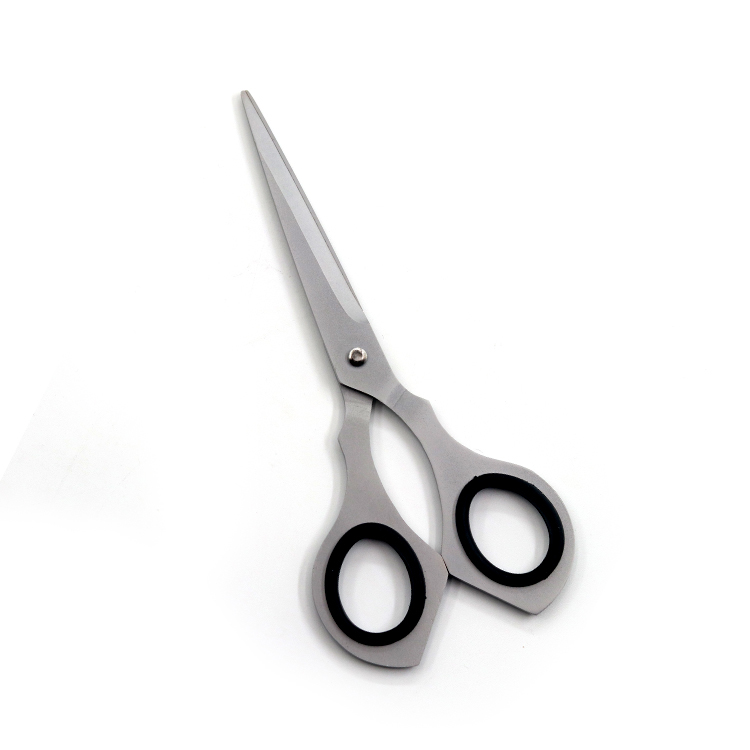
Enhance Precision with Sharp Stationery Scissors
Sharp stationery scissors are simple tools, but the right pair can improve everyday cutting tasks in an office, classroom, studio, or home workspace. Clean cuts on paper, cardstock, labels, packaging, and presentation materials save time and reduce waste. Poorly chosen scissors, by contrast, can snag paper, strain the hand, or become unsafe when used by children or in shared environments.
This guide explains how to evaluate sharp stationery scissors for practical use, how office scissors differ from children's craft scissors, and what buyers should ask when comparing supplier options. It focuses on selection and care rather than broad claims, because details such as blade material, handle design, packaging, testing, and order terms should be confirmed directly with the supplier before purchase.
Key Takeaways
- Choose sharp stationery scissors based on the main cutting task, user age, and frequency of use.
- Office scissors should balance clean cutting, comfortable handling, and easy desk storage.
- Children's craft scissors require age-appropriate safety features, such as blunt tips where suitable.
- Supplier selection should include questions about materials, quality control, packaging, compliance, and after-sales support.
- Regular cleaning, dry storage, and correct use help scissors stay precise for longer.
What Makes Stationery Scissors Useful for Daily Cutting?
Stationery scissors are designed for controlled, repeated cutting rather than heavy industrial use. In everyday settings, they are commonly used to trim documents, open light packaging, cut paper labels, prepare classroom materials, and support craft work. The most useful pair is not always the largest or sharpest option; it is the pair that matches the user's hand, cutting material, and safety needs.
For detailed cutting tasks, blade alignment matters. If the blades do not meet evenly, the scissors may fold paper instead of cutting it. A comfortable handle also matters, especially in offices or schools where scissors may be used repeatedly throughout the day. Compact storage is another practical benefit, as stationery scissors are often kept in desk drawers, supply cabinets, pencil cases, or craft boxes.
How to Choose Scissors for Office Use
Office scissors should be reliable for routine tasks such as opening envelopes, trimming printed pages, cutting tape, and preparing presentation materials. For shared office use, choose a balanced size that works for most adult users and is easy to identify when stored with other supplies. If the scissors will be used frequently, check whether the handles feel comfortable during repeated opening and closing.
Buyers should also consider what the scissors should not be used for. Stationery scissors are not intended for cutting wire, thick plastic, heavy cardboard, or other materials that can damage the edge. If a workplace often handles tougher materials, it may need separate utility cutters or heavy-duty scissors in addition to standard office scissors.
Children's Craft Scissors: Safety and Fit Come First
When the topic involves children's craft scissors, safety should be the first selection factor. The original article notes that supplier options may include blunt-tip versions, which are useful for reducing accident risk in classrooms and home craft activities. However, blunt tips alone do not make a product appropriate for every age group. Buyers should also review handle size, grip comfort, blade exposure, cutting ability, and adult supervision guidelines.
For educational environments, scissors should allow children to complete creative tasks without excessive force. A pair that is too dull can frustrate young users and encourage unsafe handling. A pair that is too sharp or too large may not be suitable for younger children. Schools, distributors, and retailers should ask suppliers to clarify recommended age ranges, packaging warnings, and any applicable safety documentation before placing orders.
Comparison Checklist for Buyers
| Selection Point | Office Scissors | Children's Craft Scissors | Questions to Ask a Supplier |
|---|---|---|---|
| Main use | Documents, labels, envelopes, light packaging | Paper crafts, school projects, supervised activities | What materials are the scissors intended to cut? |
| Safety priority | Controlled handling in shared workspaces | Age-appropriate design and blunt-tip options where needed | What age guidance and warnings are provided? |
| Comfort | Suitable for repeated adult use | Sized for smaller hands where applicable | Are handle dimensions or samples available? |
| Durability | Should withstand daily office routines | Should handle frequent classroom use | How is blade alignment and finish checked? |
| Packaging | Bulk, retail, or desk-supply formats | Classroom packs or retail packs | Can packaging, labeling, and barcodes be customized? |
Supplier and Wholesale Sourcing Guidance
For B2B buyers, sourcing stationery scissors is not only about the unit price. A children's craft scissors supplier, office stationery supplier, OEM partner, or wholesale distributor should be evaluated on consistency, communication, and documentation. Before comparing quotes, define the product scenario clearly: adult office use, classroom craft use, retail stationery sets, promotional giveaways, or mixed-use supply programs.
Ask suppliers for clear information rather than assuming specifications. Useful questions include: What blade material is used? What handle material is used? Are blunt-tip versions available? Can samples be provided before bulk purchase? What packaging formats are offered? How are defects handled? What inspection process is used before shipment? Are any compliance documents available for the target market? If OEM or private label service is needed, ask about artwork requirements, labeling, carton marks, lead times, and any minimum order quantity.
A responsible supplier should be able to explain product limitations as well as product strengths. For example, if the scissors are made for paper and light craft materials, they should not be promoted as suitable for heavy industrial cutting. Clear product positioning helps reduce complaints and returns.
Maintenance Tips for Longer-Lasting Scissors
Regular care helps sharp stationery scissors keep their cutting performance. After use, wipe the blades to remove paper dust, adhesive, tape residue, or craft material fragments. If scissors are used to cut sticky labels or tape, clean the residue promptly so it does not build up near the pivot. Store scissors in a dry place, such as a drawer, stationery tray, or classroom supply box, to reduce the risk of corrosion.
Use scissors only for suitable materials. Cutting hard plastic, metal wire, or thick packaging can dull the blades or affect alignment. In shared offices and schools, labeling scissors by use can help: one pair for paper, one pair for tape, and separate tools for heavier packaging. If the blades become loose, damaged, or difficult to close, remove the scissors from shared use until they can be checked or replaced.
Practical Buying Steps
- Define the user group: adult office staff, students, teachers, hobby users, or mixed users.
- List the main cutting materials, such as paper, cardstock, envelopes, or light packaging.
- Decide whether safety features, such as blunt tips, are required.
- Request samples and test cutting comfort, blade alignment, and grip size.
- Confirm packaging, labeling, inspection standards, and commercial terms with the supplier.
FAQ
Are sharp stationery scissors suitable for children?
Not always. Children's craft scissors should be selected according to age, supervision needs, handle size, and safety features. Blunt-tip versions may be more appropriate for younger users.
What are office scissors best used for?
They are best suited for routine tasks such as cutting paper, trimming documents, opening envelopes, cutting labels, and handling light packaging.
How can I compare stationery scissors suppliers?
Compare samples, material information, packaging options, quality control process, documentation, communication speed, and after-sales support. Do not rely only on price.
How should scissors be stored?
Store them clean and dry, preferably in a drawer, tray, or protected supply area. Avoid leaving them in damp places or mixed with tools that may damage the blades.
When should scissors be replaced?
Replace them when they no longer cut cleanly, the blades are damaged, the pivot is unstable, or the handles are cracked. In schools and offices, damaged scissors should be removed from shared use promptly.
