




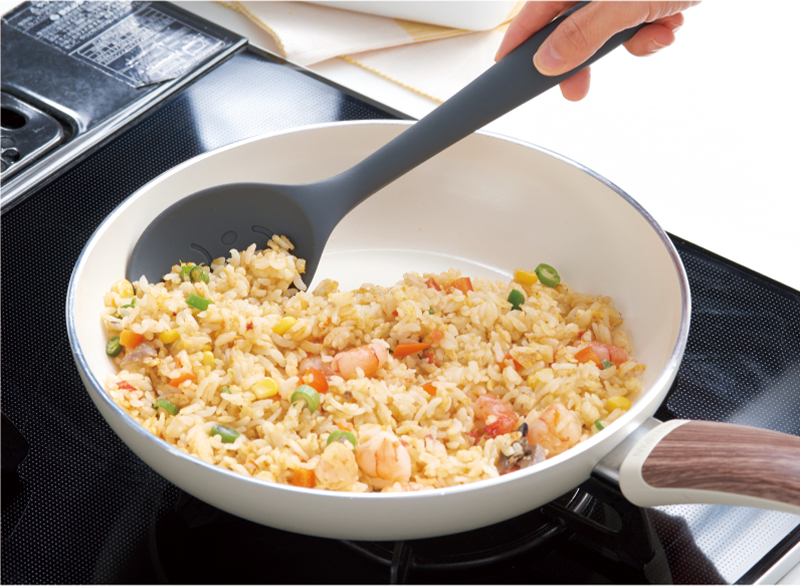
Best Silicone Spoon: Practical Selection and Care Guide
A silicone spoon is one of the simplest tools in the kitchen, but the right choice can make daily cooking easier and cleaner. It can be used for stirring sauces, folding ingredients, serving vegetables, scooping rice, and working around nonstick cookware without the harsh contact of metal utensils. The original Bonet Houseware article introduced a red smile-themed silicone spoon and a coral-colored Smile Spoon, both positioned as cheerful, practical kitchen companions. This rewritten guide focuses on how to evaluate that type of product with a practical eye: material claims, handle comfort, cleaning, storage, and questions to ask before buying for home use, retail, or wholesale sourcing.
Key Takeaways
- A good silicone spoon should feel comfortable, clean easily, and suit the cookware and foods you use most often.
- The original product description highlights food-safe silicone, heat resistance, a slightly angled handle, a small rest feature, a hanging hole, and a smile-face design.
- For B2B buyers, request written confirmation of material, heat-resistance range, packaging options, testing documents, and care instructions before placing an order.
- Consumer buyers should check size, bowl depth, handle grip, dishwasher suitability, and whether the spoon is gentle enough for nonstick pans.
Why Silicone Spoons Are Useful in Daily Cooking
Silicone cooking utensils became popular because they are flexible, relatively quiet in use, and generally less abrasive than metal tools. A spoon made from silicone can move through soups, batters, sauces, and stews without scraping loudly against pans. It is also helpful when working with coated cookware, where a gentler utensil is often preferred.
The best silicone spoon for your kitchen is not necessarily the brightest color or the most decorative design. It should match your cooking habits. If you cook soups and sauces often, you may want a deeper spoon bowl. If you mainly stir stir-fries or casseroles, a firmer edge and comfortable handle may matter more. If you hang utensils on a rail, a handle hole is useful. If you cook with children nearby, a smile-face design may add visual appeal, but safety, cleaning, and durability should still come first.
Product Features Mentioned in the Original Article
The original article described two related products: a red silicone spoon with a cheerful face and a coral-colored Smile Spoon. The red spoon was described as being made from food-safe material, heat resistant, and designed with a slightly angled handle for a more comfortable grip. It also included a small rest protrusion intended to help keep the countertop cleaner, plus a hole at the end for hanging storage.
The Smile Spoon was described as being made from food-grade silicone, gentle on nonstick cookware, durable enough for daily use, heat resistant, and dishwasher safe. It also featured an ergonomic handle and an embossed smile face. These are useful details, but buyers should still confirm exact specifications with the supplier because the source does not provide temperature ratings, dimensions, weight, material grade, or compliance documents.
Silicone Spoon Selection Checklist
| Selection point | Why it matters | What to check before buying |
|---|---|---|
| Material statement | Confirms whether the spoon is intended for food contact. | Ask for the exact material description and any available food-contact documentation. |
| Heat resistance | Important for hot soups, sauces, and pan use. | Request the tested temperature range rather than relying on a general claim. |
| Handle design | Affects comfort during stirring and serving. | Check handle angle, grip width, and whether it feels secure when wet. |
| Spoon bowl shape | Determines whether it works better for stirring, serving, or scooping. | Compare bowl depth, edge flexibility, and overall size. |
| Cleaning method | Reduces odor retention and residue buildup. | Confirm whether the product is dishwasher safe and review care instructions. |
| Storage feature | Helps keep kitchen drawers or rails organized. | Look for a hanging hole or integrated rest if those features matter to users. |
How to Use a Silicone Spoon Well
A silicone spoon is suitable for many routine tasks, but it should still be used thoughtfully. Avoid leaving any utensil sitting in a hot pan for long periods unless the supplier provides a confirmed temperature rating and time limit. Use the spoon for stirring, folding, scooping, and serving rather than cutting or pressing against sharp edges. If the spoon is designed with a flexible edge, it can help collect sauce from the sides of a pan or bowl.
For nonstick cookware, a silicone spoon is often a better choice than metal because it is less likely to scratch the coating during normal use. However, users should still avoid forceful scraping and should follow the cookware manufacturer’s care guidance. If the spoon has a raised smile-face detail, inspect the recessed areas during cleaning to make sure sauce, oil, or batter has not collected there.
Cleaning and Care Tips
Good care extends the usable life of a silicone spoon and keeps it pleasant for everyday cooking. If the product is dishwasher safe, place it where water can reach the spoon bowl and handle details. If washing by hand, use warm water, mild dish soap, and a soft sponge. Pay attention to decorative embossing, the hanging hole, and any small rest feature near the handle.
- Rinse soon after use, especially after tomato sauces, curry, oils, or strongly colored foods.
- Wash with mild soap and avoid abrasive pads that may roughen the surface.
- Dry completely before storing in a drawer or hanging on a rail.
- Check regularly for cracks, tackiness, deep cuts, or areas where food can collect.
- Replace the spoon if the surface becomes damaged or difficult to clean.
Guidance for Retail and Wholesale Buyers
For B2B sourcing, a silicone spoon is a small item, but it still requires careful evaluation. Retailers, distributors, promotional buyers, and OEM customers should not rely only on product photos or short descriptions. Ask the supplier clear questions before confirming an order. Useful questions include: What exact silicone material is used? What temperature range has been tested? Is the spoon dishwasher safe? Are food-contact test reports available for the target market? Can the supplier provide dimensions, unit weight, packaging details, color options, and care labeling?
If you are considering a red smile spoon or a similar novelty kitchen utensil, also evaluate whether the design is suitable for your customer base. A playful face can work well for family kitchens, gift sets, colorful retail displays, or child-friendly cooking themes. For professional kitchen channels, buyers may prefer neutral colors, simpler surfaces, or specifications focused on durability and sanitation. Request samples and test them with realistic foods before making a larger purchasing decision.
When a Red Smile Spoon Makes Sense
A red or coral smile-themed silicone spoon is most suitable when the buyer wants a utensil that is easy to spot in a drawer and friendly in appearance. The small countertop rest described in the original article may be useful for cooks who frequently pause during preparation and want to reduce direct contact between the spoon bowl and the work surface. The hanging hole is also practical for compact kitchens, display racks, and utensil rails.
Design should not distract from function. Before choosing any silicone spoon, hold it if possible, test how it balances in the hand, and consider the foods it will contact most often. A cheerful design can add personality, but the best product is still the one that performs reliably, cleans easily, and fits the user’s cooking routine.
FAQ
Is a silicone spoon safe for nonstick cookware?
The original Smile Spoon description says it is gentle on nonstick cookware. In general, silicone utensils are commonly chosen for coated pans because they are softer than metal. Users should still avoid aggressive scraping and follow cookware care instructions.
Can I put the spoon in the dishwasher?
The original article states that the Smile Spoon is dishwasher safe. For any specific batch or model, confirm the supplier’s care instructions, especially if you are buying for resale.
What heat rating should I look for?
The source mentions heat resistance but does not provide a temperature value. Ask the supplier for the tested heat-resistance range and whether the rating applies to brief contact or extended exposure.
What should wholesale buyers request from a supplier?
Ask for material details, dimensions, unit weight, packaging information, available colors, care instructions, test documents if available, lead time, MOQ, sample policy, and whether OEM or private-label packaging is supported.
How do I know when to replace a silicone spoon?
Replace it if it develops cracks, deep cuts, persistent odors, sticky surfaces, or damaged areas that are hard to clean. Regular inspection is especially important for utensils used daily.
