




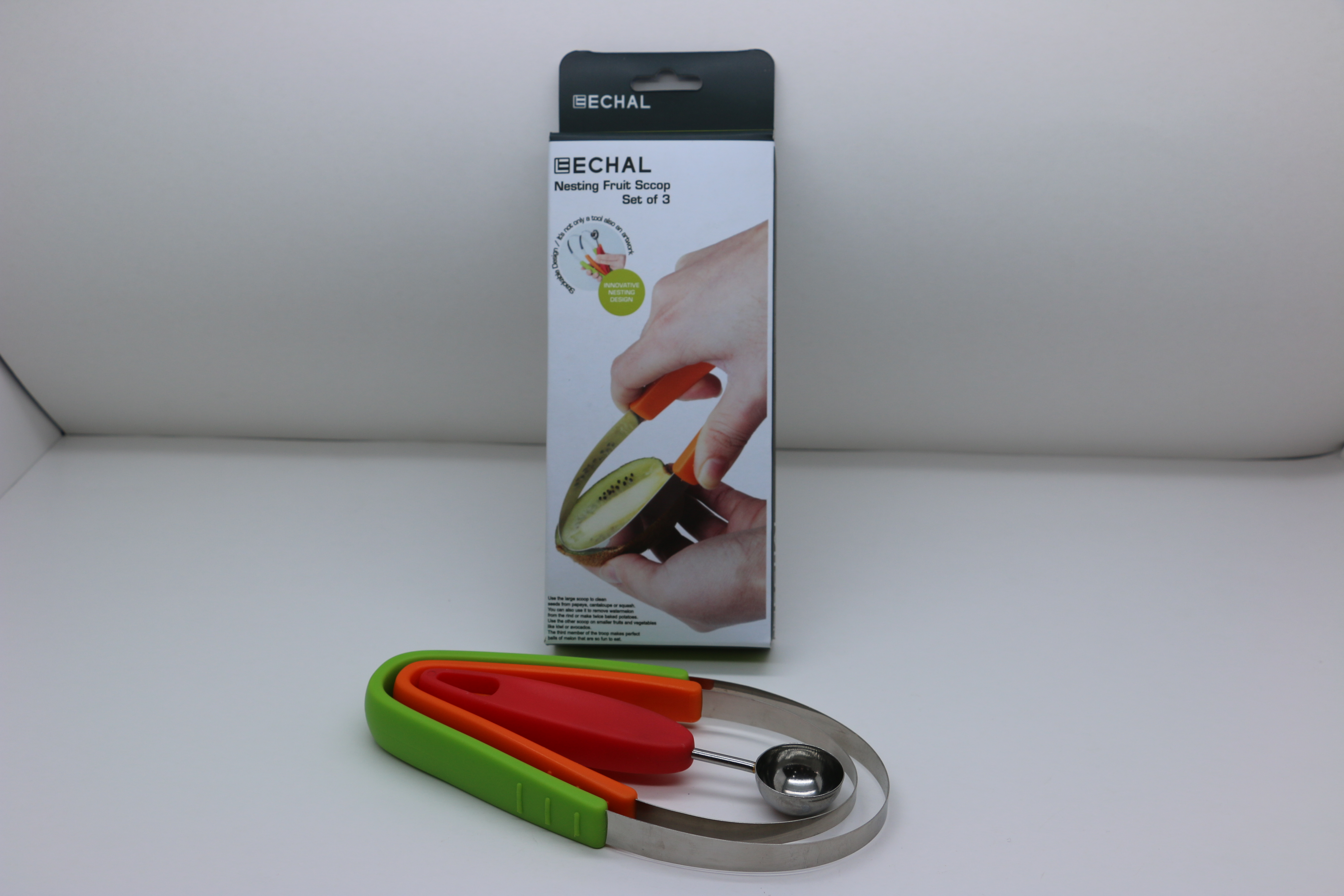
Essential Guide to Nesting Fruit Scoop Benefits
A nesting fruit scoop is a compact kitchen tool designed to scoop, serve, and portion fruit while taking up less drawer space than separate bulky utensils. The original product concept is simple: multiple scoops can stack together, the scoop body is described as stainless steel, and the handles are comfortable with soft color options such as lavender and sky blue. For households, cafes, catering teams, and kitchenware buyers, the value comes from practical handling rather than decoration alone.
This guide explains how a nesting fruit scoop can be used, what benefits matter in daily preparation, and how B2B buyers should evaluate a factory or supplier before placing an order. Because product details can vary by model and supplier, commercial buyers should confirm materials, packaging, testing, and order terms directly instead of assuming they are standard.
Key Takeaways
- A nesting design helps save drawer or prep-station space by allowing multiple scoops to stack together.
- Stainless steel construction is useful for repeated fruit preparation, but buyers should ask the supplier to confirm the exact material grade.
- Comfortable handles can improve grip and control, especially when scooping firm fruit or serving in batches.
- Wholesale and OEM buyers should request clear answers on materials, packaging, quality inspection, customization limits, and lead times.
- The best choice depends on the intended use: home kitchens, catering, retail kitchenware sets, or branded promotional goods.
What Is a Nesting Fruit Scoop?
A nesting fruit scoop is a hand tool used for preparing and serving fruit. It can help with scooping pieces from melons, portioning fruit salad, serving berries, or transferring prepared fruit into bowls and containers. Unlike a single large utensil that may occupy an awkward drawer space, a nestable design allows compatible scoops to sit inside one another.
The original article describes the product as suitable for homes and professional settings. That is a reasonable use case when the design is durable enough for repeated handling and easy enough to clean between tasks. In a home kitchen, the tool may be used for breakfast fruit, picnic preparation, dessert portions, or lunch boxes. In a foodservice setting, the same concept can support faster portioning and cleaner serving during prep.
Main Benefits for Fruit Preparation
The most obvious benefit is organization. Kitchen drawers often become crowded with peelers, spoons, spatulas, tongs, and serving tools. A nesting scoop set reduces storage friction because the pieces align rather than spreading across the drawer.
Another benefit is cleaner handling. A scoop gives the user more control than using a general spoon for soft fruit, especially when transferring prepared fruit from a cutting board or bowl. It can also reduce direct hand contact during serving, which is useful for shared meals and catering work.
Precision is also important. A well-shaped scoop can help portion fruit consistently for salads, dessert cups, buffet trays, and takeaway containers. For businesses, consistent portions support better presentation and more predictable food cost control, although buyers should test the tool with their own fruit sizes and menu formats before standardizing it.
Product Features to Evaluate
The source article identifies several useful features: a compact nesting structure, stainless steel scoop construction, comfortable handles, and soft handle colors including lavender and sky blue. These are helpful starting points, but they do not replace a proper product specification sheet.
Before buying for retail, wholesale, or foodservice, check the details that affect real use:
- Ask what stainless steel grade is used and whether it is suitable for the intended market.
- Check whether the scoop edge feels smooth enough for fruit and safe enough for normal handling.
- Confirm whether the handle is fixed securely and whether color options are standard or custom.
- Request dimensions and weight so you can judge storage, packing, and display requirements.
- Ask how the nesting set is packed to prevent scratching during transport.
Comparison Checklist for Buyers
| Evaluation Point | Why It Matters | Questions to Ask the Supplier |
|---|---|---|
| Nesting fit | Determines whether the set truly saves space and packs efficiently. | Do the scoops stack securely, and can you provide photos or samples of the nested set? |
| Stainless steel details | Affects durability, corrosion resistance, and market positioning. | What material grade is used, and can it be confirmed in a specification sheet? |
| Handle comfort | Influences grip, control, and user satisfaction during repeated prep. | What handle material and color options are available, including lavender and sky blue? |
| Surface finish | Impacts cleaning, appearance, and perceived quality. | How is the scoop finished, and what inspection process checks burrs or sharp edges? |
| Packaging | Important for retail display, shipping protection, and private label projects. | What standard packaging is offered, and what custom packaging information is required? |
| Quality control | Helps reduce inconsistent batches and returns. | What checks are performed before shipment, and can inspection criteria be shared? |
Guidance for Wholesale, OEM, and Supplier Sourcing
For B2B buyers, a nesting fruit scoop should be evaluated as both a utensil and a packaged kitchenware item. The factory or supplier may be able to discuss manufacturing steps such as shaping metal parts and assembling handles, but buyers should avoid relying on broad claims without documentation. Ask for a sample first and test it with the fruit types your customers are most likely to prepare.
If you are sourcing for a retail brand, confirm whether the supplier can support your required color palette, packaging format, barcode placement, user instructions, and carton labeling. If you are sourcing for foodservice, prioritize practical handling, cleaning, and durability over decorative details. If the order involves OEM branding, ask what artwork files are needed, where logos can be placed, and whether any tooling or setup requirements apply.
Buyers should also ask about applicable market requirements. Instead of assuming compliance, request written information about material declarations, food-contact documentation, and any testing reports that are relevant to your destination market. If those documents are not available, consider whether the product is suitable for your sales channel.
How to Use a Nesting Fruit Scoop Well
For everyday use, match the scoop to the texture of the fruit. Soft berries and cut fruit need gentle handling, while firmer melons may require more pressure and a steady grip. Use the scoop to transfer prepared fruit from a bowl to a plate, to portion fruit salad, or to serve dessert toppings neatly.
The tool can also be useful beyond fruit. The original article mentions portioning desserts and mixing ingredients. Those uses make sense when the scoop size and shape suit the task. For example, it may help serve pudding, yogurt toppings, or small salad portions. However, avoid using it for tasks that could damage the edge, bend the scoop, or stain the handle unless the supplier confirms the tool is designed for that use.
Care and Storage Tips
Good care helps maintain the scoop's appearance and usability. Wash the scoop after contact with acidic fruits such as citrus or pineapple, then dry it before storage. If the handle has a colored finish or soft-touch surface, avoid abrasive pads unless the supplier says they are safe. When storing a set, nest the scoops only after they are clean and dry so moisture does not remain trapped between pieces.
For commercial kitchens, create a simple routine: wash, inspect, dry, and store in the same place after each prep period. If a scoop becomes loose at the handle, develops rough edges, or shows visible damage, remove it from service until it is checked.
Practical FAQ
What is the main advantage of a nesting fruit scoop?
The main advantage is space-saving storage. Multiple scoops can stack together, making them easier to organize in drawers, prep stations, or retail packaging.
Is stainless steel always the best material?
Stainless steel is a common choice for kitchen tools because it can be durable and easy to clean. Buyers should still ask the supplier to confirm the exact grade and intended use.
Can it be used in professional kitchens?
Yes, the concept can suit professional fruit preparation and serving, but foodservice buyers should test samples for grip, durability, cleaning, and portion size before purchasing in volume.
What should wholesale buyers confirm before ordering?
Confirm material specifications, handle options, packaging, inspection standards, sample availability, lead time, customization process, and any documents required for your sales market.
Are lavender and sky blue the only handle colors?
The original product description mentions soft colors like lavender and sky blue. Other colors should not be assumed; ask the supplier what current or custom options are available.
