




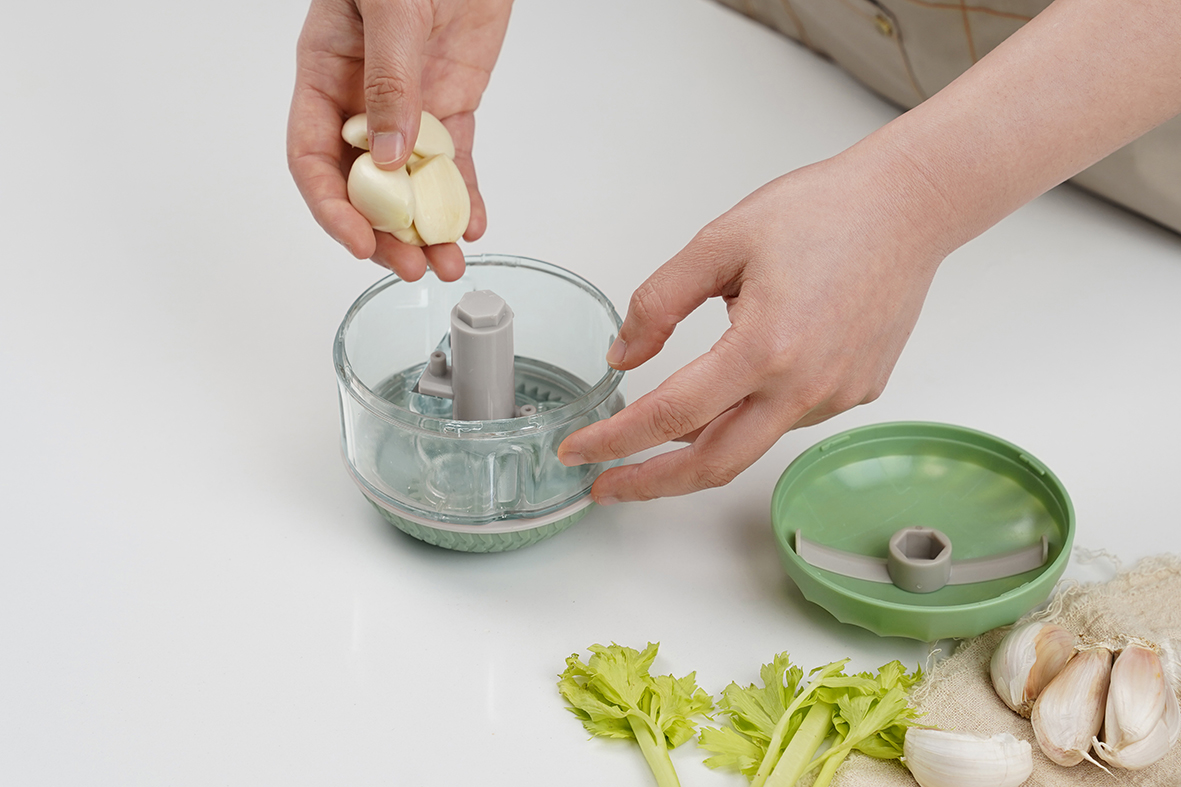
Essential Kitchen Garlic Tools: Easy to Use Garlic Presses
Fresh garlic is a small ingredient with a big effect on everyday cooking. It is used in pasta sauces, stir-fries, marinades, soups, dressings, and many other dishes. The challenge is preparation: peeling, mincing, crushing, and cleaning up can take more time than expected, especially when hands, cutting boards, and knives pick up a strong garlic smell. Kitchen garlic tools are designed to make this process easier and more efficient for home cooks and professional kitchens alike.
Among these tools, the easy to use garlic press is one of the most familiar. It crushes garlic cloves with hand pressure, helping users produce fine garlic quickly and with less direct handling. A press is not the only option, however. Garlic rockers, peelers, graters, choppers, and traditional knives all have a place depending on the recipe, texture preference, and cleaning routine.
Key Takeaways
- Garlic tools reduce prep time and help limit mess when handling fresh cloves.
- An easy to use garlic press is best when you want finely crushed garlic for sauces, stir-fries, dressings, and marinades.
- Comfort, cleaning access, storage space, and the desired garlic texture matter more than choosing the most complicated tool.
- Buyers should check material, hinge strength, basket design, and cleaning instructions before purchasing.
- No single tool fits every cook; many kitchens benefit from a simple combination of peeler, press, and knife.
Why Garlic Tools Matter in Daily Cooking
Garlic can be chopped by hand with a knife, and many cooks prefer that level of control. Still, dedicated kitchen garlic tools solve several practical problems. They can speed up repeated prep, help produce a more consistent texture, and reduce the amount of sticky garlic residue on fingers. In a busy home kitchen, this means faster meal preparation. In a professional setting, it can support more consistent mise en place when several dishes require garlic at the same time.
Texture is another reason to choose the right tool. Crushed garlic releases more juices and tends to blend quickly into sauces and oil-based cooking. Sliced or roughly chopped garlic has a milder, more distinct presence. A press produces a different result from a knife, so the best tool depends on the dish rather than habit alone.
What an Easy to Use Garlic Press Does Well
A garlic press works by forcing a clove through small holes or slots, creating crushed garlic without requiring fine knife work. For cooks who prepare garlic often, this can save time and reduce effort. It is especially helpful when recipes call for garlic that should disappear into the background of a sauce, soup base, or marinade.
Ease of use depends on more than the general shape of the press. Look at the handle length, hinge movement, pressing chamber, and whether the basket is simple to clear after use. A press that feels comfortable in the hand and opens wide enough for easy cleaning is usually more useful than one that looks compact but traps garlic fibers in hard-to-reach corners.
Comparison of Common Kitchen Garlic Tools
The following table compares typical garlic prep tools and where each one performs best. Use it as a checklist when deciding which option fits your kitchen routine.
| Tool | Best Use | Texture Result | What to Check Before Buying |
|---|---|---|---|
| Garlic press | Fast crushing for sauces, stir-fries, and marinades | Fine, juicy crushed garlic | Comfortable handles, sturdy hinge, easy-clean basket |
| Garlic rocker | Pressing garlic on a board with a rocking motion | Minced to crushed, depending on pressure | Stable grip, smooth edges, cleaning access |
| Garlic peeler | Removing skins before chopping or pressing | Whole peeled cloves | Flexible material, simple rinsing, storage size |
| Garlic grater | Very fine garlic for dressings or dips | Paste-like texture | Surface sharpness, finger safety, ease of washing |
| Chef’s knife | General chopping, slicing, and crushing | Fully adjustable | Knife control, cutting board stability, user skill |
How to Choose the Right Garlic Press
When choosing an easy to use garlic press, start with your cooking habits. If you only use garlic once a week, a simple, compact model may be enough. If you cook with garlic daily, comfort and cleaning speed become more important. The best choice is the one you will actually use and wash without frustration.
- Check hand comfort: Handles should feel stable and not require excessive squeezing for a normal clove.
- Inspect the pressing chamber: A chamber that is too small may require cutting cloves first, while a hard-to-access chamber can slow cleaning.
- Look for smooth operation: The hinge should open and close evenly without feeling loose or stiff.
- Consider cleaning method: Ask whether the tool is intended for hand washing, dishwasher use, or both. Follow the supplier’s instructions.
- Match the tool to your recipe style: Choose a press for fine garlic, a knife for sliced garlic, and a peeler when preparing multiple cloves.
How to Use a Garlic Press Effectively
Using a garlic press is straightforward, but a few habits improve results. First, separate a clove from the bulb and remove any loose outer skin. Some presses can handle unpeeled cloves, but this depends on the design; do not assume it unless the supplier states it clearly. Place the clove in the chamber, close the handles steadily, and scrape the crushed garlic from the outside with a spoon or knife edge.
For best flavor control, add pressed garlic at the right moment. In hot oil, finely crushed garlic can brown quickly and turn bitter if cooked too long. For stir-fries, have the rest of your ingredients ready before pressing the garlic. For dressings or marinades, let the crushed garlic sit briefly with salt, acid, or oil so its flavor can spread evenly.
Cleaning and Care Tips
Cleaning is one of the main reasons people stop using garlic tools. Garlic fibers can dry quickly and become difficult to remove, so rinse the press soon after use. Open the tool fully and flush water through the holes from both sides. If the design includes a cleaning grid or removable basket, use it as directed by the supplier.
- Do not let crushed garlic dry inside the holes or hinge area.
- Use a small brush or toothpick-like cleaning tool only if it will not damage the surface.
- Dry the tool thoroughly before storage, especially around joints and cavities.
- Store it where the pressing head is not bent or forced under heavier utensils.
- Follow the stated care instructions instead of assuming every garlic press can be cleaned the same way.
When a Garlic Press Is Not the Best Choice
A garlic press is useful, but it is not always ideal. If a recipe calls for thin garlic slices, such as gently cooked garlic in oil, a knife or slicer gives better control. If you want roasted garlic cloves to remain visible and soft, pressing is unnecessary. If you are preparing a large batch, a chopper or food processor may be more efficient, depending on the quantity and desired texture.
There is also a flavor consideration. Pressed garlic exposes more surface area, so it can taste stronger than chopped garlic. That intensity is helpful in sauces and marinades but may overpower delicate dishes. Start with less if replacing chopped garlic with pressed garlic, then adjust to taste.
FAQ
Do I need to peel garlic before using a press?
It depends on the design. Some presses may work with unpeeled cloves, while others perform better with peeled cloves. Check the supplier’s instructions before relying on this feature.
Is pressed garlic the same as minced garlic?
No. Pressed garlic is usually finer and juicier than hand-minced garlic. It blends quickly into liquids and cooked dishes, while minced garlic can keep more texture.
What is the easiest garlic tool to clean?
The easiest tool is usually one with open access, few tight corners, and clear cleaning instructions. A simple peeler or knife is often faster to rinse, while a press should be cleaned immediately after use.
Can professional kitchens use garlic presses?
Yes, when the tool matches the prep volume and cleaning workflow. Professional buyers should ask suppliers about durability, care instructions, replacement parts if relevant, and whether the tool suits repeated daily use.
How do I reduce garlic smell on my hands?
Using a peeler and press can reduce direct contact with cut garlic. Washing hands promptly with soap and cool water also helps, and cleaning boards and tools soon after prep prevents odors from spreading.
Final Thoughts
Kitchen garlic tools are not about replacing cooking skill; they are about choosing the right shortcut for a common task. An easy to use garlic press can make fresh garlic faster, cleaner, and more consistent, especially for sauces, stir-fries, and marinades. Compare the tool’s comfort, cleaning access, and texture result before buying, and keep a knife or peeler nearby for recipes that need more control.
