




Essential Scissors for Scrapbooking: A Practical Buying Guide
Scissors for scrapbooking are small tools with a big influence on the final look of a page. Clean edges, controlled curves, accurate trimming, and comfortable handling all depend on choosing the right pair. Whether you are preparing photo mats, trimming patterned paper, cutting fabric accents, or shaping small decorative pieces, the best scissors are the ones that match the material, the cutting style, and the amount of time you spend crafting.
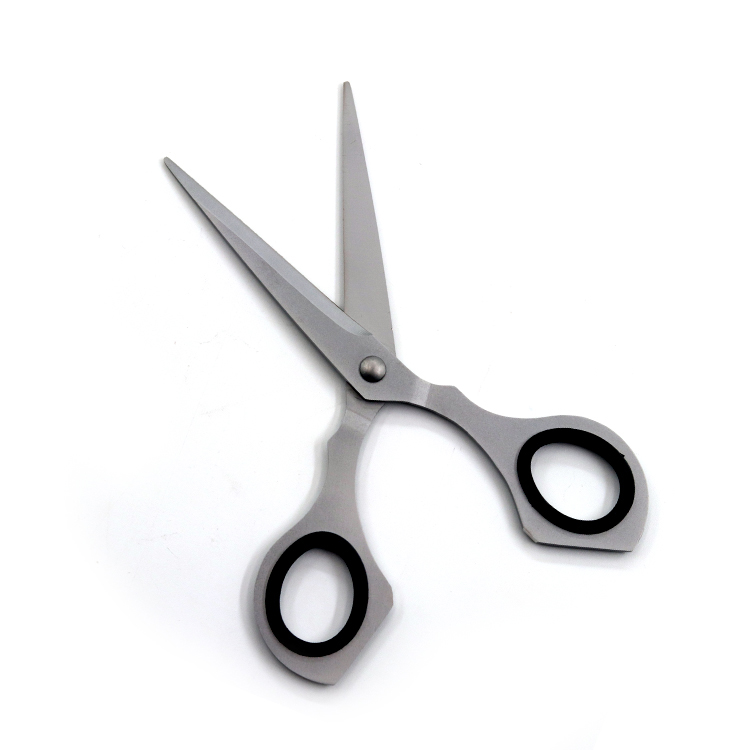
The original product description highlights stationery cutting scissors with ergonomic handles, durable stainless steel blades, a matte rose finish, and soft grip handles. Those are useful features to consider, but buyers should still evaluate scissors by practical performance rather than appearance alone. This guide explains what to look for, how to compare options, and what questions to ask when sourcing from a specialty cutting tools supplier.
Key Takeaways
- For scrapbooking, prioritize sharp blades, controlled tips, and comfortable handles over decorative styling alone.
- Stainless steel blades are a useful choice for stationery scissors because they can offer durability and edge retention when properly maintained.
- Ergonomic and soft grip handles can reduce hand strain during long cutting sessions.
- If buying wholesale or OEM, ask suppliers about materials, packaging, quality checks, customization limits, lead times, and sample availability.
Why Scrapbooking Scissors Matter
Scrapbooking often requires more precision than general household cutting. A rough edge on copy paper may be acceptable in everyday use, but it can stand out on a layered scrapbook page. When cutting around photos, labels, journaling cards, and embellishments, the scissors should follow the hand smoothly without tearing, bending, or pulling the material.
Good craft scissors help with three common tasks: straight trimming, detail cutting, and material switching. Straight trimming is useful for borders and blocks. Detail cutting is important when cutting curves, corners, and small shapes. Material switching matters because many crafters move between paper, cardstock, fabric pieces, ribbon, and other lightweight craft materials. A versatile pair of stationery cutting scissors can handle many of these jobs, but it is still wise to test the tool on the exact materials used in your projects.
Important Features to Compare
Start with the blade. The original article notes durable stainless steel blades, which are common in quality stationery cutting scissors. Stainless steel is valued for durability and resistance to everyday wear, but performance still depends on blade thickness, sharpening quality, alignment, and how the scissors are used. Ask whether the blade is intended for paper only or for mixed craft materials such as fabric and light decorative sheets.
Next, examine the handle. Ergonomic handles are useful for users who cut for long periods, especially when preparing multiple pages or kits. Soft grip handles can improve control and help reduce discomfort. Handle size also matters: a pair that fits one user may feel cramped or loose to another. For classroom, workshop, or retail environments, it may be helpful to offer a balanced handle size that suits a wide range of users.
Finally, consider visibility and finish. A matte rose finish can make scissors look distinctive in a craft workspace or retail display. However, finish should not replace functional inspection. Check whether the finish is even, whether it affects grip, and whether it remains comfortable after repeated use.
Comparison Checklist for Scrapbooking Scissors
| Feature | Why It Matters | What to Check Before Buying |
|---|---|---|
| Blade material | Influences durability, cutting feel, and maintenance needs. | Ask if the blades are stainless steel and confirm intended materials. |
| Blade sharpness | Clean cuts reduce paper tearing and uneven edges. | Test on paper, cardstock, fabric scraps, and curved shapes. |
| Tip control | Helps with corners, small labels, and detailed designs. | Check whether the tips meet cleanly and follow curves accurately. |
| Handle comfort | Reduces strain during long scrapbooking sessions. | Look for ergonomic shaping and soft grip contact points. |
| Finish | Affects appearance and shelf appeal. | Inspect the matte rose finish for consistency and smooth edges. |
| Supplier support | Important for wholesale, OEM, and repeat orders. | Ask about samples, packaging, customization, lead time, and inspection process. |
How to Use Scissors for Cleaner Craft Cuts
Even a good pair of scissors needs proper technique. Use long, steady cuts for straight edges instead of short, choppy movements. For curved shapes, rotate the paper rather than twisting the scissors aggressively. When cutting around a photo or printed design, leave a small margin first, then trim closer in a second pass for better control.
For mixed materials, consider keeping separate scissors for paper and fabric. Paper can dull blades more quickly, and fabric often needs a clean edge to avoid fraying. If you use one pair for multiple materials, wipe the blades after adhesive paper, glitter sheets, or sticky-backed embellishments. Residue on the blades can cause dragging and uneven cuts.
Care and Maintenance Tips
- Wipe blades with a dry or slightly damp cloth after cutting adhesive or coated materials.
- Store scissors closed to protect the tips and prevent accidental damage.
- Avoid cutting wire, thick plastic, or materials the scissors were not designed for.
- Keep them away from moisture when not in use, even if the blades are stainless steel.
- If cutting becomes uneven, check for blade residue or loose alignment before replacing the tool.
Maintenance is especially important for shared craft rooms, schools, workshops, and studios. Labeling scissors by use, such as paper, fabric, or general craft, can extend useful life and keep results more consistent.
B2B Sourcing Guidance for Craft and Stationery Buyers
If you are sourcing scrapbooking scissors for retail, promotional sets, craft kits, or private label projects, avoid making a decision based only on photos. Request samples and test them under real use conditions. Cut common scrapbook materials, evaluate handle comfort, and inspect the finish after repeated handling.
Useful questions for a specialty cutting tools supplier include:
- What blade material is used, and is stainless steel confirmed for this model?
- Which materials are the scissors designed to cut: paper, fabric, cardstock, ribbon, or other craft materials?
- Can the supplier provide samples before bulk ordering?
- What packaging options are available for retail, craft kits, or OEM programs?
- Are handle colors, finishes, or branding options available, and what are the requirements?
- What inspection steps are used for blade alignment, handle comfort, finish quality, and packaging?
- What are the lead time, order quantity, and reorder procedures?
Do not assume commercial details such as minimum order quantity, production capacity, certifications, or compliance testing unless the supplier provides documentation. For a professional purchase, ask for written specifications and confirm any market requirements for your sales region.
Who Should Choose These Scissors?
Stationery cutting scissors with ergonomic handles and stainless steel blades are a sensible option for many everyday scrapbookers. They suit users who want one reliable tool for general paper trimming, light fabric accents, and detailed craft work. The soft grip handles make them more comfortable for longer sessions, while the matte rose finish may appeal to buyers who want a more polished look for retail or personal craft spaces.
They may not replace every specialty tool. For example, a paper trimmer is still faster for repeated straight cuts, and decorative-edge scissors create patterned borders that standard scissors cannot. However, a well-made general pair remains one of the most frequently used tools in a scrapbooker’s kit.
Practical FAQ
Can scrapbooking scissors cut fabric?
The original description states that stationery cutting scissors can be used for paper, fabric, and other materials. For best results, test them on the specific fabric weight you plan to use and avoid heavy textiles unless the supplier confirms suitability.
Are stainless steel blades important?
Stainless steel blades are useful because they are durable and can maintain an edge over time with proper use. Still, blade sharpness, alignment, and maintenance are just as important as the material name.
What handle features help during long craft sessions?
Eronomic shaping and soft grip handles can reduce hand strain and improve control. If you cut for extended periods, choose scissors that feel stable without forcing your fingers into an uncomfortable position.
What should wholesale buyers confirm before ordering?
Wholesale buyers should confirm material specifications, sample availability, packaging choices, branding options, quality inspection methods, lead time, order quantity, and any documentation needed for the target market.
How do I keep scrapbook scissors cutting smoothly?
Use them only on suitable materials, clean adhesive residue from the blades, store them closed, and avoid moisture. If possible, keep separate scissors for paper and fabric to preserve cutting performance.
