




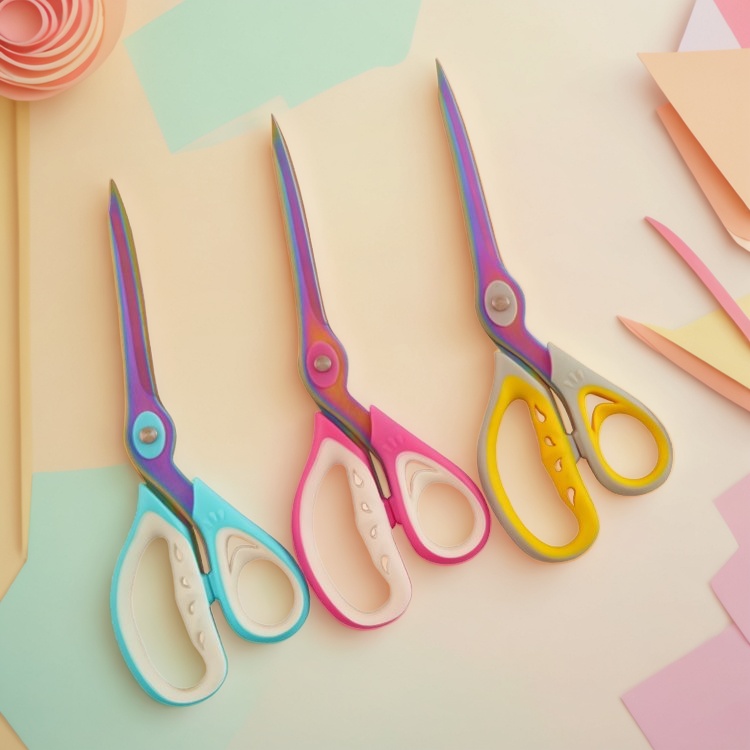
OEM Household Scissors: Custom and Wholesale Sourcing Guide
OEM household scissors are everyday cutting tools supplied for private label, retail, promotional, school, craft, and general household channels. For B2B buyers, the main question is not simply whether a pair of scissors looks acceptable. The stronger sourcing question is whether the product, packaging, quality control process, and supplier communication can support your intended market consistently.
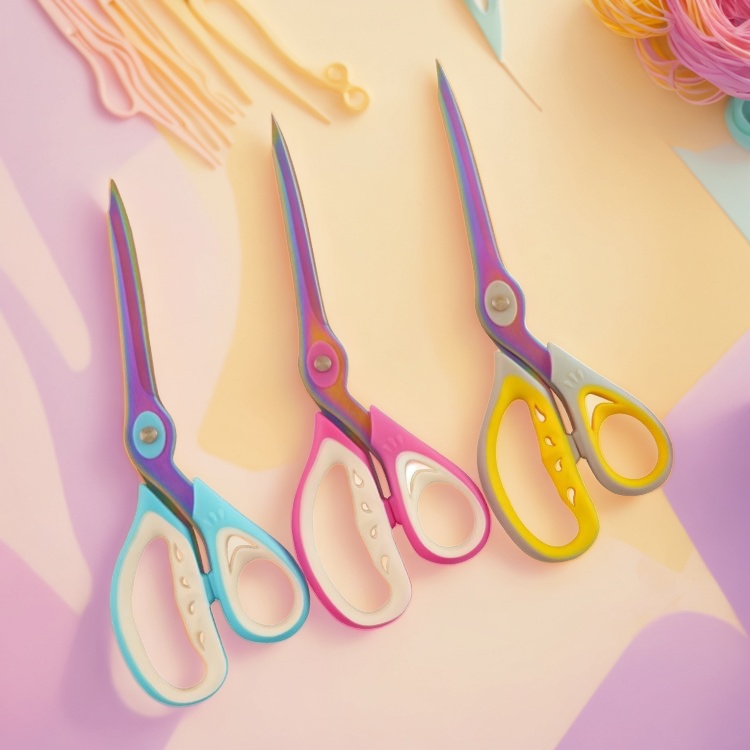
The original article introduced OEM household scissors, Chinese factory scissors, custom manufacturing, and wholesale buying advantages. This expanded guide focuses on how buyers can evaluate those options with clearer purchasing criteria and fewer assumptions.
Key Takeaways
- OEM household scissors are best evaluated by intended use, blade performance, handle comfort, packaging needs, and supplier reliability.
- Custom scissors manufacturing can include branding, handle color, packaging, and possible design changes, but every option should be confirmed with the factory.
- Wholesale buying may reduce unit purchasing complexity, but buyers should still request samples, inspection standards, and delivery details.
- Do not rely only on product photos; ask suppliers about materials, tolerances, testing methods, labeling, and after-sales handling.
What OEM Household Scissors Mean for Buyers
OEM, or original equipment manufacturing, usually means a supplier produces scissors according to a buyer’s brand, packaging, or product requirements. In the household category, scissors may be used for paper, packaging, light craft projects, kitchen utility tasks, school supplies, office drawers, or general home organization. Because these use cases vary, buyers should define the application before requesting a quote.
A retailer may need affordable, dependable scissors in blister packaging. A brand owner may need custom colors and branded packaging. A distributor may need a stable wholesale item that can be reordered with consistent appearance. These are different purchasing goals, even if the product category is the same.
Why Chinese Factory Scissors Are Common in Global Sourcing
Chinese factory scissors are common in international supply chains because many buyers look to China for scalable production, broad supplier choice, and experience with export-oriented household goods. The original article noted the role of Chinese factories in cost-effective production and mass manufacturing. However, buyers should still compare factories carefully rather than assuming all production is equal.
When contacting a scissors factory or trading supplier, ask whether they manufacture in-house, outsource part of production, or mainly consolidate products from multiple sources. Each model can work, but it affects communication, sample control, lead time, customization flexibility, and quality responsibility.
Customization Options to Discuss Before Ordering
Custom scissors manufacturing can involve more than adding a logo. It may include handle color, packaging artwork, product labeling, blade shape, handle mold options, hang tags, cartons, barcode placement, or retail display requirements. The original article mentioned possibilities such as colorful handles and specialized blade shapes. Buyers should treat these as discussion points and confirm what is technically and commercially available for the exact model.
Useful questions include:
- Which parts of the scissors can be customized without a new mold?
- Can the supplier provide artwork templates for packaging?
- What logo methods are available for the handle or packaging?
- Will customization affect lead time, sample cost, or minimum order quantity?
- Can the supplier keep color consistency between repeat orders?
For private label programs, also ask how the supplier controls approved samples. A signed or sealed reference sample can help reduce disputes when bulk production begins.
Wholesale Household Scissors: Advantages and Limits
Wholesale household scissors are useful for retailers, school suppliers, online sellers, promotional distributors, and general merchandise importers that need volume purchasing. Buying wholesale can simplify procurement because the product is already developed, pricing may be easier to compare, and packaging options may be available from existing templates.
Still, wholesale does not eliminate due diligence. Buyers should request physical samples and check practical performance: cutting smoothness, blade alignment, handle comfort, opening and closing resistance, visible finish, and packaging durability. If scissors will be sold in a regulated market, buyers should ask what documentation is available and whether it applies to the exact item being quoted. Avoid accepting broad statements without supporting details.
Supplier Comparison Checklist
Use a structured checklist when comparing OEM and wholesale suppliers. This helps separate a low quote from a reliable sourcing option.
| Evaluation Area | What to Check | Questions to Ask the Supplier |
|---|---|---|
| Product fit | Size, intended use, handle feel, cutting performance | Which household tasks is this model designed for? |
| Materials | Blade and handle material information | Can you confirm the material used for this exact model? |
| Customization | Logo, color, packaging, mold changes | Which custom options require extra cost or longer lead time? |
| Quality control | Sample approval, inspection process, defect handling | What checks are performed before shipment? |
| Commercial terms | MOQ, payment terms, packaging count, delivery schedule | What is the MOQ for standard and customized versions? |
| Export support | Carton marks, documentation, shipping coordination | Which export documents can you provide for this order? |
Quality Checks for Everyday Scissors
For household scissors, quality is experienced through simple repeated actions. A buyer should check whether the scissors cut cleanly near the tip as well as near the pivot, whether the blades rub excessively, and whether the handle edges feel uncomfortable. The product should open and close smoothly without feeling loose or overly stiff.
Packaging quality also matters. Retail scissors may need to survive storage, shipping, shelf display, and customer handling. Ask for inner box and export carton details, but do not assume carton strength or packing method unless the supplier confirms it. If your sales channel has drop tests, labeling rules, or barcode requirements, provide them early.
How to Build a Better RFQ for OEM Scissors
A clear request for quotation helps suppliers respond accurately. Instead of asking only for a price list, include your target use, estimated order quantity, market, packaging preference, branding needs, and desired shipment timing. If you already have a reference sample, send photos, dimensions, and notes about what should be matched or improved.
Your RFQ can include these points:
- Product type: household scissors for retail, school, office, craft, or general use.
- Customization: logo, handle color, packaging artwork, carton marks, or labels.
- Quantity: trial order estimate and expected repeat order volume if known.
- Quality expectations: sample approval, inspection criteria, and defect tolerance.
- Documentation: invoices, packing lists, product specifications, or market-specific documents you require.
This approach reduces misunderstandings and makes it easier to compare quotations on equal terms.
Practical FAQ
What is the difference between OEM and wholesale household scissors?
OEM usually involves some buyer-specific requirement, such as branding, packaging, color, or design adjustment. Wholesale purchasing often uses an existing product with limited or no changes. Some orders combine both approaches.
Can household scissors be customized with a logo?
Often yes, but the available logo method depends on the model, handle material, order quantity, and supplier capability. Ask for samples or photos of previous logo methods before approving production.
Should I choose a factory or trading company?
A factory may offer stronger production control, while a trading company may provide broader product selection and sourcing support. Ask who is responsible for quality control, communication, and after-sales issues.
What should I check in a sample?
Check cutting performance, blade alignment, handle comfort, finish, packaging, labeling, and whether the sample matches your requested specifications. Keep an approved sample for comparison with bulk goods.
What commercial details should be confirmed before ordering?
Confirm MOQ, unit price basis, packaging details, lead time, payment terms, shipping terms, customization fees, inspection arrangements, and how defects or shortages will be handled.
Final Sourcing Advice
OEM household scissors can be a practical product for private label and wholesale programs when buyers define requirements clearly and verify supplier claims. Focus on product fit, repeatable quality, realistic customization, and transparent communication. A good sourcing process does not depend on the cheapest quote alone; it depends on asking the right questions before production starts.
