




Explore Premium Kitchen Scissors and Their Benefits
Kitchen scissors are a small tool with a large role in everyday food preparation and household tasks. For retail brands, importers, promotional buyers, and kitchenware wholesalers, the value of a pair of scissors is not only how it looks in a catalog. It is whether the tool cuts reliably, feels comfortable in the hand, suits the target customer, and can be sourced consistently from a capable supplier.
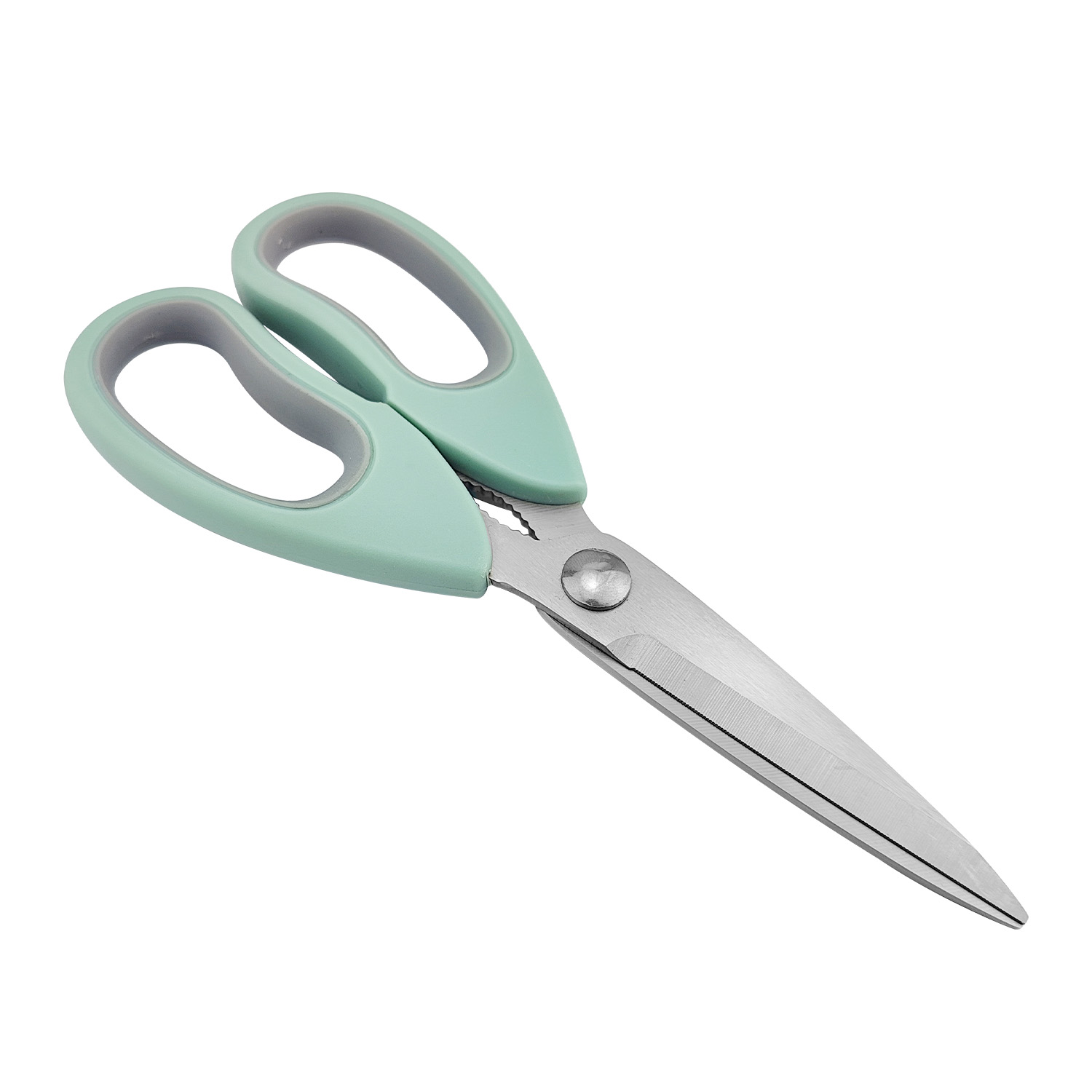
The original focus of this topic is soft grip kitchen scissors: a practical cutting tool used for snipping herbs, opening tough packaging, trimming food items, and handling general kitchen jobs. The article also points to professional sourcing, OEM kitchen scissors, and the blade-making background associated with Yangjiang. This rewritten guide keeps those useful facts while giving buyers a clearer framework for evaluating products and asking the right supplier questions.

Key Takeaways
- Soft grip kitchen scissors should be judged by cutting performance, handle comfort, balance, and ease of cleaning.
- For B2B sourcing, buyers should verify materials, packaging options, quality control steps, lead time, and customization limits directly with the supplier.
- OEM kitchen scissors can support brand differentiation through handle color, branding, packaging, and design adjustments, but each option should be confirmed before quoting.
- A Yangjiang scissors factory may offer blade-making experience, but buyers should still request samples and compare workmanship before placing bulk orders.
Why Kitchen Scissors Matter in a Product Line
A reliable pair of kitchen scissors is a practical addition to many kitchenware ranges because it solves common tasks quickly. Consumers use scissors to cut herbs, trim food packaging, open sealed bags, divide parchment paper, and handle non-food household jobs. Unlike a knife, scissors can give more controlled cuts in flexible materials, especially when the user wants speed and precision.
For a buyer, this means kitchen scissors can fit several retail positions: an entry-level kitchen tool, a bundled accessory, a private-label kitchenware item, or part of a broader utensil collection. Soft grip handles can make the product more comfortable for repeated use, especially when users are cutting packaging or doing batch meal preparation. However, comfort should be tested, not assumed. Handle size, finger opening shape, surface texture, and balance all affect the final user experience.
What Defines Good Soft Grip Kitchen Scissors?
The original article highlights ergonomic design, hand comfort, and sharp, durable stainless steel blades. These points are important, but buyers should define them in measurable sourcing language. Instead of accepting general claims such as “premium” or “professional,” ask the supplier what blade material is used, how sharpness is checked, whether the blade surface is polished or treated, and how the handle material is bonded or assembled.
Soft grip does not automatically mean better quality. A handle can feel pleasant at first but still become slippery when wet or uncomfortable during longer use. The best evaluation is hands-on: open and close the scissors repeatedly, cut different materials, and check whether the handle edges create pressure points. If the scissors are intended for food preparation, also ask how the structure supports cleaning and whether any removable or separable design is available.
Comparison Checklist for B2B Buyers
| Evaluation Area | What to Check | Questions to Ask the Supplier |
|---|---|---|
| Blade performance | Sharpness, alignment, smooth opening and closing | What blade material is used, and how is cutting performance inspected? |
| Handle comfort | Grip texture, finger opening size, pressure points | Can handle color, shape, or soft grip material be customized? |
| Cleaning and hygiene | Food-contact surfaces, joint design, residue traps | How should the scissors be cleaned, and are care instructions available? |
| OEM options | Logo, packaging, color, minor design adjustments | Which customization choices affect cost, lead time, or minimum order quantity? |
| Quality control | Incoming material checks, in-process inspection, final sampling | What inspection process is used before shipment? |
OEM Kitchen Scissors: Customization Without Guesswork
OEM kitchen scissors can help a brand build a consistent visual identity across a kitchenware range. Common customization areas may include handle color, logo placement, retail packaging, labeling, and small design changes. The original article notes that manufacturers may offer branding, colors, and slight design modifications. For serious sourcing, each option should be documented in writing before sampling begins.
Buyers should prepare a clear brief that includes target market, expected retail channel, packaging format, preferred handle color, logo artwork, barcode or labeling needs, and any compliance expectations for the destination market. If the buyer wants a contemporary color such as mint green, as mentioned in the original article, that color should be matched against a physical sample or color reference rather than approved only from a screen image.
It is also useful to ask which parts are standard and which parts require new tooling or longer development. A standard model with custom packaging may be faster to source than a fully modified product. If the supplier cannot confirm commercial details such as MOQ, price tiers, testing documentation, or production lead time, treat those as open questions for quotation rather than assumptions.
How to Evaluate a Kitchen Scissors Manufacturer
The original article mentions that many cutting tools come from specialized production areas such as Yangjiang, a region known for blade craftsmanship. Regional experience can be helpful, but it should not replace supplier verification. A capable kitchen scissors manufacturer should be able to explain its production process, sample policy, inspection method, packaging options, and after-sales communication process.
When comparing suppliers, request samples from more than one option and test them under the same conditions. Cut herbs, thin plastic packaging, paperboard, and flexible food packaging. Check whether the blades meet cleanly along the full cutting edge and whether the pivot feels stable. After washing and drying, inspect the joint and handle area. Even without laboratory testing, structured sample review can reveal differences that product photos cannot show.
- Request product photos, technical details, and available customization options.
- Order samples and test cutting, comfort, cleaning, and packaging quality.
- Confirm quotation details, lead time, MOQ, logo method, and carton information with the supplier.
- Approve a pre-production sample before bulk production whenever possible.
- Define inspection criteria before shipment, including appearance, function, packaging, and labeling.
Use and Care Points to Communicate to End Users
Even when the audience is B2B, the end user’s experience affects reviews, repeat orders, and brand trust. Clear instructions can reduce misuse and returns. For kitchen scissors, care guidance should be simple: clean after food contact, dry before storage, avoid using the tool on materials beyond its intended purpose, and keep it safely away from children.
If the scissors are promoted as multi-purpose, be specific about reasonable household uses instead of overstating performance. Opening packaging, trimming herbs, and general kitchen prep are easy to understand. Claims about cutting bones, dishwasher safety, special coatings, or certified food-contact compliance should only be used when confirmed by the supplier with appropriate documentation.
Practical FAQ for Buyers
What should I ask before ordering soft grip kitchen scissors?
Ask about blade material, handle material, logo options, packaging choices, sample availability, MOQ, lead time, inspection process, and whether the supplier can provide documents required for your market.
Are OEM kitchen scissors suitable for private label brands?
Yes, they can be suitable when the supplier supports branding, color selection, and packaging customization. Confirm exactly which elements can be customized and whether any change affects cost or delivery time.
Does sourcing from a Yangjiang scissors factory guarantee quality?
No location alone guarantees quality. Yangjiang is associated with blade craftsmanship, but buyers should still evaluate samples, compare finishing, review supplier communication, and define inspection requirements.
What product details should not be assumed?
Do not assume material grade, dishwasher safety, certifications, test results, MOQ, production capacity, or compliance claims unless the supplier confirms them. Treat missing information as a question for sourcing.
How can I choose between similar kitchen scissors samples?
Compare cutting smoothness, blade alignment, handle comfort, grip stability when wet, ease of cleaning, packaging presentation, and consistency between multiple sample pieces.
Final Sourcing Advice
Premium kitchen scissors are best evaluated through practical use, not broad marketing language. For buyers, the strongest sourcing process combines clear product requirements, physical sample testing, supplier questions, and written confirmation of customization details. Soft grip handles, stainless steel blades, OEM branding, and modern colors can all add value, but only when they match the needs of the target market and are supported by reliable production and quality control communication.
Before placing a wholesale or OEM order, build a simple comparison sheet, test samples carefully, and confirm every commercial detail with the manufacturer. That approach helps turn kitchen scissors from a basic accessory into a dependable product for retail, promotional, or private-label kitchenware programs.
