




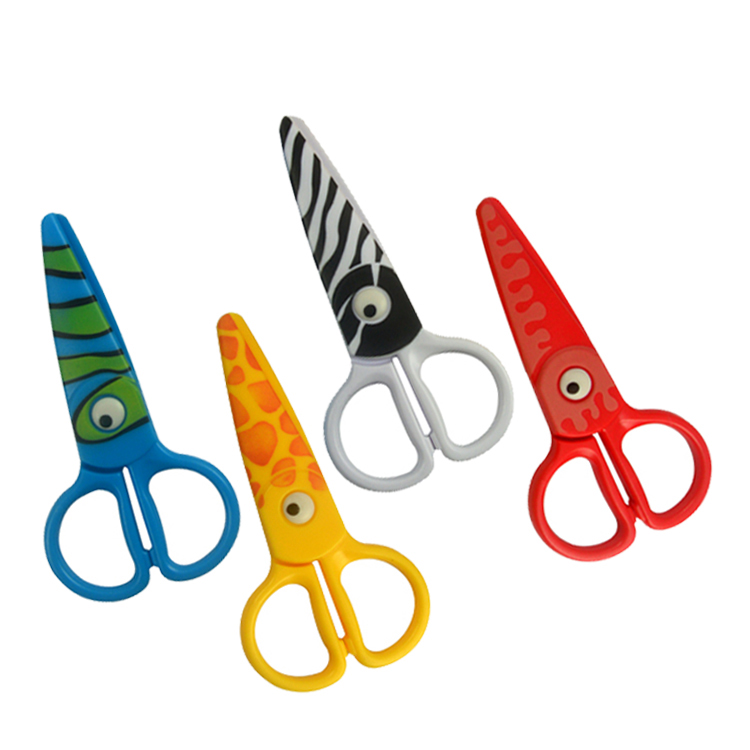
Exploring OEM Plastic Kid Scissors: Safe and Fun for Children
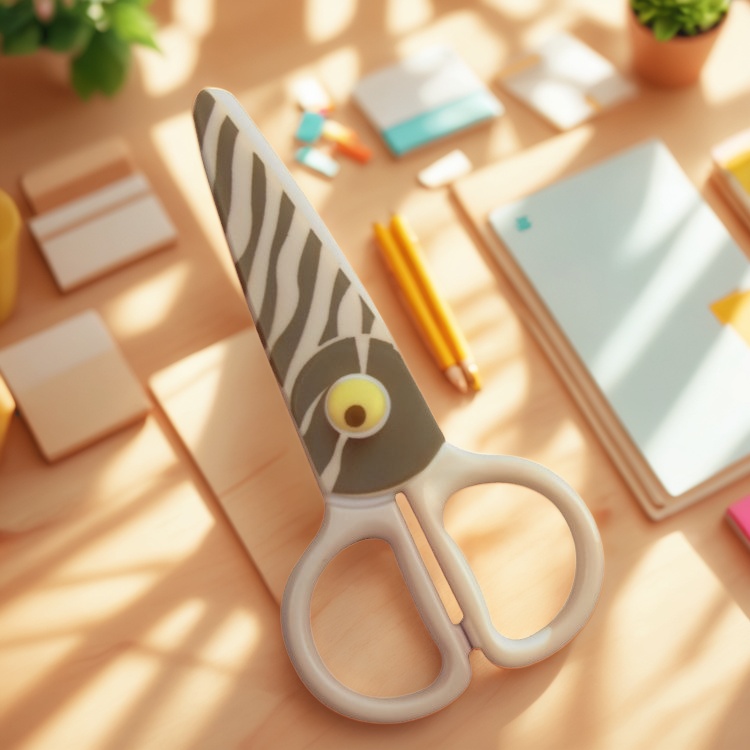
OEM plastic kid scissors are small classroom and craft tools designed for young children who are learning how to cut paper, make simple shapes, and complete guided art activities. For buyers, the search intent is usually practical: find a safe children's scissors supplier, compare factory options, and understand what to ask before placing a private-label, wholesale, or school-supply order.
This guide focuses on sourcing and product selection rather than broad sales claims. It explains the design details that commonly matter for children's scissors, how to discuss customization with an OEM supplier, and what quality questions purchasing teams should raise before moving from sample review to bulk order.
Key Takeaways
- Child-focused scissors should be reviewed for rounded tips, controlled cutting edges, easy grip, and age-appropriate handling.
- OEM buyers should ask suppliers to confirm materials, safety testing, packaging options, and production consistency in writing.
- Schools, daycare centers, craft kit brands, and stationery distributors should test samples with real use cases before approving an order.
- Customization can include color, packaging, branding, and product presentation, but every change should be checked for usability and safety.
What Makes Plastic Kid Scissors Different?
Plastic kid scissors are not simply smaller versions of adult scissors. They are intended for early learners, so the design should support control, comfort, and reduced risk during supervised activities. Common child-oriented features include rounded tips, blunt or limited cutting edges, lightweight construction, and handles shaped for smaller hands. The original product context also highlights a focus on safe, fun use for children, which is the core expectation for this category.
For sourcing teams, the key point is not only whether the scissors look child-friendly, but whether the design performs reliably in the intended setting. A pair used in a kindergarten classroom may need to withstand frequent daily use, while scissors included in a seasonal craft kit may be evaluated more for packaging, color selection, and low-frustration paper cutting.
Safety Features Buyers Should Review
Safety is the main purchasing criterion for children's scissors. Buyers should inspect physical samples before confirming a production order. Rounded tips can help reduce accidental pokes. Blunt edges may reduce injury risk while still allowing children to cut paper or lightweight craft materials. Handles should be comfortable enough for repeated use and should not create sharp pressure points.
Because compliance requirements vary by market and product positioning, buyers should not rely on assumptions. Ask the supplier which safety standards, material declarations, or test reports are available for the target country or region. If the scissors will be sold as a children's product, clarify labeling, age grading, warning statements, and packaging requirements with qualified compliance support.
OEM and Wholesale Sourcing Checklist
An OEM plastic kid scissors order may involve more than choosing a color. Buyers should evaluate the factory or supplier's ability to provide stable quality, clear communication, and repeatable packaging. The following checklist can be used during supplier comparison.
| Area to Check | What to Ask the Supplier | Why It Matters |
|---|---|---|
| Material | What plastic is used, and can material information be provided? | Supports safety review, durability expectations, and documentation. |
| Tip and edge design | Are the tips rounded and are the cutting edges appropriate for children? | Directly affects child-safe handling and classroom suitability. |
| Handle comfort | Can samples be checked for grip size and ease of use? | Small hands need control without excessive effort. |
| Customization | Which colors, branding, and packaging formats are available? | Helps align the product with retail, school, or kit requirements. |
| Quality control | What inspection steps are used before shipment? | Reduces variation between samples and bulk production. |
| Compliance documents | Which test reports or declarations can be shared for the target market? | Helps buyers avoid unsupported safety or legal claims. |
Customization Options for Private Label Programs
OEM buyers often look for kid-friendly colors, simple visual themes, or packaging that fits a classroom, stationery, or craft brand. Bright colors and playful presentation can make scissors more appealing to children, but they should never interfere with grip, visibility, or safe use. If printed patterns, molded details, or branded packaging are requested, ask for pre-production samples before approving mass production.
Packaging also deserves attention. Retail packs may need hanging cards, barcodes, and clear age guidance. School and daycare orders may prefer bulk packing for storage efficiency. Craft kit brands may need compact packaging that fits inside a boxed activity set. In each case, confirm whether the supplier can support the required packing method, carton details, labeling, and inspection process.
Best Use Cases for OEM Plastic Kid Scissors
Plastic kid scissors are commonly used for paper crafts, preschool activities, home learning, classroom projects, and beginner art exercises. They can support fine motor skill development by helping children practice hand control, coordination, and simple project steps. For educators and parents, the best scissors are easy for children to hold, predictable in cutting action, and suitable for supervised use.
- Classrooms can use them for paper cutting, worksheets, and guided art projects.
- Daycare centers can include them in supervised creative activity stations.
- Craft kit brands can pair them with paper shapes, stickers, and activity sheets.
- Stationery distributors can offer them as part of back-to-school assortments.
- Retailers can position them with beginner art supplies and children's learning tools.
Sample Testing Before Bulk Orders
Before placing a wholesale or OEM order, buyers should test samples under realistic conditions. Cut common materials such as printer paper, construction paper, and lightweight craft sheets if those are the intended uses. Check whether the scissors cut smoothly enough to avoid frustration, but remain appropriate for the target age group. Also review whether the handles fit both right-handed and left-handed users if that matters for your market.
Durability testing does not need to be complicated at the first review stage. Open and close the scissors repeatedly, inspect the pivot area, check for rough edges, and look for stress marks or loose parts. If the product will be used in schools, ask whether replacement consistency is available across repeat orders, because teachers and purchasing departments often prefer the same item year after year.
Questions to Ask a Kid Scissors Supplier
- What age range is the product intended for, and how is that reflected in the design?
- Can the supplier provide material information and any available safety documentation?
- Which parts of the scissors can be customized without changing performance?
- What sample approval process is used before bulk production?
- How are finished goods inspected for tip shape, edge quality, handle finish, and packaging?
- What are the available packing methods for retail, classroom, or craft kit distribution?
FAQ
Are plastic kid scissors suitable for preschool children?
They may be suitable when designed for young users and used with adult supervision. Buyers should verify the intended age range, tip design, edge design, and relevant labeling before selling or distributing them.
Can OEM plastic kid scissors be customized?
Many OEM programs can discuss color, branding, and packaging options. Buyers should request samples because customization can affect grip comfort, appearance, and production consistency.
What should schools check before buying in bulk?
Schools should check sample durability, cutting performance on classroom paper, handle comfort, storage format, and whether the supplier can provide consistent repeat orders.
Do buyers need compliance documents?
If the scissors are sold or distributed as children's products, buyers should ask for available test reports, material declarations, and labeling support for the target market. Requirements vary, so unsupported compliance claims should be avoided.
What is the most important sourcing step?
Sample review is essential. It allows buyers to confirm safety design, usability, packaging, and overall quality before approving an OEM or wholesale order.
