




Fashion Forward: OEM Scissors Manufacturing
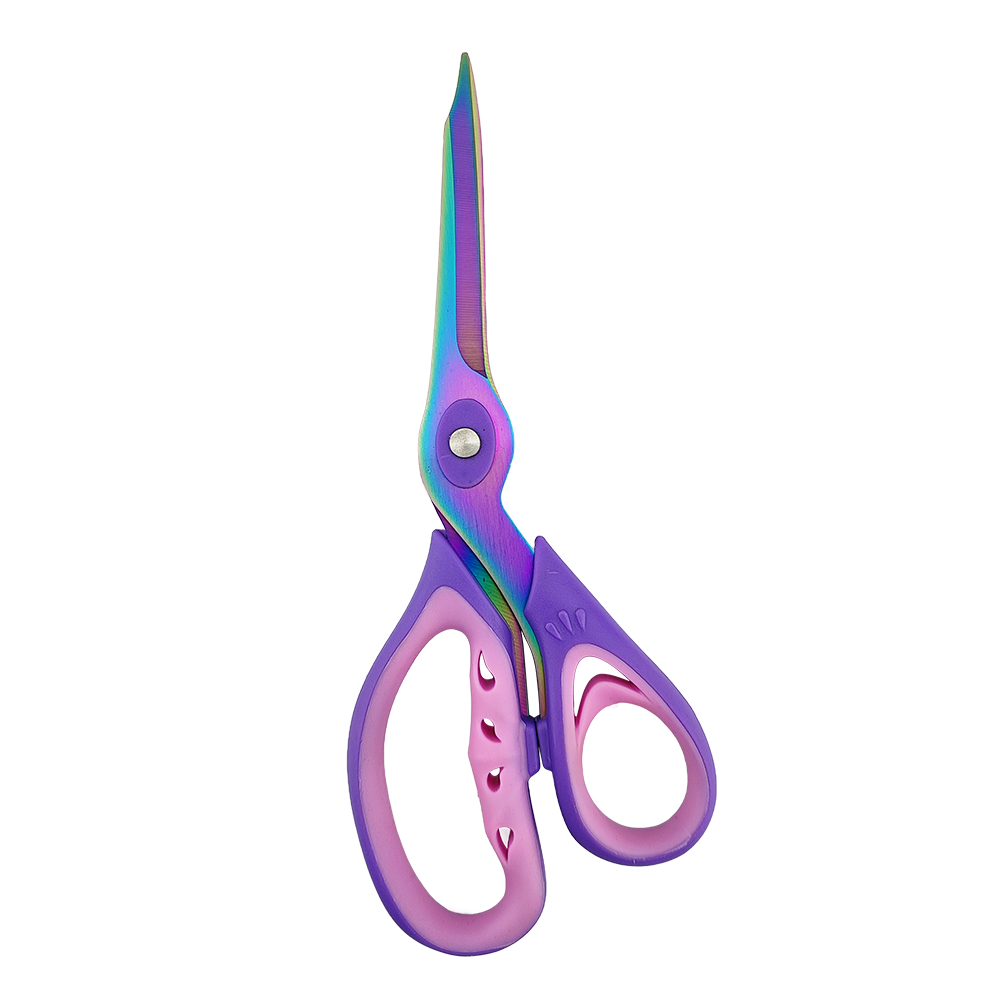
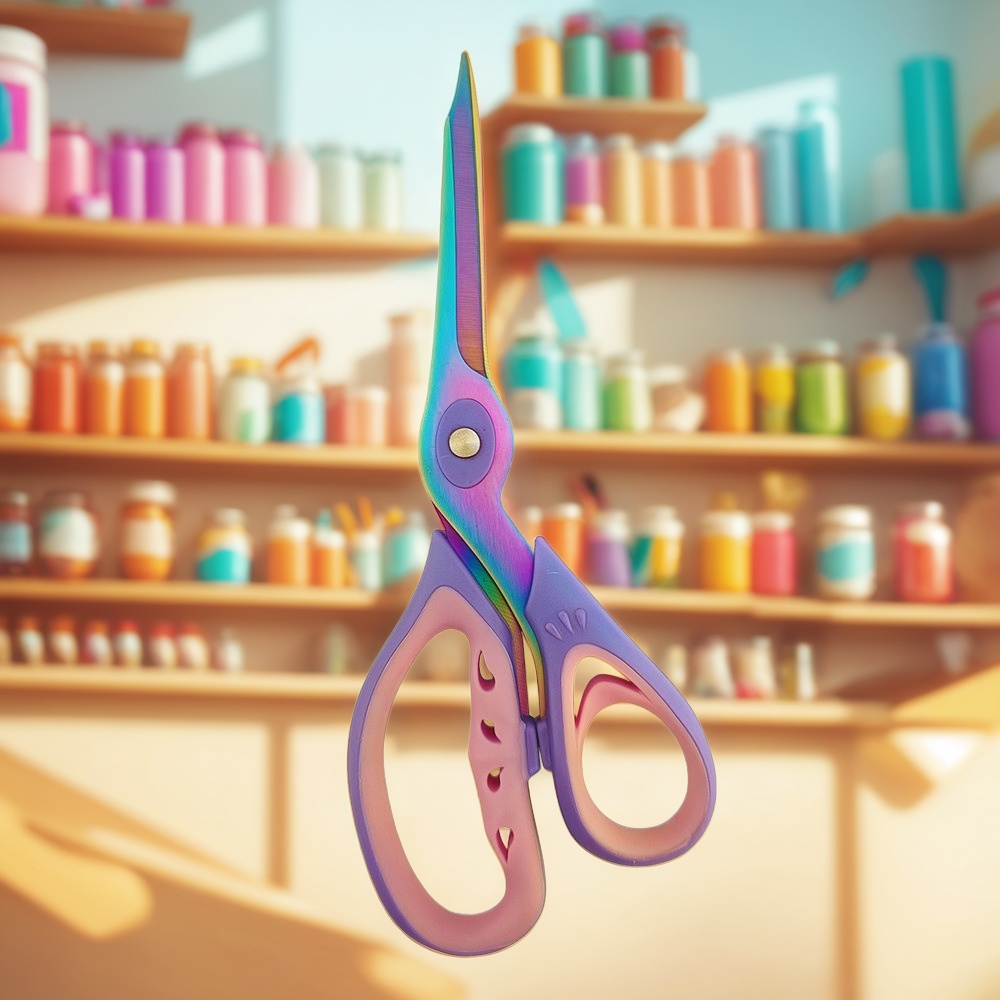
OEM scissors manufacturing is no longer only about producing a basic cutting tool. For retailers, distributors, promotional brands, and houseware buyers, scissors can now be part of a broader product story: practical, visually distinctive, comfortable to use, and suitable for everyday household, office, craft, or stationery assortments. The original featured product, an iridescent rainbow-style pair of household scissors with a titanium-coated appearance, shows why buyers are paying more attention to finish, handle design, and presentation.
This guide is written for B2B buyers evaluating OEM scissors, not for impulse shopping. It explains what to check before placing an order, how to compare design choices, and which questions to ask a supplier before approving samples or packaging artwork.
Key Takeaways
- OEM scissors can be differentiated through blade finish, handle color, grip shape, packaging, and branding.
- Do not rely on appearance alone; request samples and confirm cutting performance on intended materials.
- For coated scissors, ask what the coating is, how it is applied, and how durability is verified.
- Comfort matters for repeat use, especially for household, craft, and office buyers.
- Commercial details such as MOQ, lead time, packaging options, and compliance documents should be confirmed directly with the supplier.
Why Fashion-Oriented Scissors Matter in OEM Sourcing
Traditional household scissors are often treated as commodity items, but buyers increasingly look for small products that can stand out on a shelf or in an online listing. A rainbow or iridescent blade finish can help a product look more giftable, more suitable for stationery collections, or better aligned with lifestyle-focused houseware assortments.
That said, visual appeal should not replace functional review. Scissors are repeat-use tools. If the blades feel rough, the pivot is loose, or the handle causes discomfort, a colorful finish will not protect the product from negative feedback. A good OEM project balances appearance with cut quality, hand feel, consistency, and packaging accuracy.
Understanding Titanium Coating and Decorative Finishes
The original article highlights a titanium coating and an iridescent finish as the most striking visual feature. For sourcing purposes, buyers should treat this as a technical point to verify, not just a marketing phrase. Ask the supplier to explain the coating type, whether it is decorative or performance-oriented, and what care instructions should be provided to end users.
Useful supplier questions include: What is the coating process? Does the finish vary from batch to batch? Can the coating be scratched by hard materials? Is the product intended for paper, fabric, food packaging, light craft materials, or general household use? Are there cleaning limitations? The answers will help you write accurate product descriptions and avoid making claims that the supplier has not supported.
Handle Design, Comfort, and Everyday Use
The featured scissors also include gradient purple and pink handles with cut-out details. From a buyer perspective, handles influence both appearance and usability. A handle that looks attractive in photos may still need review for fit, weight balance, edge smoothness, and comfort during longer tasks.
When reviewing samples, test the scissors with several hand sizes if possible. Check whether the finger openings are comfortable, whether the inner handle edges feel smooth, and whether the grip remains stable during repeated opening and closing. If the scissors are intended for household or craft use, comfort can be a meaningful selling point, but only if it is supported by real sample evaluation.
Comparison Checklist for OEM Scissors Buyers
| Evaluation Area | What to Check | Questions to Ask the Supplier |
|---|---|---|
| Blade finish | Color consistency, surface smoothness, scratch resistance in normal use | What coating or finishing method is used, and how is durability checked? |
| Cutting performance | Clean cutting on intended materials such as paper, packaging, thread, or light craft materials | Which materials are these scissors designed to cut? |
| Handle comfort | Grip shape, opening size, edge smoothness, balance, and fatigue during repeated use | Can handle colors, shapes, or materials be customized for OEM orders? |
| Branding | Logo placement, color matching, print clarity, and packaging artwork accuracy | What logo and packaging customization methods are available? |
| Quality control | Blade alignment, pivot tightness, finish defects, and packaging condition | What inspection steps are performed before shipment? |
| Commercial terms | MOQ, lead time, sample cost, carton packing, and reorder process | What details must be confirmed before quotation and production? |
How to Build a Clear OEM Specification
A clear specification reduces misunderstandings and helps suppliers quote accurately. Instead of asking only for “rainbow scissors,” prepare a short product brief with the intended market, size preference, finish, handle color, packaging format, labeling needs, and expected use case. If you have a reference sample, provide photos and describe which parts must match and which parts can be adjusted.
Your specification may include:
- Product category, such as household scissors, office scissors, or craft scissors.
- Target users and typical cutting tasks.
- Preferred blade finish, including whether an iridescent or titanium-coated appearance is required.
- Handle color, shape, and comfort expectations.
- Logo, barcode, warning text, and packaging artwork needs.
- Required sample approval steps before mass production.
- Any market-specific documentation or compliance questions the supplier should answer.
Quality Checks Before Approving Production
Before approving a purchase order, request samples that represent the proposed finish, handle, and packaging. A photo is useful, but it cannot show cutting feel, pivot smoothness, or hand comfort. Open and close each sample repeatedly, inspect the blade edges, and test the scissors only on materials appropriate for the intended product category.
For coated or decorative scissors, compare multiple samples side by side. Check whether the rainbow effect is consistent enough for your retail positioning. Some variation may be normal with iridescent finishes, but the acceptable range should be discussed before production. Also inspect handle molding quality, color transitions, and whether cut-out areas are smooth and safe to touch.
Packaging and Retail Presentation
Packaging can determine how well scissors perform in wholesale and retail channels. For online sales, protective packaging should help prevent scratches during transport. For store displays, packaging must communicate the product type clearly and allow the color finish to be visible. For private label projects, confirm where the logo, barcode, product name, and any care instructions will appear.
Avoid adding unverified claims to the packaging. If the supplier has not provided support for statements such as special durability, rust resistance, or professional-grade performance, use more neutral wording. Accurate packaging protects both the buyer and the end user.
Practical FAQ for OEM Scissors Manufacturing
What information should I send to an OEM scissors supplier?
Send your target market, intended use, preferred size, blade finish, handle design, packaging type, branding needs, order quantity estimate, and sample requirements. If you need documents for a specific market, ask the supplier what they can provide.
Can titanium coating scissors be customized?
Customization may be possible, but available options depend on the supplier. Ask about blade finish, handle color, logo application, packaging, and whether the chosen coating can be produced consistently at your required quantity.
How should I evaluate a scissors sample?
Check cutting smoothness, blade alignment, pivot tension, handle comfort, finish quality, packaging fit, and visual consistency. Test the sample on the materials your customers are most likely to cut.
What commercial details should be confirmed before ordering?
Ask about MOQ, sample timing, production lead time, packaging choices, carton details, payment terms, inspection process, and reorder procedures. These details should be confirmed directly with the supplier before committing to production.
Final Thoughts
Fashion-forward OEM scissors can add visual interest to a houseware, stationery, craft, or promotional product line, especially when the blade finish and handle colors are distinctive. However, the strongest sourcing decisions combine design appeal with practical testing and clear supplier communication. Treat the iridescent rainbow look as one part of the product, then verify comfort, cutting performance, packaging, quality control, and commercial terms before moving forward.
