




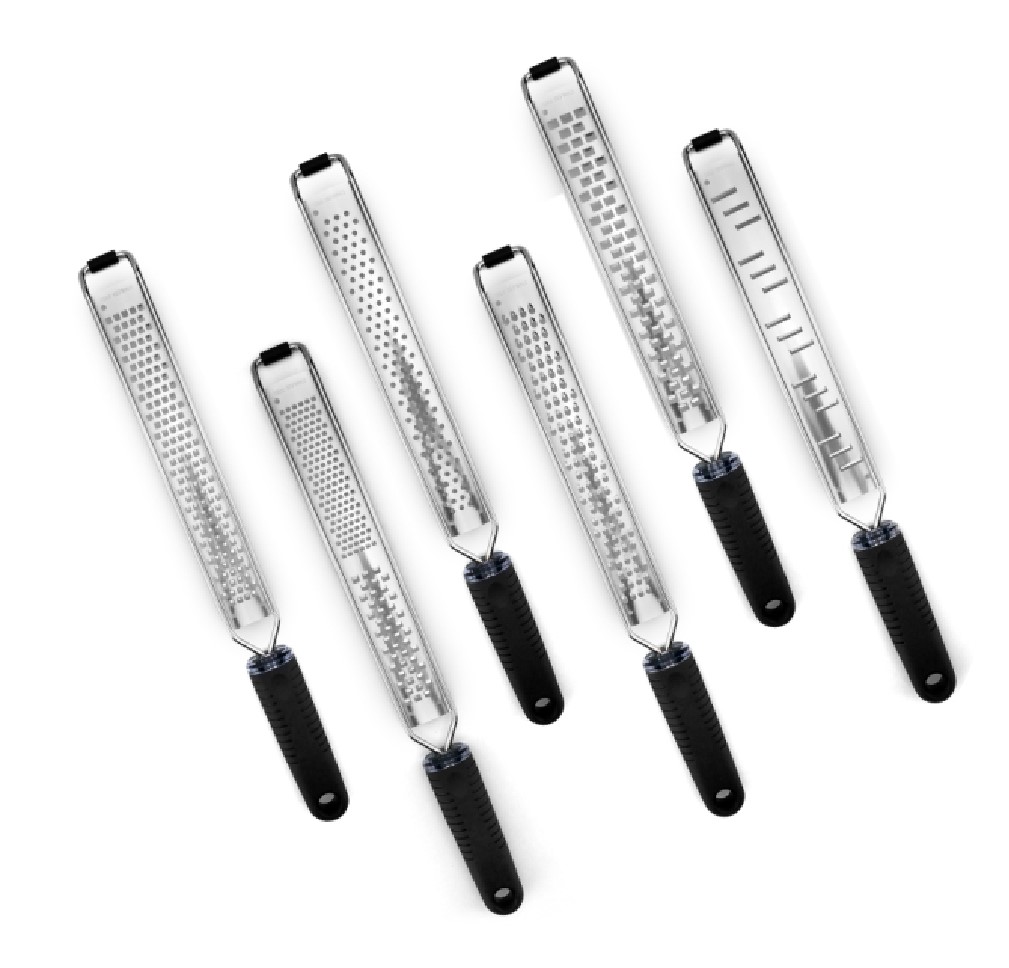
Finding a Stainless Steel Grater Supplier
Sourcing a stainless steel grater is not only about finding a low unit price. For importers, wholesalers, kitchenware brands, and hospitality distributors, the better question is whether a supplier can provide consistent product quality, clear communication, suitable packaging, and reliable order handling. A grater is a simple kitchen tool, but buyers still need to check blade sharpness, handle comfort, cleaning convenience, carton protection, and whether the design fits the intended market.
The original article highlights several useful expectations: durable kitchen tools, stainless steel construction, corrosion resistance, ergonomic handling, and use for cheese, vegetables, and nuts. This rewritten guide expands those points into practical sourcing steps for B2B buyers evaluating a stainless steel grater supplier.
Key Takeaways
- Choose a stainless steel grater supplier based on product consistency, not only catalog photos or quoted price.
- Ask direct questions about material, blade finishing, handle design, packaging, samples, lead times, and quality inspection.
- Match the grater style to your sales channel, such as retail, food service, promotional sets, or private label kitchenware.
- Do not assume certifications, MOQ, stainless steel grade, or testing results unless the supplier provides written documents.
What Buyers Should Define Before Contacting Suppliers
Before asking for a quotation, prepare a short product brief. This helps suppliers respond accurately and reduces the risk of comparing offers that are not equivalent. A brief can include the preferred grater type, target retail price range, order quantity estimate, packaging format, market destination, and whether private label branding is required.
For stainless steel graters, buyers should also clarify the intended use. A fine grater for citrus zest or hard cheese is different from a coarse grater for vegetables. A handheld grater may suit home cooks, while a box grater or multi-sided grater may be better for food preparation lines or retail kitchen sets. If you need a soft comfort handle or an ergonomic grip, specify that early rather than treating it as a minor detail.
Product Quality Points to Review
A good stainless steel grater should feel stable, cut efficiently, and be easy to clean. The original article mentions precision-designed blades, corrosion resistance, a sturdy structure, and comfortable handles. Those are useful quality directions, but buyers should verify them through samples and written specifications.
When reviewing samples, check whether the grating surface is even, whether the edges feel safe for normal handling, and whether the handle remains secure under pressure. Test the grater with common foods such as cheese, carrots, citrus peel, and nuts if those uses are relevant to your market. Also check whether food particles get trapped in seams or handle joints, as cleaning difficulty can lead to poor customer feedback.
Supplier Comparison Checklist
Use a structured checklist when comparing a stainless steel grater supplier, a trading company, or an OEM kitchenware factory. This keeps the discussion focused on verifiable points.
| Evaluation Area | What to Ask | Why It Matters |
|---|---|---|
| Material details | What stainless steel is used, and can it be documented? | Prevents assumptions about grade, corrosion resistance, and market suitability. |
| Blade performance | Can samples be tested for fine, medium, or coarse grating? | Confirms that the tool performs for the intended foods. |
| Handle design | Is the handle ergonomic, soft grip, or standard plastic? | Affects comfort during long food preparation tasks. |
| Packaging | Can the supplier provide retail packaging, bulk packing, or private label options? | Packaging influences shelf appeal, logistics, and damage protection. |
| Quality control | What inspections are performed before shipment? | Helps buyers understand how defects are identified and controlled. |
| Commercial terms | What are the MOQ, lead time, sample cost, and payment terms? | These details determine whether the supplier fits your purchasing plan. |
OEM and Wholesale Questions to Ask
If your project involves OEM, private label, or wholesale distribution, the supplier conversation should go beyond standard product photos. Ask whether logos can be applied to the handle, packaging, or instruction card. Confirm whether color choices, handle materials, hanging holes, barcode labels, and carton marks can be customized. Do not assume these options are available unless the supplier confirms them for the specific grater model.
Buyers should also ask how changes affect sampling time, tooling requirements, MOQ, and delivery schedule. For example, changing a handle shape may be very different from changing packaging artwork. If compliance documents are required for your market, ask which documents the supplier can provide and whether they apply to the exact product you intend to buy.
How to Assess Samples Before a Bulk Order
- Inspect the surface finish, blade openings, handle connection, and any sharp edges outside the grating area.
- Use the grater with the foods your customers are most likely to prepare.
- Wash and dry the sample several times to check cleaning convenience and visible changes.
- Compare sample weight, grip comfort, and stability against competing products.
- Record defects with photos so the supplier can respond clearly before production.
Sample approval should be documented. Keep one approved sample as a reference for later inspection. If the supplier sends a revised sample, label it carefully so your purchasing team does not confuse old and new versions.
Packaging, Shipping, and Retail Readiness
For a wholesale kitchen grater, packaging is part of the product experience. Retail buyers may need a hanging card, color box, sleeve, or set packaging. Food service distributors may prefer simple bulk packing that reduces waste and cost. Either way, ask how the grating surface is protected during transport, because dents or bent edges can make the product unsellable.
Confirm carton quantity, carton strength, inner protection, labeling, and whether the packaging can pass your warehouse handling requirements. If the grater is part of a set, check whether each piece remains secure and does not scratch the others during shipping.
Choosing a Supplier With Long-Term Fit
A high-quality grater supplier should help buyers reduce risk over repeated orders. Look for responsive communication, clear product specifications, stable sample quality, and willingness to answer technical and commercial questions. A supplier that cannot explain material, packaging, inspection, or customization limits may create problems after the order is placed.
For buyers sourcing stainless steel kitchen tools, the best result comes from combining practical testing with documented purchasing terms. Request samples, compare them against your market requirements, and confirm all details in writing before mass production.
FAQ
What should I ask a stainless steel grater supplier first?
Start with the product type, material details, available grating styles, packaging options, MOQ, sample policy, lead time, and whether private label branding is available.
How can I check if a grater is suitable for wholesale?
Review sample consistency, packaging protection, carton information, barcode or label needs, and whether the supplier can support repeat orders with the same specification.
Can stainless steel graters be customized for OEM projects?
Many grater projects may allow customization such as logo, handle color, or packaging, but buyers should confirm what is available for the exact model and whether extra cost, MOQ, or tooling applies.
Which foods should be used to test a grater sample?
Test the foods your customers are likely to use, such as cheese, vegetables, citrus peel, or nuts. Performance can vary depending on blade size and grating surface design.
Should I rely on supplier photos before ordering?
No. Photos are useful for screening, but physical samples are important for checking blade sharpness, grip comfort, cleaning ease, surface finish, and packaging quality.
