




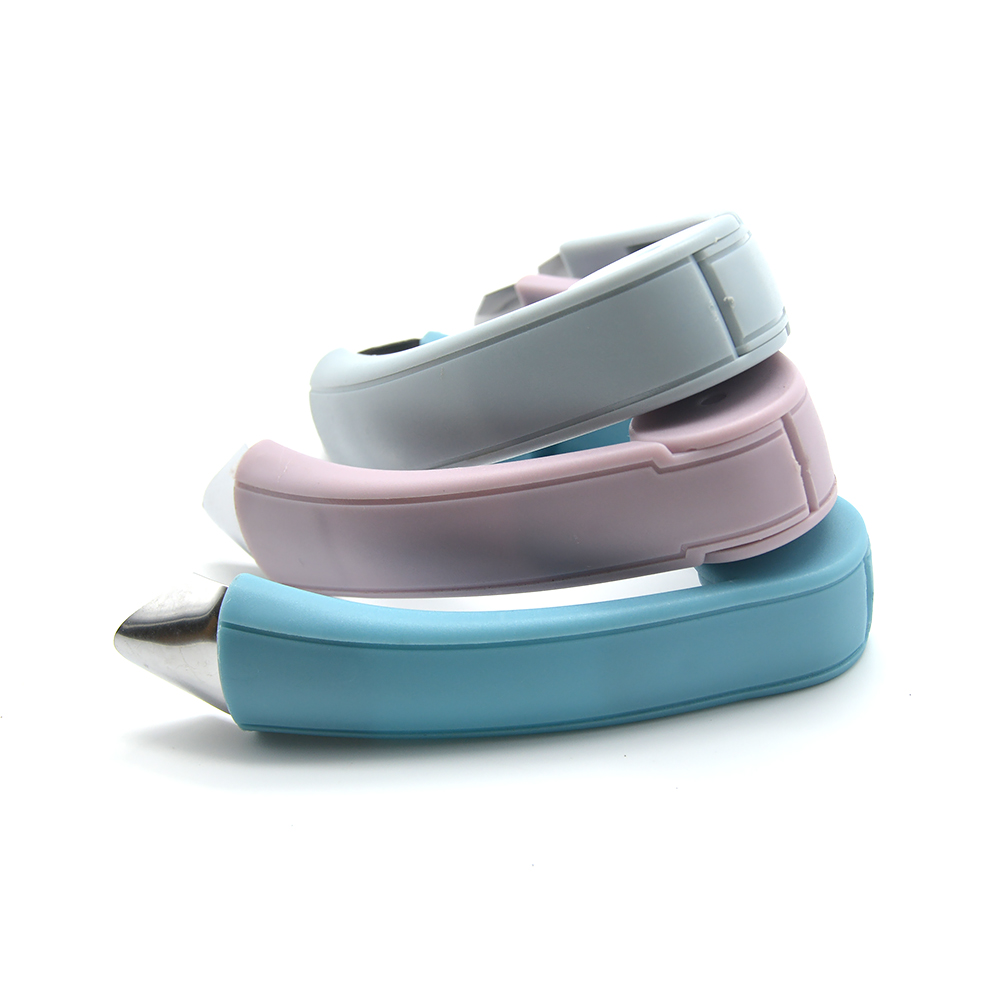
Fruit Huller Factory China: Sourcing Guide for Industrial Buyers
For food processors, agricultural exporters, and equipment distributors, choosing a fruit huller factory in China is not only a price decision. A fruit hulling machine can affect labor planning, product yield, cleaning time, maintenance workload, and the consistency of downstream processing. The right sourcing process helps buyers compare factories more clearly and avoid choosing equipment based only on a short product description.
The original purpose of an industrial fruit huller is straightforward: remove the outer hull or covering from suitable fruits quickly and consistently. In practice, different fruit types, ripeness levels, sizes, moisture conditions, and production goals can require different feeding systems, contact parts, adjustment methods, and cleaning routines. Before requesting a quotation, buyers should define their process and prepare practical questions for the supplier.
What an Industrial Fruit Huller Does
An industrial fruit huller is used in fruit processing lines where manual hulling would be slow, inconsistent, or too labor-intensive. The machine is typically selected to improve throughput, reduce repetitive manual work, and help prepare fruit for washing, sorting, cutting, pulping, freezing, or packaging. It may be used as a standalone machine or integrated into a wider production line.
When reviewing options, avoid assuming that one machine suits every fruit. Ask the factory which fruit types the equipment is designed for, what size range it can handle, and what condition the fruit should be in before hulling. If fruit damage, loss rate, or appearance matters for your product, request a trial or video using material that is close to your own raw material.
Why Buyers Source Fruit Hulling Machines from China
China is a major sourcing destination for processing equipment because buyers can often find a broad range of machine styles, supplier types, and customization discussions in one market. A specialized fruit huller factory may be able to provide equipment options for different production volumes, layouts, or fruit processing needs. However, sourcing successfully requires structured evaluation rather than relying only on catalogue images.
For B2B buyers, the main advantages of direct factory sourcing can include clearer technical communication, potential customization, and access to spare parts information from the original producer. The risks include misunderstanding specifications, insufficient testing, unclear warranty terms, and weak after-sales documentation. A disciplined purchasing process helps balance opportunity with risk.
Key Specifications to Confirm Before Quotation
Before asking for a price, prepare a short technical brief. This makes supplier responses easier to compare and reduces the chance of receiving a generic machine recommendation. Include the fruit type, average size range, expected hourly output, available power supply, space limitations, cleaning requirements, and whether the machine must connect with existing conveyors or other equipment.
- Fruit type, size variation, and condition before hulling
- Target production volume per hour or per shift
- Acceptable level of fruit breakage or surface damage
- Material requirements for food-contact parts, such as whether stainless steel is needed and which grade is offered
- Cleaning method, access points, and daily sanitation expectations
- Available voltage, floor space, drainage, and operator workflow
- Spare parts list, recommended wear parts, and replacement schedule
Do not treat these questions as minor details. A machine with the right nominal capacity may still be unsuitable if it is difficult to clean, hard to adjust, or incompatible with your raw material condition.
Supplier Evaluation Checklist
A reliable fruit hulling machine manufacturer should be able to explain how the equipment works, what applications it is suitable for, and what information is needed before selection. The table below can be used as a practical comparison checklist when contacting multiple suppliers.
| Evaluation Area | What to Ask | Why It Matters |
|---|---|---|
| Application fit | Which fruits and size ranges has this model been used for? | Helps confirm whether the machine matches your raw material. |
| Capacity basis | How was the stated output measured? | Prevents confusion between theoretical and practical production rates. |
| Food-contact materials | What materials are used in contact areas, and can they be documented? | Supports hygiene planning and internal purchasing approval. |
| Cleaning access | Which parts open or remove for cleaning? | Reduces sanitation downtime and operator frustration. |
| Wear parts | Which parts require regular replacement? | Helps estimate long-term operating cost. |
| After-sales support | What installation guidance, manuals, and troubleshooting support are available? | Important for commissioning and ongoing operation. |
| Customization | Can the feeding, discharge, or dimensions be adjusted for a line layout? | Useful when integrating into an existing processing plant. |
Factory Communication and Sample Testing
Clear communication is one of the most important parts of sourcing from an overseas factory. Send photos or videos of your fruit, describe the current processing method, and explain what result you expect after hulling. If the supplier suggests a model immediately without asking about fruit characteristics, ask follow-up questions before proceeding.
Where possible, arrange sample testing. If sending fruit samples is not practical, request a test using similar material and ask for unedited video showing feeding, hulling, discharge, and the final product. Look for steady feeding, excessive breakage, clogging points, and how operators clean or adjust the machine. A short polished video may be useful for first screening, but a more realistic test is better for purchase decisions.
Quotation Details Buyers Should Not Miss
A quotation for an industrial fruit huller should contain more than a machine price. Ask the supplier to separate the machine configuration, optional parts, packing method, spare parts, lead time, payment terms, shipping terms, and warranty conditions. If the machine will be exported, confirm the documents the supplier can provide for customs clearance and installation planning.
Also ask whether installation is remote or on-site, who is responsible for electrical connection, and what the buyer must prepare before commissioning. If the factory offers customization, request drawings or written confirmation of the agreed changes before payment. This is especially important when machine dimensions, inlet height, discharge direction, or integration with conveyors affects your plant layout.
Maintenance, Cleaning, and Long-Term Operation
Even a well-selected fruit huller needs routine care. Buyers should request an operation manual, cleaning guidance, lubrication points if applicable, and a recommended inspection schedule. Operators should understand how to adjust the machine for fruit size and how to recognize abnormal noise, vibration, or reduced performance.
For food processing environments, easy cleaning is a major operating factor. Ask whether contact areas are accessible, whether tools are required for disassembly, and how water exposure should be managed around electrical parts. These questions help your production and maintenance teams plan safe, repeatable procedures.
Key Takeaways
- Define fruit type, size range, output target, and quality expectations before requesting a quotation.
- Compare suppliers by application experience, cleaning access, spare parts support, and documentation, not only by price.
- Request sample testing or realistic demonstration videos before confirming a machine model.
- Clarify customization, warranty, installation support, and export documentation in writing.
Practical FAQ
How do I know if a fruit huller is suitable for my product?
Provide the supplier with fruit type, size, condition, photos, and expected final result. Ask for application references or a test using similar material. Suitability should be judged by output, damage level, cleaning needs, and operator workflow.
Should I buy directly from a fruit huller factory in China or through a trading company?
Direct factory sourcing may support technical discussion and customization, while a trading company may help with communication and consolidated sourcing. In either case, verify product knowledge, documentation, after-sales support, and accountability for the final machine.
What information should be included in a serious quotation?
It should state the machine model or configuration, key parameters, included parts, optional items, packing, delivery terms, lead time, payment terms, warranty details, and available support. Ask for unclear points to be confirmed in writing.
Is stainless steel required for a fruit hulling machine?
Many buyers prefer stainless steel for food-contact areas, but you should ask the supplier exactly which parts use stainless steel and what grade is offered. Do not assume all visible metal parts are the same material.
What is the biggest sourcing mistake to avoid?
The biggest mistake is choosing only by low price without confirming application fit. A cheaper machine can become expensive if it damages fruit, runs below the required output, is hard to clean, or lacks spare parts support.
