




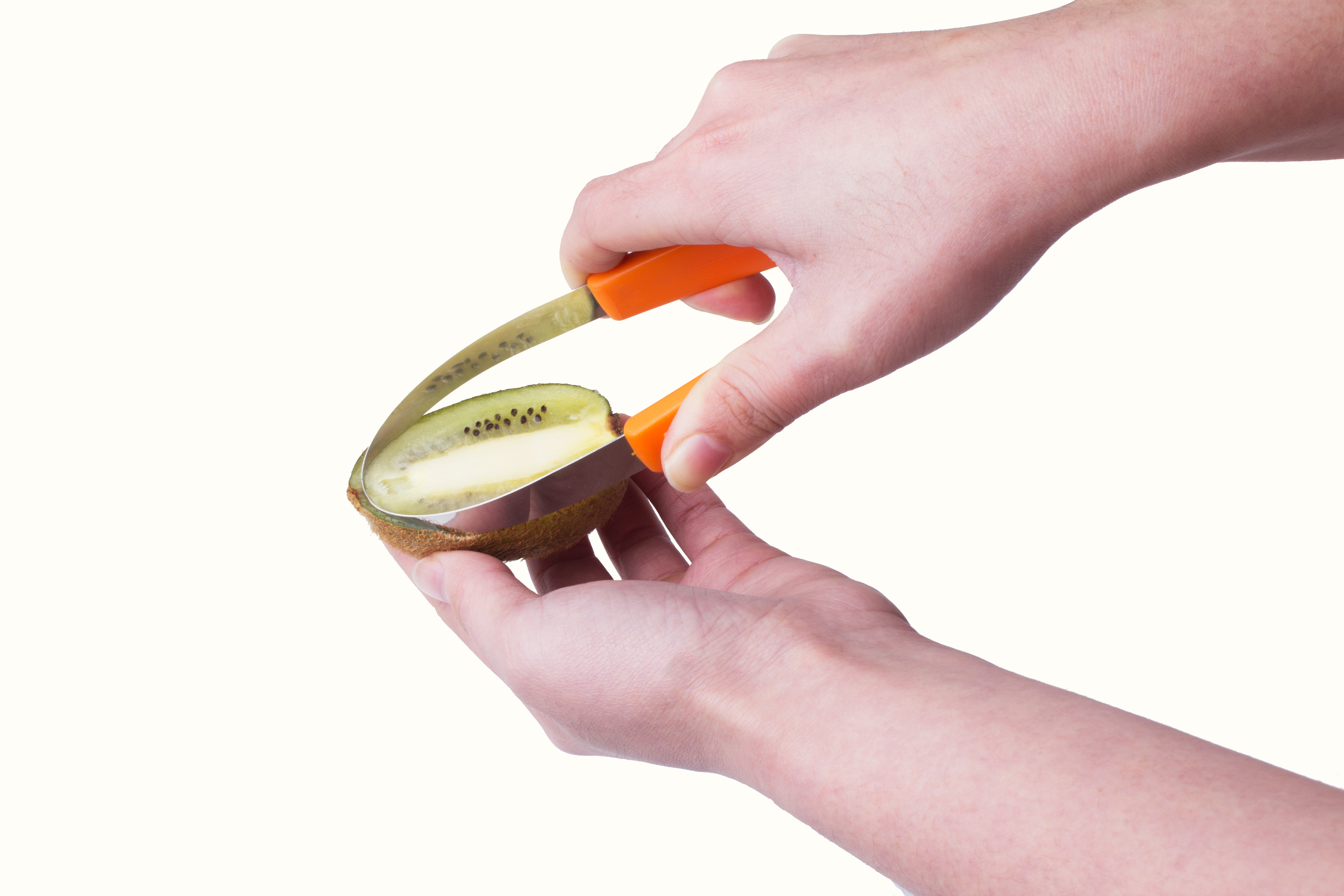
Fruit Scoop Manufacturing: A Practical Guide to Sourcing Nesting Fruit Scoops
Fruit scoops are simple kitchen tools, but sourcing them well requires more than choosing a shape from a catalog. For importers, wholesalers, brand owners, and retail buyers, the main questions are practical: does the scoop perform cleanly, does it nest neatly, is it comfortable to hold, and can the supplier control quality from batch to batch?
The original idea behind a nesting fruit scoop factory is straightforward: produce compact, stackable fruit preparation tools that save storage space while remaining useful for everyday kitchens and food-service environments. This article explains what buyers should review when evaluating fruit scoop manufacturing partners, especially when the target product is a nesting set or a multi-piece kitchen tool range.
Key Takeaways
- Nesting fruit scoops should be evaluated for fit, stability, ease of removal, and practical storage benefits.
- Do not assume material grade, finish, compliance, or test results; request written specifications and supporting documents from the supplier.
- Quality checks should cover scoop edge consistency, handle comfort, surface finish, rust resistance expectations, packaging, and carton strength.
- For OEM or wholesale programs, confirm customization options, artwork requirements, lead times, MOQ, sampling process, and inspection standards before ordering.
What Fruit Scoop Manufacturing Usually Involves
Fruit scoop manufacturing focuses on producing tools used to extract, portion, shape, or serve fruit such as melon, watermelon, papaya, dragon fruit, and similar produce. Depending on the design, a fruit scoop may be a single baller, a double-ended scoop, a scoop with a handle, or part of a nesting set with several sizes.
Common production considerations include forming or molding the scoop head, attaching or shaping the handle, finishing the edges, polishing or treating surfaces, and checking that each tool is safe and comfortable to use. Some products may use stainless steel, plastic, silicone, or mixed materials, but buyers should not rely on assumptions. Ask the factory to state the exact material, grade, thickness, coating, and handle composition in the quotation and product specification sheet.
Why Nesting Design Matters for Buyers
A nesting fruit scoop set is designed so that multiple scoops fit inside one another. This can reduce shelf space in retail packaging, improve storage in home kitchens, and make assortment selling easier for wholesalers. However, nesting is only valuable if the pieces fit reliably and separate without sticking.
When reviewing samples from a nesting fruit scoop factory, test the set as a user would. Stack and unstack the scoops several times. Check whether the smallest piece is easy to remove, whether the handles line up, and whether any sharp edge scratches another piece during storage. A visually compact design may still fail if it rattles, jams, or feels awkward in hand.
Supplier Evaluation Checklist
For B2B sourcing, the most important step is turning a product idea into measurable requirements. The table below can help buyers compare factories and avoid vague claims such as “high quality” without evidence.
| Evaluation Point | What to Check | Questions to Ask the Supplier |
|---|---|---|
| Material | Exact material and finish of scoop head and handle | What material grade is used, and can you provide a written specification? |
| Nesting fit | Stacking stability, easy removal, no scratching between pieces | How do you inspect nesting alignment during production? |
| Usability | Grip comfort, scoop edge consistency, balance, hand feel | Can you provide samples for functional testing before bulk order? |
| Quality control | Surface defects, burrs, deformation, loose parts, color consistency | What inspection steps are used before packing? |
| Packaging | Retail card, box, bundle, carton strength, barcode space | Can packaging be customized, and what artwork files are required? |
| Commercial terms | MOQ, lead time, payment terms, sample cost, replacement policy | What are the confirmed terms for this exact model? |
Quality Features to Inspect in a Fruit Scoop
High-quality fruit scoops should feel reliable in use, but “quality” must be defined in observable ways. For a scoop edge, look for consistent shaping without burrs or rough areas. For a handle, check whether it is comfortable for repeated use and whether the grip remains stable when the tool is wet. If the design includes multiple sizes, verify that each size has a clear purpose rather than simply adding pieces to increase perceived value.
If a supplier promotes stainless steel construction, ask for the exact grade and whether the product is intended to resist corrosion under normal kitchen use. If the product uses colored handles or pastel tones, request color standards or approved samples so that future production can match the agreed appearance. For any food-contact product, buyers should ask what compliance documents are available for the destination market, rather than assuming the item meets a particular regulation.
OEM, Wholesale, and Private Label Considerations
Fruit scoop manufacturing often supports wholesale and OEM programs, but the details vary by supplier. Before discussing price, buyers should define the product scope: number of pieces in the set, approximate dimensions, handle material, desired colors, packaging style, logo placement, carton packing, and inspection criteria. A clear specification reduces misunderstandings and makes quotations easier to compare.
- Request current product photos or samples, not only renderings.
- Confirm whether the factory can support logo printing, molded branding, or custom packaging.
- Ask for a pre-production sample if changing color, packaging, handle design, or material.
- Set acceptable quality limits or inspection points before mass production starts.
- Clarify who approves artwork, barcodes, warning labels, and shipping marks.
Buyers should also ask whether the supplier is the actual manufacturer or a trading partner. Either model can work, but transparency matters when solving quality issues, confirming production schedules, or developing a new nesting design.
Packaging and Shipping Details Often Overlooked
Packaging is important for fruit scoops because the product may include curved metal or rigid parts that can scratch, dent, or move during transport. Retail packaging should display the set clearly while keeping all pieces secure. For e-commerce, buyers may need additional protection so the tool arrives without bent edges or damaged cards.
Ask the supplier for carton dimensions, gross weight, packing quantity, and drop-test or transport-test information if available. Do not assume these tests have been performed. If sustainability is part of your brand positioning, ask what packaging materials are available and whether the supplier can document recycled content or plastic-free alternatives. Treat sustainability claims as specifications that need proof, not slogans.
Practical FAQ for Sourcing Fruit Scoops
What should I request before placing a bulk order?
Request a product specification sheet, physical samples, packaging mockups, quotation terms, estimated lead time, and written confirmation of materials. If compliance is required for your market, ask what documents the supplier can provide.
How do I know if a nesting fruit scoop design is good?
Test whether the pieces stack neatly, separate easily, remain stable in storage, and avoid scratching each other. Also check whether the sizes are useful for real fruit preparation.
Can I ask for custom colors or private label packaging?
Many kitchenware suppliers may offer customization, but availability depends on the exact product and order terms. Ask about MOQ, color matching process, sample approval, artwork format, and any added tooling or printing costs.
Should I choose stainless steel fruit scoops?
Stainless steel is commonly requested for kitchen tools because buyers associate it with durability and cleanability. However, you should ask the supplier to confirm the exact material grade, finish, and care instructions for the specific item.
What is the biggest sourcing risk?
The biggest risk is approving a general concept instead of a measurable specification. Define material, size, finish, nesting fit, packaging, inspection standards, and commercial terms in writing before production.
Final Thoughts
Fruit scoop manufacturing is not only about producing a small kitchen gadget. For B2B buyers, the goal is to source a tool that performs consistently, packs efficiently, and matches the expectations of the target market. A nesting fruit scoop set can be a practical product when the design is tested carefully and the supplier communicates clearly. By asking specific questions about materials, fit, quality control, packaging, and customization, buyers can make more confident sourcing decisions without relying on unsupported claims.
